
HOW TO MAKE CUBAN COFFEE: AUTHENTIC CAFECITO RECIPE
Want to add a new sweet treat to your brewing repertoire? Learn how to make real Cuban coffee with this easy recipe!
Did you know that Cuba has a thriving coffee culture? Cubans enjoy strong coffee or espresso throughout the day, and the country is even starting to grow some excellent coffee beans.
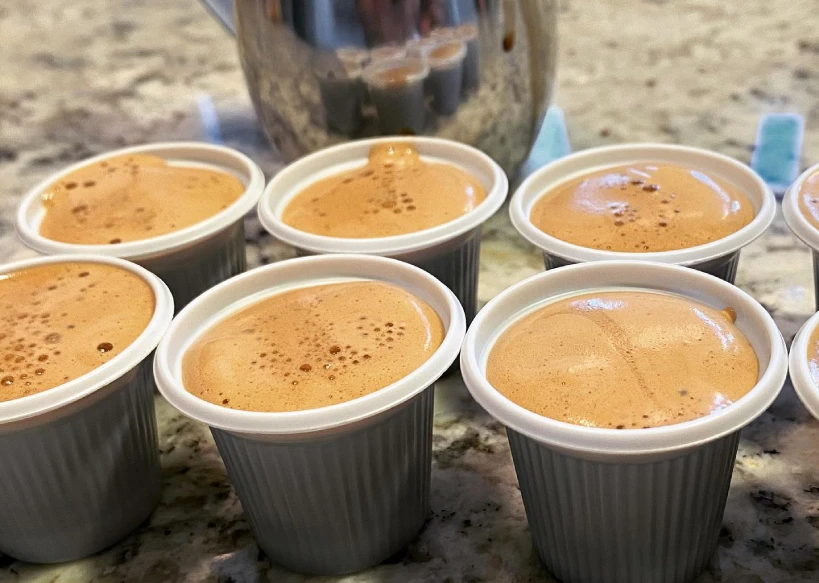
Cuban coffee is also known by its Spanish name, Café Cubano, or as a cafecito, which literally translates to “small coffee.” It consists of a shot of espresso sweetened with a rich sugar foam, often enjoyed as a dessert beverage.
Sound delicious? This step-by-step guide will walk you through how to make the best Cuban coffee at home.
How Is Traditional Cuban Coffee Made?
Like much of Cuban culture, the nation’s coffee scene was largely shaped by the United States’ embargo in 1960 (1). To supplement scarce coffee rations, the government concocted a unique blend of coffee, roasted beans, and roasted chickpeas. This incredibly bitter brew formed the basis for Cubans’ current love of heavily sweetened, super dark roast coffee. (2).
Though the Café Cubano arose from humble roots, it’s now served in top cafés worldwide, as well as being a delectable and simple treat to make at home.
Cuban Coffee Ingredients
- 25 grams finely ground coffee
- ¼ cup of sugar
- 6-cup Moka pot
- Small whisk or fork
- Four small serving glass, such as cortado or espresso cups
AT A GLANCE
TIME
10 – 15 minutes
YIELD
4 servings
What kind of coffee is used for Cuban coffee?
Cuban coffee is typically made with very dark roast beans, often a blend of Arabica and Robusta beans. These blends are inherently quite bitter, so they are perfectly balanced by the sugar in the drink.
The most popular coffee brands to use in Cuba are Café Bustelo, Cafe La Llave, and Cafe Pilon, but feel free to use your favorite dark roast or check out our picks for the best dark roast coffees.
What is the sugar paste in Cuban coffee?
You can use either white or brown sugar in your Cuban coffee. White sugar has a cleaner taste, so you’ll get more coffee flavor. Brown or demerara sugar, which is more popular in Cuba, yields a thicker foam and a sweeter drink with more of a molasses flavor.
Can you make Cuban coffee without a machine?
Using a Moka pot, also known as a stovetop espresso maker, is the most popular way to make Cuban coffee in Cuba, and I think it’s the easiest and best way to replicate this drink at home.
If you don’t have a 6-cup Moka pot, you can use any brewing method that makes 12 ounces of very strong coffee, such as an Aeropress, French press, espresso machine, drip coffee maker with a Bold setting, or even a Vietnamese phin brewer.
How To Make Cuban Coffee Step By Step
Follow the steps below to enjoy a Cafe Cubano in the comfort of your own home. I bet you’ll be surprised by how easy it is to make something so delicious – no fancy equipment or specialty ingredients required.
Step 1: Brew The Coffee
Moka pots have a reputation for burnt-tasting coffee, but this is easily avoided with the proper technique.
Fill the bottom chamber with water to just below the safety valve. Add the filter basket, and pack it with fine coffee grounds. There is no need to tamp. Screw on the upper chamber.
Set the device on the stove top over medium-low and wait until you hear the characteristic gurgle. Remove the brewer from the heat as soon as you hear the gurgle to avoid over-cooking your coffee.
Pro tip: I like to make coffee with the lid of my Moka pot open, so I can remove it from the heat as soon as I see coffee start to flow into the upper chamber. This further minimizes any burnt flavors, but it’s less important for the heavily sweetened Cuban coffee.
Step 2: Prepare The Espuma
The espuma (also sometimes called the espumita) is the sugar foam that characterizes this unique drink. Espuma is the Spanish word for foam. While it looks a bit like the crema on a traditional espresso, it tastes far sweeter.
The espuma is created by whipping coffee and sugar together – similar to the principle behind the Dalgona coffee craze of 2020 (3). In this case, you’ll be looking for more of a thick, frothy syrup.
Put the ¼ cup of sugar in a bowl or glass measuring cup and add one tablespoon of the brewed coffee into the sugar. Beat the sugar and coffee mixture vigorously until you’ve incorporated enough air to produce a foamy syrup. If it feels too dry, add a few more drops of coffee at a time.
The exact amount of coffee varies depending on your sugar and even the humidity in your house. So this step might take some trial and error at first.
Pro tip: If you’re serving fewer people, you can use a smaller Moka pot and scale the sugar quantity accordingly. However, if your sugar quantity is too low, it’s more challenging to whip effectively. So I recommend making at least two servings at a time.
Step 3: Assemble The Drink
Add the remaining coffee from the Moka pot to the bowl or measuring cup, and stir it gently through the espuma. Divide the finished product between four demitasse cups, and serve immediately.
Cubans often enjoy the Café Cubano as a sweet finish to lunch or dinner rather than as a breakfast drink. In the morning, Cubans are more likely to enjoy a traditional café con leche, an unsweetened shot of Cuban espresso topped with steamed milk.
Pro tip: As with any hot coffee drink, pre-heat your serving glasses for best results. This is especially important for small drinks like the cafecito because the small volume of liquid cools very quickly when it hits a cold glass.
Final Thoughts
Brewing a traditional Cuban coffee is a fun and easy way to try a new espresso-style drink. Because it arose during Cuba’s isolation, you don’t need any special equipment or fancy coffee beans. In fact, a slightly bitter brew is the best way to balance the heavy sugar content.
The sweet and creamy result is the perfect way to end any meal. Give this Cuban coffee recipe a try today, and let me know what you think in the comments below!
FAQs
The main difference between regular coffee and Cuban coffee is the inclusion of the sweet and foamy espuma. To counterbalance the sweetness of the espuma, Cuban coffee is brewed very strong and usually using slightly bitter darker roast beans.
Yes, you can make Cuban coffee with instant coffee, though it won’t have quite the same flavor or body as a perfect Cuban coffee made with fresh grounds. Rather than brew espresso coffee with the Moka pot, simply combine 3 teaspoons of instant coffee granules with 12 ounces of 200-degree Fahrenheit water.
No, you can’t make Cuban coffee with Stevia if you want it to resemble authentic Cuban coffee. For one thing, Stevia is much sweeter than sugar, so you need much less of it – which means you can’t make a proper espuma foam. For another, even though Stevia and sugar are both sweet, they have different flavor profiles, so a Setvia-sweetened brew won’t taste quite right.
A cortadito is a Cuban espresso shot sweetened with sugar and topped with an equal amount of steamed milk, sort of like a sweet version of the Cuban cafe con leche. You can also think of it as smaller, sweeter version of the Spanish Cortado.
Check out this recipe for how to make a cortadito coffee if you want to try it at home.
References
- Cavallo, C. (2016, February 25). Why People in Havana Are so Crazy for Their Coffee. Retrieved from https://www.saveur.com/cuban-coffee-culture/
- DUNIA Mag. (2017, March 12). Cuba Has a Rich Coffee Culture – 3 Significances. Retrieved from https://duniamagazine.com/2017/03/cuba-has-a-rich-coffee-culture/
- Tian, J. (2020, May 11). Dalgona coffee explained: The science behind why instant coffee foams. Retrieved from https://blog.scienceborealis.ca/dalgona-coffee-explained-the-science-behind-why-instant-coffee-foams/
