
WHAT ARE THE BEST DECAF COFFEES IN 2024? WE TESTED A BUNCH
Our picks for best decaf coffees are from brands like Volcanica, Coffee Bros. and Trade Coffee.

Photo: Home Brews Coffee
What’s the point of decaf? For many of us, coffee is more than just an energy drink. In fact, I’m a big fan of coffee without caffeine! The best whole bean decaf coffee means I can enjoy the ritual, aroma, and flavor of a delicious brew – as much as I want and any time of day.
Decaffeinated coffee might have a bad reputation, but that’s a holdover from another era. The days of bland decaf are over.
I tasted as much decaf as I could get my hands on for this review, looking for brands treating decaf with the same respect as caffeinated beans. Here are 7 amazing options with all the flavor and none of the jitters.
How I Tested The Best Decaf Coffees
Compared to my taste test for the best coffee beans, sampling dozens of decafs was a piece of cake. I could brew and taste all the coffees I ordered without fear of caffeine overdose.
I first prepared every coffee using a quality drip coffee machine. I used whole beans and ground them with a burr grinder right before brewing. Coffees were scored subjectively based on taste, aroma, and mouthfeel. And I noted how soon after roasting they were shipped – an important but often overlooked criterion when buying online.

Photo: Julia Bobak
I also brewed each coffee a second time using whatever brewing method I thought was most suitable, including an espresso machine, an Aeropress, and a pour over dripper. These brews were shared with friends, family, and colleagues. I wanted to get a range of opinions from coffee drinkers with different tastes and levels of coffee experience. So rest assured, this isn’t just a list of my personal favorites.
The 7 Best Decaf Coffees Of 2023
| image | product | details | |
|---|---|---|---|
|
Volcanica House Blend Decaf |
|
|
|
Coffee Bros Decaf Roast Coffee |
|
|
|
Kicking Horse Decaf Coffee |
|
|
|
|
Irving Farm Decaf Blackstrap |
|
|
|
Peet’s Decaf Mocca-Java |
|
|
|
Out of the Grey Kenyan AA |
|
|
|
Lifeboost Hazelnut Decaf |
|



For the top decaf coffees available this year, I’ve highlighted a variety of flavor profiles so you can find (at least) one that suits your taste. There are light, medium, and dark roasts; single origins and blends; and even a pick for decaf espresso lovers!
Without further ado, here are seven brands doing decaf right.
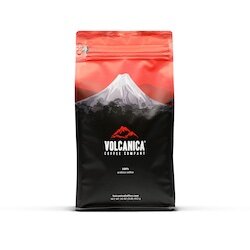
1. Volcanica House Blend Decaf
Roast: Medium
- Beans: Arabica
- Origin: South and Central America
- Tasting notes: Sweet, bold
- Process: Swiss Water
I chose the House Blend Decaf from Volcanica Coffee as the best decaffeinated coffee overall. It’s not the most exciting or exotic option, but it’s the coffee no one disliked.
With its robust flavors of chocolate and caramel, every taster gave positive feedback on this brew. In fact, not one person noticed it was decaf!
Volcanica is a family-run coffee company focused on sourcing specialty beans from the world’s best growing regions. This guiding principle makes them an ideal roaster for blends like the House Decaf, as they have a huge stockpile of great coffee to choose from.
This balanced medium roast blend is exceptionally versatile, suited to every brewing method from espresso to pour over. I’d happily use it for iced coffee or cold brew in summer.
Volcanica beans are roasted (and ground, if desired) to order and shipped the same day. Mine arrived wonderfully fresh within 3 days of roasting. I appreciate that they sell their coffee by the pound, making their affordable prices even more reasonable compared to the 12-ounce bags offered by most specialty roasters.
2. Coffee Bros Decaf Roast Coffee
Roast: Medium
- Beans: Arabica (Castillo)
- Origin: Colombia
- Tasting notes: Graham crackers, semi-sweet chocolate
- Process: Ethyl Acetate
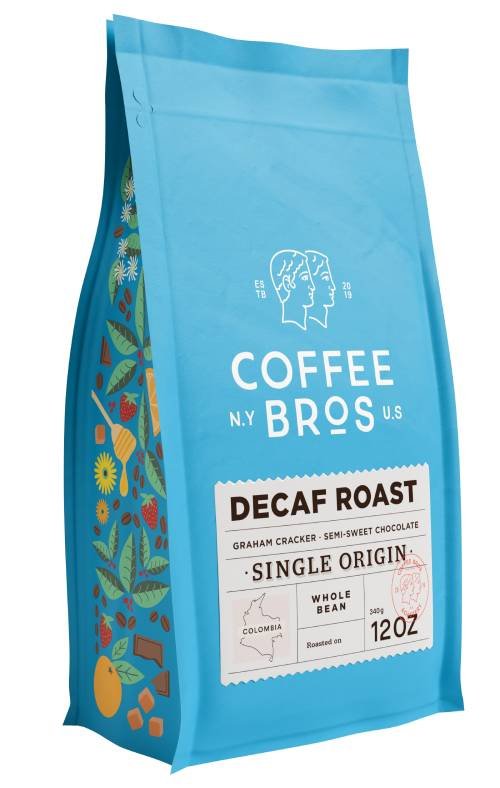
If my top pick was the decaf for everyone, this compelling cup from Coffee Bros is the decaf for specialty coffee fans. It’s as nuanced and complex as any caffeinated Colombian single origin I’ve tried.
The roast looks to me to be on the lighter side of medium, which I suspect is why this coffee has so much character. I tasted plenty of juicy fruit notes and a pleasant apple acidity along with the dominant sweet chocolate and spice flavors.
This is one of those cups of coffee you want to keep drinking because each sip is a new experience, with new flavors emerging as it cools.
Medium roasts are generally quite versatile, and this coffee is excellent brewed with a French press, Aeropress, or drip coffee maker. But my pick would be a pour over dripper like the V60 or Chemex to really bring out its subtleties, and try it black before adding any cream or sugar.
Note that Coffee Bros. only sells whole bean coffee, so make sure you have a burr grinder handy if you order these beans.
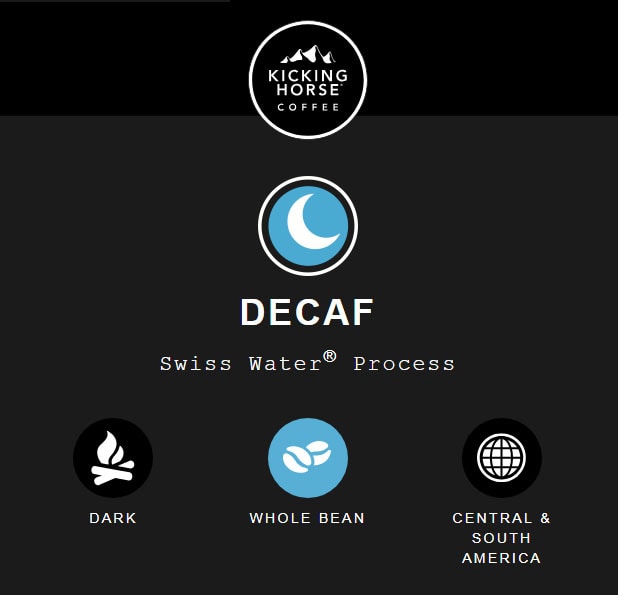
3. Kicking Horse Decaf Coffee
Roast: Dark
- Beans: Arabica
- Origin: Central and South America
- Tasting notes: Roasted hazelnuts, chocolate
- Process: Swiss Water
Like many longtime Kicking Horse fans, I was concerned when the roaster was acquired by Lavazza a few years ago (1). But I’m happy to tell you that their high-quality coffee remains unchanged. The influx of cash simply allowed them to improve operations while keeping consumer costs low, making the Kicking Horse Decaf the most affordable pick on this list.
The Decaf is the decaffeinated version of the brand’s popular Grizzly Claw coffee, a blend of Central and South American Arabica beans. I actually prefer the decaf version. It has a slightly darker roast, bringing the chocolate flavor to the forefront. And the aroma is something else! I brewed it at the office and had everyone salivating.
This classic dark roast coffee has bold flavors and a robust body. My preference is to brew it with a French press, but it also makes a tasty espresso shot or basis for a decaf cappuccino.Kicking Horse Coffee is known for their focus on sustainable practices. Like all their coffee, the Kicking Horse Decaf is certified Organic and Fair Trade.
4. Irving Farm Decaf Blackstrap
Roast: Medium-dark
- Beans: Arabica
- Origin: n/a
- Tasting notes: Maple, barley, golden raisin
- Process: Swiss Water
I typically prefer espresso to brewed coffee, so this Irving Farm pick is a personal favorite. Espresso fans know how easy it is to quickly down a shot or four – and the jittery consequences that await. That’s why I keep the Blackstrap Decaf blend on hand for making decaf espresso.
Blackstrap has long been the roaster’s house espresso, and the beans are best sellers for home brewers. So it’s no surprise that the decaffeinated version is exceptional.
I love that the flavor profile strays from the classic chocolate of many espresso blends. Instead, it highlights the nutty and earthy flavors of toasted cereals, balanced by a rich caramel sweetness and the gentle brightness of dried fruit.
An espresso machine showcases this coffee at its best, delivering a bold and full-bodied brew, but I also enjoyed it from the drip machine. In either case, it’s incredibly smooth with little acidity or bitterness.
My favorite thing to do with this coffee is make an after-dinner mocha. I’ll pull a shot of decaf espresso, stir in some chocolate syrup, then top the whole thing with steamed milk. It’s perfectly warm and soothing and doesn’t keep me up half the night!
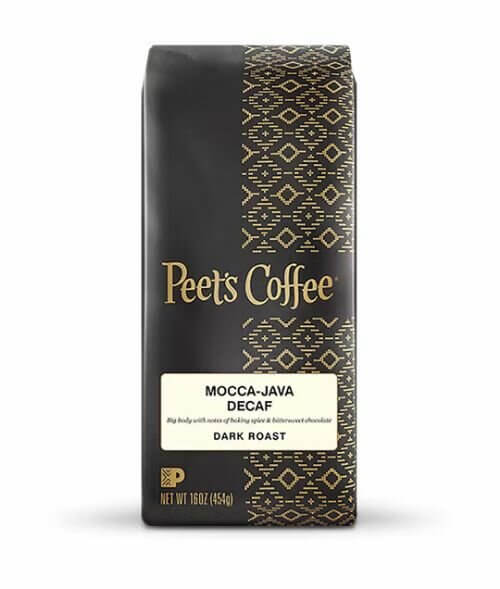
5. Peet’s Decaf Mocca-Java
Roast: Dark
- Beans: Arabica
- Origin: Ethiopia, Indonesia
- Tasting notes: Spice, bittersweet chocolate
- Process: Swiss Water
Mocca-Java is the original coffee blend, and in my opinion, it’s still one of the best – combining a bright and fruity coffee with a dark and earthy one. The original paired Yemeni and Indonesian beans. But these days, the combination of Ethiopia and Indonesia is more common, as in this Mocca-Java blend from Peet’s.
Peet’s Coffee is known for its signature blends, so I wasn’t surprised that their Mocca-Java was incredible. I was, however, surprised to find they offer a decaf version that is just as compelling as the original. This is a decaf coffee that tastes like the real thing.
With just two origins, this delicious coffee has more character than a typical balanced dark roast blend. While it’s great brewed with classic dark roast brewing methods like a French press or Moka pot, my pro tip is to brew it as a pour over or slow-drip cold brew to highlight the flavor complexity. I tasted the expected dark chocolate but also noted subtle notes of ripe berries and spice in the aftertaste.
Peet’s beans are roasted to order and shipped the same day, so you’re guaranteed fresh coffee. You can choose whole beans or ground coffee.
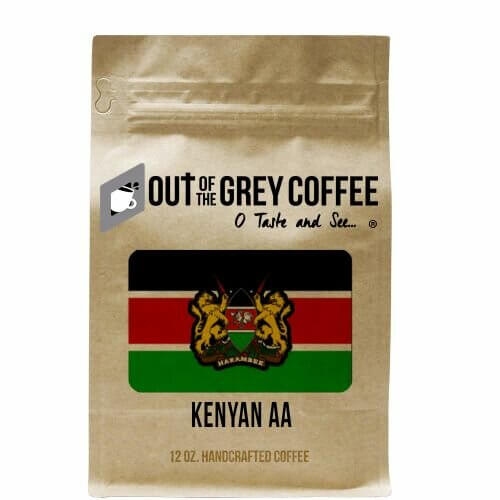
6. Out of the Grey Kenyan AA
Roast: Medium-dark
- Beans: Arabica
- Origin: Kenya
- Tasting notes: Blackcurrant, fennel, black tea, menthol, floral
- Process: Swiss Water
Out of the Grey is one of the rare brands that offers many of their best regular coffees as decaffeinated options. They have a huge and appealing selection, including blends, specialty single origins, and flavored coffees. My current favorite is the Kenya AA.
Kenya is renowned as one of the world’s top growing regions, known for tea-like flavors, floral aromas, and a unique winey acidity. Kenyan coffee is not subtle; it should pack a punch. So I was thrilled to find this decaf version wasn’t pulling any punches – so to speak.
Roasted to the darker end of medium, I thought the extra caramelization enhanced rather than masked the flavors of this rich coffee. This medium-bodied brew has all the bold, overlapping, and exciting flavors I want in Kenyan coffee.
I tasted sweet blackcurrant with subtle notes of fennel, black tea, and menthol. It was rounded out by a delicate floral aroma and bright lemon acidity. I recommend drinking this as black coffee for the full experience.
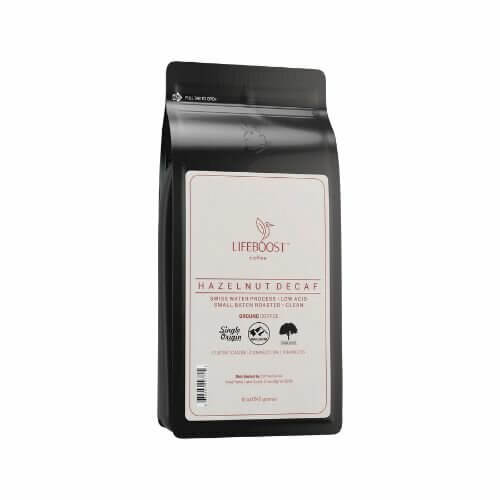
7. Lifeboost Light Decaf
Roast: Light
- Beans: Arabica
- Origin: Nicaragua
- Tasting notes: Cane sugar, vanilla, citrus
- Process: Swiss Water
Lifeboost Coffee is a favorite brand at Home Brews Coffee due to its commitment to health and sustainability. All Lifeboost coffee is certified organic, low-acid, non-GMO, and tested free of mycotoxins and pesticides. But I’m more excited about the flavor.
A good light roast decaf is tricky. Decaffeination inevitably removes some flavor from the green coffee beans; a bolder roast is one way to put it back. To pull off a flavorful light roast decaf, you need great beans and a talented head roaster. Lifeboost has both.
The Lifeboost Decaf starts with single-origin shade-grown Arabica beans sourced from high-altitude farms in Nicaragua, and the green beans are decaffeinated using the Swiss Water process.
To my taste, the roast is on the darker end of light, but it’s still the lightest on this list. It’s relatively low in acidity compared to most lighter roasts. I tasted just a hint of bright citrus, while sweet and floral flavors dominated.
That said, I’d steer clear of the espresso machine or Moka pot with this coffee at home unless you’re an expert barista. It’s too easy to make something intensely sour. Instead, stick with slower brewing methods like pour over or immersion cold brewing.
What You Need To Know When Buying Decaf Coffee
Choosing the best decaf isn’t that different from buying any good coffee. The key things to consider are the flavor profile, the quality and freshness of the beans, your preferred brewing method, and your budget.
Here are a few things to know about decaf beans in particular.
How Much Caffeine Is There In Decaf?
Decaf coffee is any coffee that has been processed to remove the caffeine that naturally occurs in the coffee bean. The decaffeination process is done at the green bean stage. After that, the beans are roasted as usual.
To be sold as decaf, a coffee must contain at least 97% less caffeine than caffeinated coffee.
It’s important to note that there is no utterly caffeine-free coffee. If you want to avoid caffeine altogether, consider coffee alternatives like herbal tea, mushroom coffee, or chicory.
Related: What is Caffeine?
Why Drink Decaf?
Drinking decaffeinated coffee is perfect for any coffee lover who wants the taste and benefits of regular coffee but needs to restrict their caffeine intake. This includes pregnant women, children, and people with heart conditions, anxiety, insomnia, or irritable bowel syndrome.
The only difference between decaf and regular coffee is that decaf won’t give you an energy boost. Otherwise, the two types of coffee share many of the same health benefits, including reduced risk of cancer and heart disease, and are a good source of antioxidants.
Does Decaf Taste Different?
Any process a coffee goes through changes its flavor to a certain extent, but decaf today is much better than in the past. This is partially due to improved decaffeination processes, like the Swiss Water Process. It can also be credited to better-quality roasting. A skilled roaster knows how to source the best decaf beans and roast them to optimize their flavor (2).
“To snub a fine coffee for lack of caffeine is to completely miss the point of all the efforts that went into making it an enjoyable culinary experience.”
So while the decaf version of a coffee may taste different than its caffeinated equivalent, there is no reason it should taste worse.
How Is Caffeine Removed From Coffee?
There are four methods for removing caffeine from coffee. They are:
- Indirect Solvent Method (Methylene-Chloride)
- Direct Solvent Method (Ethyl-Acetate)
- Carbon Dioxide Method
- Swiss Water Method
In every case, the goal is to remove as much caffeine as possible while leaving coffee’s thousands of other flavor chemicals intact.
If you want to know more about the science, read our guide to how coffee is decaffeinated.
Which decaf coffee does not use chemicals?
The Swiss Water and Carbon Dioxide methods are both chemical-free. The Swiss Water method is more common among specialty coffee roasters. It’s more affordable for small-batch roasting and removes upwards of 99% of caffeine without substantially impacting coffee flavor.
If you are concerned about chemical processing, ensure that your coffee comes explicitly from Swiss Water process brands, rather than those that claim it’s done by “pure” or “natural” processing (3).
Some products were labeled as “Pure” but testing by an independent lab revealed quantifiable amounts of the toxic chemical methylene chloride. – Clean Label Project
Additionally, the Swiss Water decaffeination method is a certified organic process.
What are the best decaffeinated coffee pods?
The best decaffeinated coffee pods come from brands that prepare them fresh to order. The fatal flaw of pod coffee is that it’s usually stale. Check out Lifeboost’s Medium Roast Decaf Pods for a great example. They also made half-caff pods for a mild caffeine boost.
What is the best decaf instant coffee?
The best decaf instant coffee is a matter of personal taste. My favorite is the Latitude Decaf from 49th Parallel, but it’s specialty coffee and doesn’t come cheap. For more affordable options, check out the Colombian Medium Roast Decaf from Waka Coffee or the Starbucks Via Decaf Italian Roast. You may also be interested in our review of the best instant coffees.
The Verdict
Thanks to advances in chemical-free processing and the commitment of quality coffee brands, it’s now easy to find and enjoy delicious decaf coffee. If you’re looking for decaf coffee, every option on this list delivers when it comes to freshness and flavor.
But if you can only pick one, I suggest the crowd-pleasing House Blend Decaf from Volcanica Coffee. Roasted to order and with sweet flavors of chocolate and caramel, it’s the perfect demonstration that you don’t have to compromise on quality just because you’re skipping the caffeine.
FAQs
No, decaf coffee is not healthier than normal coffee unless you are particularly sensitive to caffeine. Certain health benefits of coffee, like the prevention of Alzheimer’s and Parkinson’s diseases, are associated with its amount of caffeine (4). However, decaf coffee contains antioxidants, vitamins, and minerals just like regular coffee, so it is still a healthy choice.
Yes, decaf coffee is anti-inflammatory. Research has shown that decaf drinkers enjoy the same anti-inflammatory effects as regular coffee drinkers (5).
Swiss Water decaffeinated coffee is made without any chemicals, relying on osmosis and solubility to remove caffeine. First, the coffee beans are soaked in water to extract both caffeine and flavor chemicals. This green coffee extract is filtered to remove the caffeine, leaving only the flavor-filled water. This water is then reused to remove the caffeine from a fresh set of beans.
