
BEST LIGHT ROAST COFFEE: OUR FAVORITE PICKS FOR 2026
My picks for the best light roast coffee rely on established Third-wave brands like Coffee Bros, Volcanica, Driftaway and Trade. But it is up to you find the coffee that suits your taste buds.

Photo: Julia Bobak
Recent years have found light roast coffee beans growing in popularity. Rather than hiding behind the dark and toasted flavors and aromas of the roasting, light roasts let the beans’ natural characteristics shine through; no wonder the consumers are developing a taste for their bright acidity and mild body.
At A Glance:
- OUT TOP PICK: COFFEE BROS ETHIOPIAN HAMASHO
- BEST SPECIALTY COFFEE VOLCANICA’S KENYA AA
- BEST FOR COLD BREW: DRIFTAWAY COFFEE
If you’re looking for great beans that showcase these characteristics, read on for our top picks for the best light roast coffee this year.
The 7 Best Light Roast Coffee Beans in 2026
| IMAGE | PRODUCT | DETAILS | |
|---|---|---|---|
|
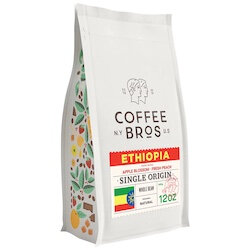
Coffee Bros. Ethiopia Hamasho |
|
 CHECK PRICE
|
|
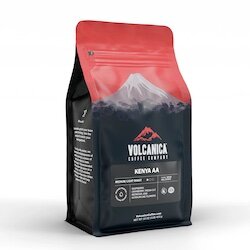
Volcanica Kenya AA Coffee |
|
 GET 10% OFF
|
|
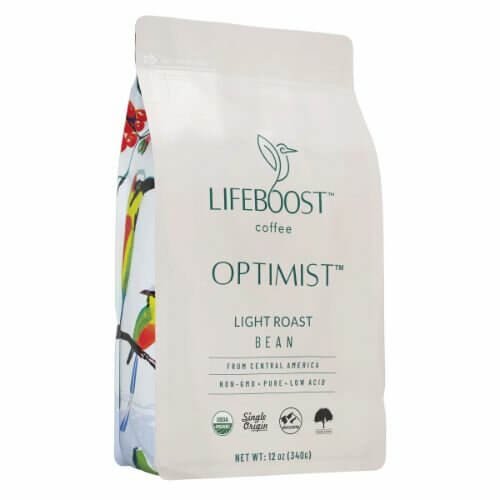
Lifeboost Coffee, Light Roast |
|
 GET 20% OFF
|
|
Driftaway Coffee Nicaragua Finca La Bendición |
|
 check price
|
|
Peet’s Coffee Costa Rica Aurora |
|
 check price
|
|
Dune Zip Zinger |
|
 check price
|
|
Fresh Roasted Coffee LLC, Ethiopian Sidamo Guji Coffee |
|
 CHECK PRICE
|
First off, what makes coffee light roast? Simple. The answer lies in the length of the roasting process. Light roasted coffee beans are roasted for a shorter period of time. But what makes light roasted coffee beans great for making real good coffee?
With their ability to showcase the nuances of a coffee’s flavor, light roasts have been growing in popularity. With so many on the market, from single acidic origins to mellow blends, it can be hard to choose the right one, so here are seven great options of the best mild coffee brands we picked for you.
Note: This guide will focus on light roasted coffee only. For other great coffee beans read our guide to world’s finest coffee beans here.
1. Coffee Bros. Ethiopia Hamasho
Certifications: Kosher, Direct Trade
- Ground or whole bean: Whole Bean
- Origin: Sidama, Ethiopia
- Varietal: Ethiopian Heirloom
Ethiopia is well-known as the birthplace of Arabica coffee. But it’s not just historically important; it continues to produce much of the world’s best specialty coffee. Thanks to its ideal growing conditions, there are thousands of Arabica varietals found exclusively in Ethiopia. The term Ethiopia Heirloom is a catch-all because there are simply too many to classify.
This particular microlot coffee from Coffee Bros. is an excellent example of the most sought-after Ethiopian flavor profiles. The best Ethiopian beans showcase bright fruit and floral flavors and vibrant acidity, a combination perfectly highlighted by a lighter roast. This coffee is naturally processed to bring out its inherent sweetness – something we definitely noted in the cup.
We loved this flavorful light roast brewed with a pour-over dripper, with team members noting flavors of stone fruits, honey, caramel, red currant, and a punchy apple acidity. It’s one of those coffees you just want to keep drinking because every sip reveals something new. If you typically add milk or sugar to your coffee, try drinking this one black first. The intensity of flavor might surprise you!
2. Volcanica Kenya AA Coffee
Certifications: Kosher, Rainforest Alliance
- Ground or whole bean: Either
- Origin: Kenya
- Varietal: Arabica
Volcanica Coffee roaster sources exotic beans from volcanic regions. Volcanic soil is rich in minerals, which results in aromatic and flavorful coffee. Volcanica has over 150 different coffees, and our favorite medium/light roast is Kenya AA coffee.
Volcanica Kenya AA coffee is sourced from the Nyeri Hill Estate, located 1,900 to 2,000 meters high. This farm has some of the most exotic coffee varieties. Their Kenya AA is extraordinary coffee that embodies all the best things of Kenyan coffee production. The coffee is carefully handpicked, the coffee’s cherry skin is peeled off, and the beans are soaked in the tank, which loosens the surface residue. The beans are then dried in the sun, which forms a thin layer that’s easily removed later.
The process is finalized by careful roasting that brings out the notes of bright acidity, raspberry and hibiscus, and hints of tomato soup. This light roast is a great choice if you want to experience the excellence of Kenyan coffee.
3. Lifeboost Organic Light Roast Coffee
Certifications: Fair Trade, Organic, Mycotoxin free, Kosher
- Ground or whole bean: Whole bean coffee
- Origin: Nicaragua
- Varietal: Arabica
Lifeboost Coffee was founded by nutrition expert Dr. Charles Livingston to deliver delicious coffee with a nutritional boost. He achieved this through a commitment to sourcing only the top quality coffee, with just 0.5% of beans grown worldwide, meeting their stringent standards.
This brand’s medium roast variant made it to Home Brews Coffee’ list of the best medium roast coffee bean brands, and their light roast option is equally great. This organic light roast consists of quality arabica coffee beans from the mountains of Nicaragua. They’re organically grown in the shade of guava trees on a small plantation located at 5,700 feet on the slopes of Mt. Kilambe.
The beans are hand-picked, sun-dried, and washed in spring water to preserve the purity of the coffee throughout the process. As a result, they are third-party certified to be free from mycotoxins, potentially harmful toxins in low quantities in most coffee beans, notably lower quality ones.
The result is a bright coffee with a medium body that is low in acid for a light roast, making it exceptionally smooth and easy drinking.
The dominant flavor profile is nutty, with undercurrents of caramel sweetness. Vibrant aromas of vanilla and hazelnut accompany such features. It’s so good that we can’t help but call it our best light roast ground coffee brand.
We’ve also reviewed Lifeboost coffee in one of our video reviews. Check it out here:
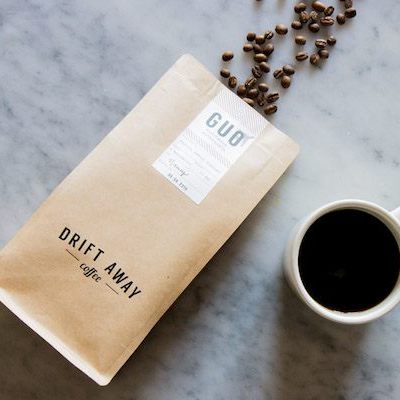
4. Driftaway Coffee Nicaragua Finca La Bendicion
Certifications: Kosher, Direct Trade
- Ground or whole bean: Ground
- Origins: Nicaragua
- Varietals: Pacamara
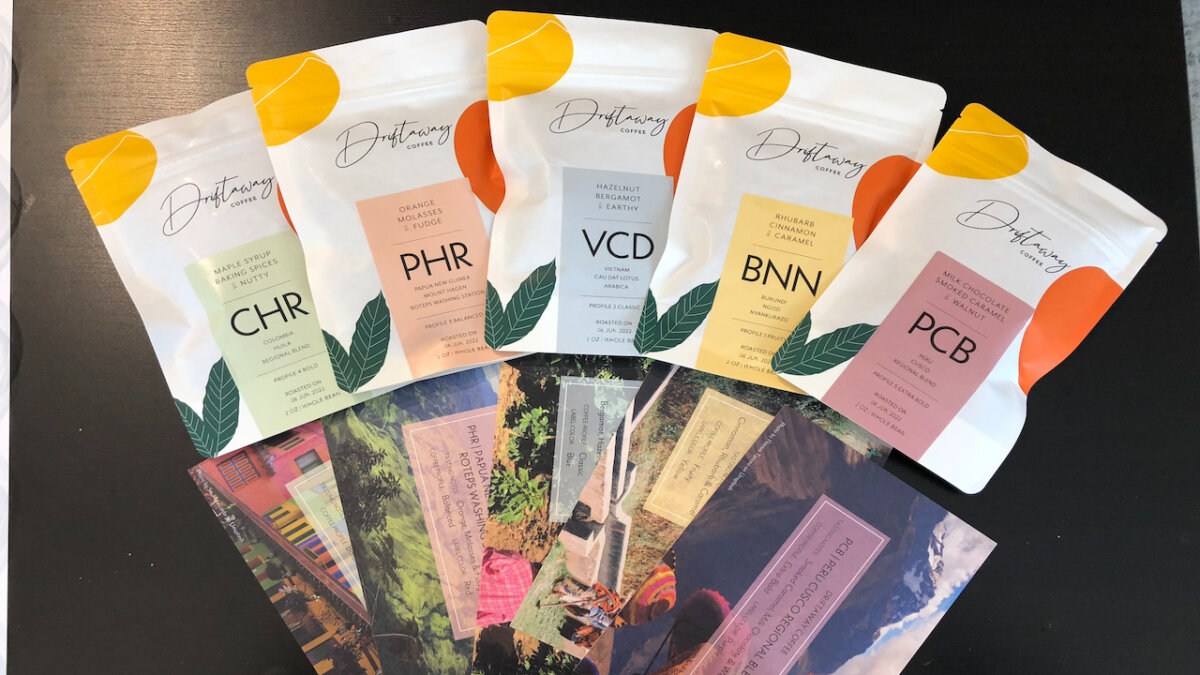
Driftaway has long been one of our favorite subscription services, known for its ethical sourcing and premium quality single-origin coffee. Recently, they’ve started offering cold brew blends, and to no one’s surprise, they’re just as impressive as their single-origin beans. The blends are available as individual bags or as a subscription.
Finca La Bendicion is a light roast single origin coffee with a bright flavor profile, featuring juicy notes of strawberry and pink grapefruit. It was produced on the award-winning farm of Luis Alberto Balladarez, who is well known for his experimental processing techniques and the uniquely stunning coffees they produce. The coffee arrives coarsely ground, perfect for slow steeping cold brew.
Transparency has always been a hallmark of the Driftaway brand. For each coffee, you can learn not only the producer’s story but also precisely how much Driftaway paid them per pound – and how that stacks up against Fair Trade requirements. In the case of this blend, producers in both regions were paid well over Fair Trade prices. So you can enjoy your cold brew knowing you’re supporting a sustainable coffee industry.
5. Fresh Roasted Coffee Ethiopian Sidamo Guji Coffee
Certifications: Kosher
- Ground or whole bean: Whole bean coffee
- Origin: Ethiopia
- Varietal: Arabica
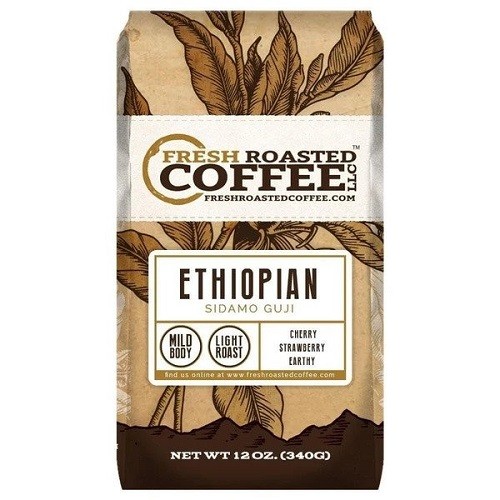
A top-of-the-line coffee bean from Ethiopia usually comes with a price tag to match. Still, the Ethiopian Sidamo Guji coffee from Fresh Roasted Coffee is the rare exception, making it our pick for the best value light roast whole bean coffee this year.
The growers choose their beans carefully and sustainably, considering origin, flavor profile, and quality. Afterward, they roast the beans in a specialty Loring Smart Roaster, which offers enhanced roasting precision while cutting carbon emissions by up to 80%.
Guji is in the Oromia coffee-growing region of Southern Ethiopia. This region is said to produce some of the highest quality coffees in the country. It features a dry climate and acidic soil that grows coffee beans renowned for its remarkable fruity flavors.
Sidamo Guji coffee is dominated by fruity and wine-like flavor notes, featuring cherry and strawberry, and the use of natural processing further enhances this. Expect a medium body, bright acidity, and an excellent earthy finish.
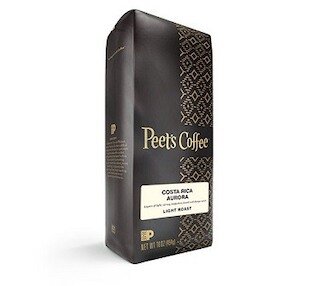
6. Peet’s Costa Rica Aurora
Certifications: Kosher
- Ground or whole bean: Whole bean
- Origin: Costa Rica and Kenya
- Varietal: Arabica
Founded over 50 years ago in the San Francisco Bay area, Peet’s Coffee is renowned for its signature blends. They’ve put their decades of experience to good use in crafting perfectly balanced flavors designed to showcase each roast.
Rather than tone down the inherent brightness of a light roast, their Cost Rica Aurora blend puts it front and center.
The first step in creating any blend is quality sourcing, and Peet’s works directly with farmers to ensure they are getting the top specialty coffee beans. They have even pioneered a Farmer Assistance program, which assists farmers who have the potential to grow specialty coffee but lack the techniques needed to do so.
This both expands Peet’s supply of high-grade beans and provides economic assistance in coffee-growing regions.
The Costa Rican beans in this blend are the highest quality Strictly Hard Fancy grade, sourced from the mountains of Tarrazu and Naranjo. They offer notes of clean, sweet citrus reminiscent of a lemon bar.
The flavor is with the addition of Kenyan beans, which deliver the deep, silky flavors of molasses, brown sugar, and blackcurrant for which the region is known.
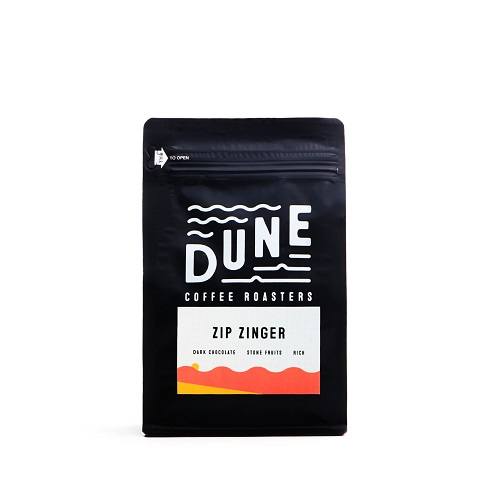
7. Dune Zip Zinger
Certifications: Kosher
- Ground or whole bean: Ground coffee
- Origin: Brazil, Ethiopia, Colombia
- Varietal: Arabica
Dune Coffee Roasters is a small-batch roaster based in Santa Barbara, California, and they know good coffee. So much so, one of their employees placed third in the 2018 United States Barista Championship (5).
The Zip Zinger is their signature light roast breakfast blend coffee, which they adjust seasonally to ensure it features only the freshest. This light roast ground coffee’s current mix consists of Brazillian, Ethiopian, and Colombian beans. Combined with both washed and naturally processed beans, the blend achieves a perfect balance of bright acidity with rich, darker undertones, yielding an incredibly versatile brew — a great choice for adventurous coffee lovers.
With dominant tasting notes of stone fruit, caramel, and chocolate, this is the rare light roast that shines on its own and is equally delicious with the addition of milk or cream.
You might even like it as an unusual and tasty espresso, with the familiar chocolate notes enhanced by the bright acidity and mellow sweetness.
How to Find the Best Light Roast Coffee Brands?
There’s a lot to consider when choosing the right light roasted coffee. What makes a brand of light roast coffee the best? Well, the answer is it depends. Do you want beans from a single region source or a blend? Arabica coffee beans or Robusta beans? Do you prefer 100% Arabica beans? How important is an organic or fair trade certification? Don’t worry, our buyer’s guide is here to walk you through it all.
P.S. If you want to understand the how’s of roasting coffee and how it affects flavor, you might want to know how to roast green coffee beans and learn about different coffee roasts here.
Bean Origin
The source region plays an important role to the quality and flavors of coffee beans. The climate, soil, growing conditions, and processing methods influence the flavors equally. This is particularly true of light roasts because, as compared with dark roast coffee, their flavors are less affected by the roasting process.
A bag of coffee beans can consist of all beans grown in the same area, known as single-origin, or of a mixture of beans from different regions, which is known as a blend. There are pros and cons to each style. In either case, if you have access to a good grinder, opt for the whole bean rather than pre-ground coffee. In this way, you can be sure you’re experiencing them as fresh as possible.
A great light roasted coffee is an excellent place to start if you’re interested in the flavors of a specific region.
In a blend, we use different beans to mellow out the overall flavor, making them more approachable and more consistent. In contrast, coffees from single regions are unique and exotic, showcasing the flavors and terroir of a specific area. Still, they can have sour notes or strong acidity that doesn’t appeal to every palate (1).
[Single origin coffee] flavour depicts its origin, possessing characteristics of that specific area where the particular coffee was grown.
Yet, if you’re looking for a light roast blend, they are often labeled as a breakfast blend.
Bean type
There are two commercially grown coffee bean types around the world, Arabica and Robusta. When buying light-roasted coffee, you almost certainly want to seek out Arabica beans (2).
Long regarded as the higher-quality bean, Arabicas make up about three-quarters of current commercial crops. Their prized reputation stems from their more pronounced acidity and a sweeter, softer taste, with tasting notes of sugar, fruit, and berries, all of which is perfectly highlighted in light roast coffees (3).
Light roasts retain more of the flavours of the coffee bean and this profile can emphasise floral and citrus notes.
In comparison, Robusta beans have a harsher, grain-like taste, with a nutty finish. They remain popular, particularly in instant coffee, because they can thrive at lower elevations and are more resistant to pests and weather fluctuations. They also contain twice as much caffeine as Arabicas and have garnered some fans as a result.
The most enjoyable coffee for sale today is Arabica, which is particularly true for light roasts. That said, some producers experiment with higher quality Robustas. These offer their nuanced flavors that appeal to some tasters’ palates and make an excellent addition to Arabica-Robusta blends. Rich and dark roast Robustas will balance the fruity and acidic Arabica.
Certifications
Shopping for the best light coffee by considering certifications is a socially conscious decision. Still, for light roast coffees, this is especially important as they draw the essence of their flavor from the coffee bean origin rather than the roasting process. Thus, the way coffee beans are grown, collected, and distributed is a determining factor in their quality and taste.
There are many certifications available to coffee beans these days, with different countries and special interest groups offering their own. So, it can be difficult for the consumer to determine the legitimacy of each.
Here are some of the most common certifications available and what they mean (4):
Organic
In the U.S., coffees are given the label USDA-certified Organic if they are grown in a way that supports biodiversity and enhances soil health by using only approved substances and organic farming methods. This is the kind of coffee that is good for the health and environment.
Fair Trade
Fair Trade is another American certification that ensures that coffee production includes social, environmental, and economic standards that protect the health of people and the Planet. Coffee farmers receive a fair price, community development projects, and establish long term working relationships with buyers. Similar practices might be labeled “ethically sourced” or “direct trade”.
Kosher
Kosher is a term used to describe food following the strict dietary standards of traditional Jewish law. Coffee naturally complies with Kosher standards, but a Kosher certification ensures that you are getting 100% coffee, with no additives or processing methods that might violate Kosher standards.
Rainforest Alliance
Coffees certified by the Rainforest Alliance take into account biodiversity conservation and community development, a combination that improves both environmental and socio-economic aspects of coffee growing regions.
The Verdict
Brewing light roasted beans is a great way to experience the inherent flavors of a coffee bean – its terroir, if you will. With their bright acidity and typical fruit and chocolate flavors, there’s a light roast out there to satisfy every coffee lover.
Our favorite this year is Coffee Bros. Ethiopia Hamasho, a stunningly flavorful microlot coffee from the homeland of Arabica coffee. With notes of ripe fruit, sweet caramel, and vibrant apple acidity, this delicious light roast coffee is sure to start your morning off on the right foot!
FAQs
Blonde coffee is not the same as light roast. A blonde roast is a new term that refers to a roast that is lighter than the typical light roast, though unfortunately, some companies use the term interchangeably.
Yes, light roast coffee is usually less bitter than dark roast coffee. However, the type of coffee bean and the method of preparation can also play a role in perceived bitterness and acidity of your drink. That said, light roast coffee beans are great for cold brew. These coffee beans are also great for pour over method but they are not quite ideal for French Press or espresso. If bitterness is a huge deal breaker, why not consider flavored coffee beans instead?
No, a light roast coffee is not inherently healthier than a dark roast. While some studies have claimed that light roasts have more antioxidants than dark roasts, (7), others have shown that dark roast coffees are better for reducing body weight and restoring red blood cell vitamin E and glutathione concentrations (8). In either case, effects are small, so you’re better off drinking a cup of coffee with delicious taste, which boosts your mental health.
No, it doesn’t have more caffeine than dark roasted coffee, though that is a common myth. The truth is that light roasted beans are simply denser. So if you measure by volume, rather than by weight, you will be brewing more coffee when you make a light roast, and thus getting more caffeine (9).
References
- Pipunic, A. (2015, September 14). Everything You Need To Know About SingleOrigin Coffees. Retrieved from https://perfectdailygrind.com/2015/09/everything-you-need-to-know-about-single-origin-coffee/
- Balwin, J. (2009, June 22). Arabica vs. Robusta: No Contest. Retrieved from https://www.theatlantic.com/health/archive/2009/06/arabica-vs-robusta-no-contest/19780/
- Riportella, K. (2019, October 9). How to Adjust Your Brewing Recipe for Coffee Roast Level. Retrieved from https://perfectdailygrind.com/2019/10/how-to-adjust-your-brewing-recipe-for-coffee-roast-level/
- Bradley, E. (2017, August 10). Coffee Certifications. Retrieved from https://freshcup.com/coffee-certifications/
- Forster, M. (2018, May 2). Kay Cheon’s Coffee Mastery. Retrieved from https://www.independent.com/2018/05/02/kay-cheons-coffee-mastery/
- What is Sugar Cane E. A. Decaf? (2017, August 30). Retrieved from https://speedwellcoffee.com/blogs/news/what-is-sugar-cane-e-a-decaf
- Bellomo, R. (2017, July 7). Why You Should Always Order Light Roast Coffee. Retrieved from https://www.delish.com/food-news/news/a54182/light-roast-coffee-health-benefits//
- Kotyczka C, Boettler U, Lang R, Stiebitz H, Bytof G, Lantz I, Hofmann T, Marko D, Somoza V. (2011, October). Dark roast coffee is more effective than light roast coffee in reducing body weight, and in restoring red blood cell vitamin E and glutathione concentrations in healthy volunteers. Retrieved from https://pubmed.ncbi.nlm.nih.gov/21809439/
- Kicking Horse Coffee. (n.d.). Caffeine Myths: Dark Vs. Light. Retrieved from https://www.kickinghorsecoffee.com/caffeine-myths-dark-vs-light
