
BEST COFFEE FOR COLD BREW: 7 TOP PICKS THAT ACTUALLY WORK
In this article, I’ll reveal my 7 favorite coffees for making cold brew after extensive taste testing. I’m certain you’ll find at least one that suits your palate!

It’s hard to beat the refreshing jolt of cold brew on a hot summer’s day. This brewing method yields a smooth and mild cup with low acidity and no bitterness, perfect for highlighting a coffee bean’s subtle flavors.
At A Glance:
- OUR TOP PICK: Atlas Cold Brew Subscription
- BUDGET PICK: Volcanica Coffee Cold Brew Blend
- BEST SINGLE ORIGIN: Out Of The Grey Honduras Comsa
Not all beans are created equal when it comes to brewing cold, so I’ve been exploring a huge variety – blends and single origins, light and dark roasts – to discover which flavor profiles benefit most from the treatment.
The 7 Best Coffee Beans For Cold Brew In 2026
| IMAGE | PRODUCT | DETAILS | |
|---|---|---|---|

|
Atlas Cold Brew Subscription |
|
 CHECK PRICE
|
|
Lifeboost Optimist Light Roast |
|
 CHECK PRICE
|
|
Peet’s Coffee Baridi Blend |
|
 CHECK PRICE
|
|
Stone Street Coffee Cold Brew Reserve |
|
 SEE ON AMAZON
|
|
Coffee Bros. Cold Brew Blend |
|
 CHECK PRICE
|
|
Out Of The Grey Honduras Comsa |
|
 CHECK PRICE
|
|
Volcanica Coffee Cold Brew Blend |
|
 CHECK PRICE
|
Here are eight coffees I highly recommend for making cold brew at home. I’ve chosen a selection that covers various flavor profiles and styles, so you’re sure to find the perfect beans for your taste.
1. Atlas Cold Brew Subscription
Roast: Varies
- Origin: Various single origins
- Tasting notes: Varies
- Grind: Ground or whole bean
A coffee subscription is an excellent way to explore different coffees and discover new favorites. Atlas has long been one of my favorites thanks to its focus on specialty single origins, so I was thrilled when it launched a Cold Brew Subscription.
Each month, you get a new coffee specifically chosen to be delicious brewed cold. You can select a preference for lighter or darker roast profiles or leave it in the hands of the experts at Atlas.
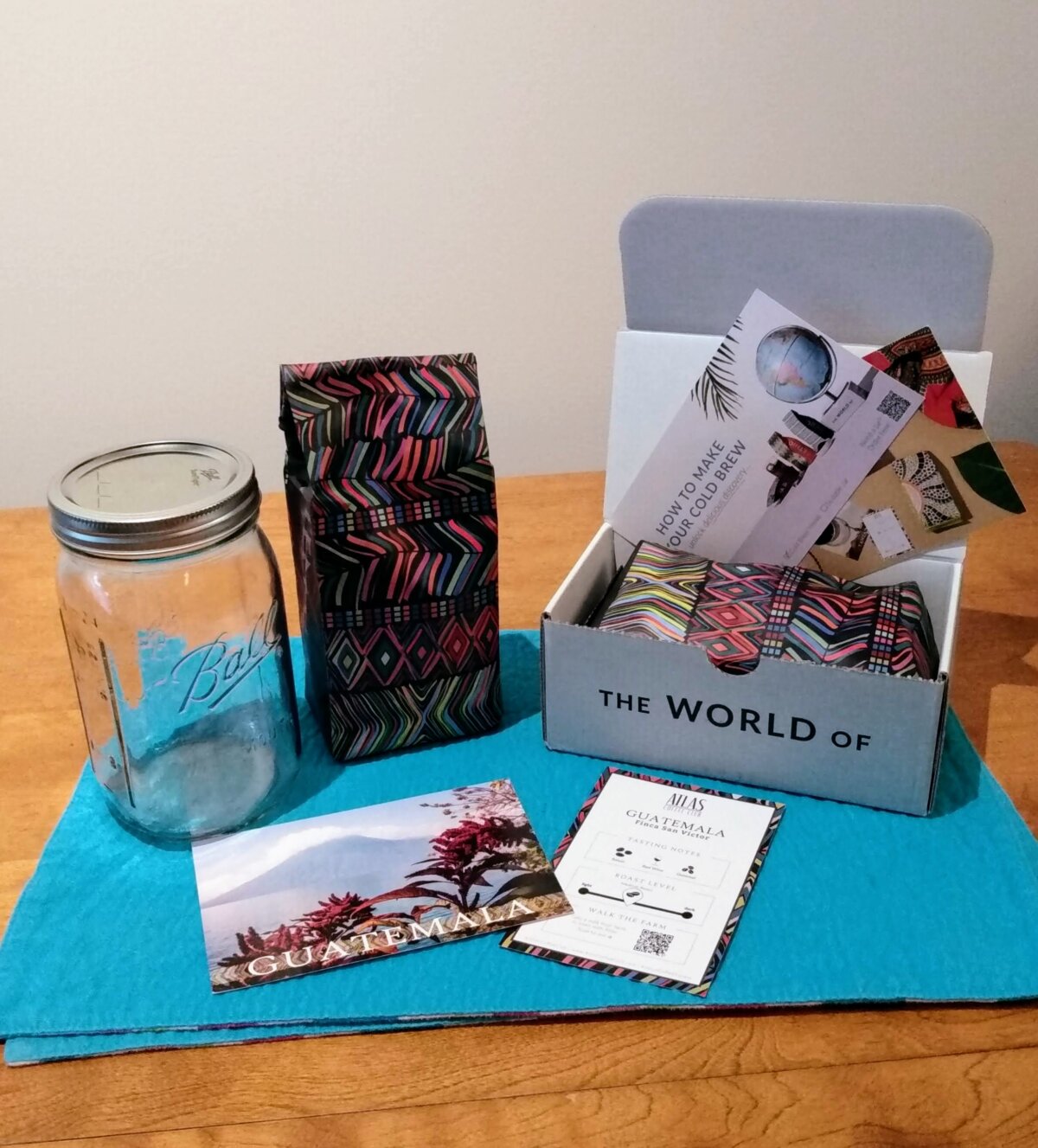
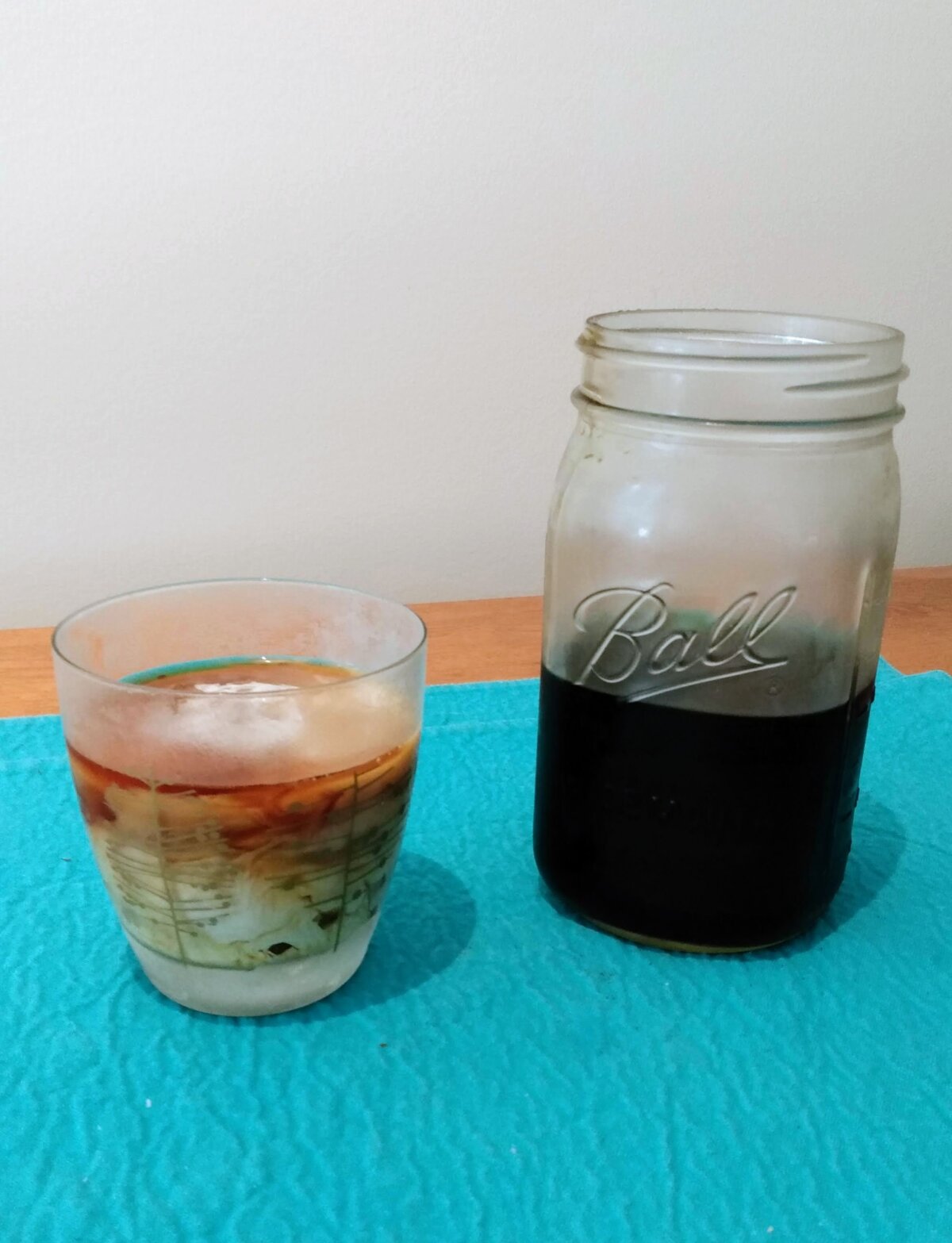
My first coffee was a balanced medium roast from Guatemala – along with a gorgeous postcard highlighting its growing region and flavor profiles. It was beautifully sweet with a syrupy body and flavors of honey, stone fruit, and nuts. A gentle winey acidity reminded me of a muted version of Kenyan coffee. I’m already excited for the next shipment!
Atlas has you covered if you don’t have a burr grinder or cold brew coffee maker. The coffee arrives ground to the perfect coarse size and accompanied by a set of filter bags. Just add water.
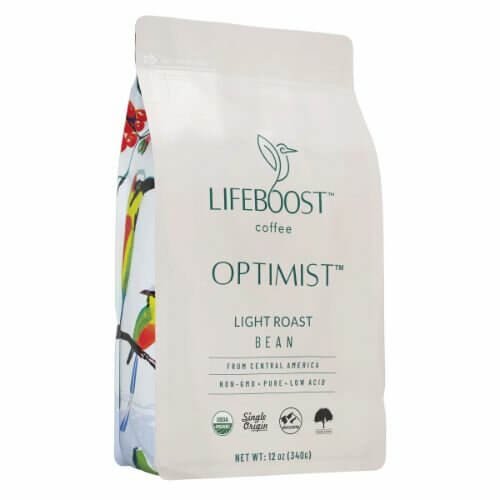
2. Lifeboost Optimist Light Roast
Roast: Light
- Origin: Nicaragua
- Tasting notes: Caramel, vanilla, tropical fruit
- Grind: Ground or whole bean
I love cold-brewing light roast coffees, especially single origin beans. The process tempers the acidity that often dominates a lighter roast, allowing the sweetness and complexity to shine.
Lifeboost’s Optimist Light Roast is closer to a light-medium, with an exotic flavor profile that took me a while to put my finger on. The dominant note is rich caramel, but it’s backed by floral vanilla and a mild tropical fruit acidity – think pineapple or passionfruit.
Lifeboost is best known for its various health and environmental credentials. Their coffees are organic, shade-grown, and fairly traded. They’re GMO-free and 3rd-party tested for pesticides, mycotoxins, and other potential contaminants. I certainly value those ideals, but the Optimist makes my list first and foremost for its unique and exciting flavor.
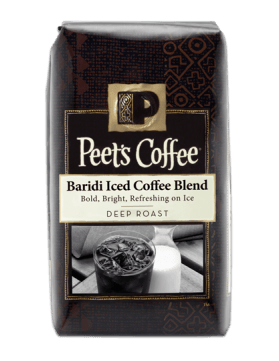
3. Peet’s Coffee Baridi Blend
Roast: Medium
- Origin: Africa, Latin America
- Tasting notes: Citrus flower, blackberry syrup, cocoa
- Grind: Ground or whole bean
Peet’s is one of the largest and most trusted coffee brands in the U.S., particularly renowned for introducing bold specialty blends to the American palate (1).
Alfred [Peet] was a coffee evangelist. He spent hours talking with customers, educating them about different blends.
Baridi (the Swahili word for cold) is a blend designed specifically for cold brew and iced coffee recipes. It highlights the bright flavors of East African arabica beans from Kenya, Ethiopia, Tanzania, and Rwanda but adds Latin American coffee to balance the profile.
The Baridi Blend delivers a more powerful aroma than most cold brews I’ve tried – rich with fruits and florals. It’s enticing even before you take your first sip.
The flavor profile is juicy and surprisingly bold. This isn’t your average mild-flavored cold brew, though it remains wonderfully smooth. The punchy flavors of blackberries, blueberries, and cocoa powder are sweet and refreshing, and I enjoyed it equally black or with milk.
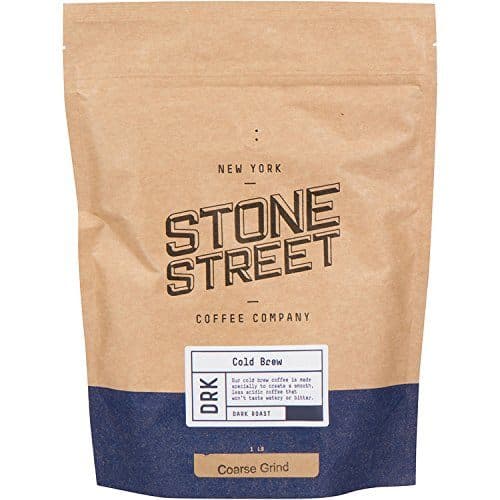
4. Stone Street Coffee Cold Brew Reserve
Roast: Dark
- Origin: Colombia
- Tasting notes: Nuts, chocolate
- Grind: Ground or whole bean
Cold brewing is well known for minimizing a coffee’s acidity, which is why many recommendations are for lighter roast beans. However, the cold brewing process also virtually eliminates any bitterness, so I love it just as much for darker roasts. For example, the Stone Street Coffee Cold Brew Reserve is an absolute stunner.
It’s technically a single-origin coffee, featuring exclusively Colombia Supremo beans – widely considered to be among the best in the world. But the beans are sourced from diverse regions across the country, and to my taste, it drinks like a blend.
It’s sweet, smooth, and balanced with a classic Colombian coffee flavor profile of dark chocolate, toasted nuts, and a hint of ripe fruit.
I’d argue it’s the most crowd-pleasing brew on this list. If you’re trying to sell someone on cold brew for the first time, it’s a guaranteed winner.
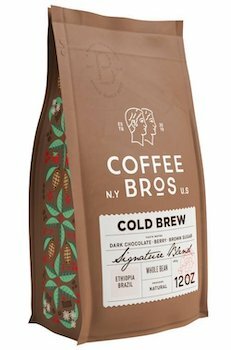
5. Coffee Bros Cold Brew Blend
Roast: Medium
- Origin: Ethiopia, Brazil
- Tasting notes: Dark chocolate, berry, brown sugar
- Grind: Whole bean
Coffee Bros. is a young coffee company founded by two brothers passionate about high-quality coffee, and I am an unabashed fan. They distinguish themselves with a commitment to quality sourcing and small-batch roasting. Fast and reliable shipping ensures that every coffee arrives at peak freshness.
The medium roast Cold Brew Blend is the perfect example of a blend of coffee that is more than the sum of its parts. The bright fruit flavors of Ethiopian Yirgacheffe beans are balanced by the sweet nutty notes of a lower-elevation Brazilian coffee. Both are naturally processed, yielding an exceptionally sweet, almost syrupy coffee.
I tasted mostly rich dark chocolate and brown sugar, with a hint of ripe fruit that was more sweet than acidic. This is another coffee I think holds up well to the addition of milk for a creamier treat.
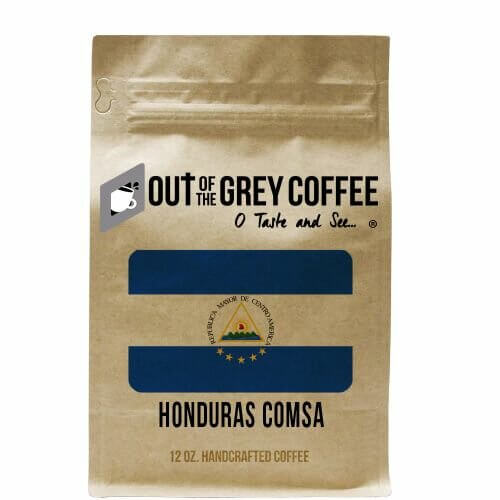
6. Out of the Grey Honduras Comsa
Roast: Dark-medium
- Origin: Honduras
- Tasting notes: Melon, peach, bittersweet chocolate
- Grind: Ground or whole bean
Out of the Grey’s Honduras Comsa is a versatile medium-bodied coffee, delicious brewed hot or cold. On cooler days, I’ve been enjoying it for espresso, pulling shots with a surprisingly bright profile for a relatively dark roast coffee.
The cold brew process mellows that brightness, resulting in a sweeter and milder coffee. The fruit flavors are juicy and refreshing rather than acidic. At the front, I tasted melon, stone fruit, and delicate florals, followed by a lingering cocoa finish.
Buying this Fairtrade coffee supports an excellent organization, Café Orgánico Marcala (COMSA). Founded in 2001, this collective supports small-scale coffee farmers in the Marcala region of Honduras by expanding development opportunities and supporting improved agricultural practices.
Out of the Grey doesn’t offer a cold brew grind size, so it’s best to grind your own beans. However, I experimented with their French press grind and found it suitable for immersion brewing if I shortened the extraction time and brewed in the fridge.
7. Volcanica Coffee Cold Brew Blend
Roast: Medium
- Origin: Sumatra and others
- Tasting notes: Sweet chocolate, nuts
- Grind: Ground or whole bean
Volcanica is a huge roastery (but still family-run!) with nearly unparalleled access to high-quality coffee from around the world. They have the knowledge and resources to craft an exceptional cold brew blend.
If the single-origin beans on this list sound too exotic for your taste, the Volcanica Cold Brew Blend delivers a more familiar flavor profile
It’s rich with nuts, milk chocolate, and sweet caramel. I like it on its own or incorporated into cold brew recipes with milk, cold foam, syrups, etc.
The blend combines Sumatran beans with unspecified others from the Americas. If I were to guess, I’d venture sun-grown, low-elevation Brazilian arabica coffee beans, which often add sweet and nutty flavors.
Sumatran coffee is known for its heavy body, low acidity, and bold, earthy flavors. It wouldn’t be my first choice for cold brew, so I was pleasantly surprised by this delightful brew. The earthiness is largely absent when brewed cold, leaving a robust and sweet coffee with heavy chocolate notes.
This blend is naturally very low in acid, which is further emphasized when preparing coffee cold. It’s a fantastic choice for anyone sensitive to acidity or for those who prefer a smoother flavor profile.
What Is Cold Brew?
Cold brew coffee is becoming increasingly popular, growing by over 300% since 2016 (2). To understand which type of coffee beans make the best cold brew, you need to know about cold brewing – particularly, the distinction between cold brew and iced coffee.
Cold brew is made without any heat, relying instead on a long brew time to facilitate extraction using cold water. In contrast, iced coffee is made from regular hot coffee that has been chilled over ice.
How do you make cold brew?
The two primary ways to make cold brew coffee are immersion and slow drip.
Home brewers usually favor the simpler immersion method in which coarsely ground coffee is steeped in cold water for up to 24 hours. For slow drip coffee, ice water is slowly dripped onto coffee grounds and collected in a carafe below.
The immersion method produces a smooth cold brew or coffee concentrate with a more robust coffee taste and fuller body. The drip brew has a brighter, more complex profile and a cleaner body. It’s similar to the difference between French press coffee and a pour over.
How Brew Temperature Affects Taste
The absence of heat from the brewing process gives cold brew beverages their unique and prized characteristics. Certain acids and solubles responsible for light and floral notes in coffee are only extracted above certain temperatures (3).
The temperature of the water used in brewing influences the release and diffusion of compounds in the resulting coffee beverage.
For this reason, cold brew contains less acid and tends to have more muted flavors. Choosing the right coffee is the best way to ensure a smooth and flavorful cup of cold brew, so let’s discuss how to do that.
What Type Of Coffee Is Best For Cold Brew?
Some aspects of choosing the best coffee beans are the same for every brewing method. Find a flavor profile you enjoy. Make sure the beans are high quality and freshly roasted. But there are a few extra considerations when shopping for the best cold brew beans.
Can you use regular ground coffee for cold brew?
A coarse grind is always preferable for the cold brew method – coarser than regular ground coffee or even typical French press grind. Fine grounds can lead to over-extraction, which produces more harsh or bitter flavors.
Grind size is particularly important if you make your cold brew using the cold drip method. A coarse grind begins dripping quicker, while a finer grind can restrict the flow of water.
I don’t recommend using regular ground coffee at the grocery store for your cold brew. If you don’t have a good coffee grinder for cold brew, look for a brand that offers pre-ground coffee with a coarse grind specifically for cold brew.
What coffee bean roast is best for cold brew?
Choosing between a dark roast or a light roast coffee is largely a matter of personal preference. Your best bet is to experiment. Don’t assume that your roast preference for hot coffee will hold true for cold coffee.
Expert coffee drinkers are divided on the question of the best roast for cold brew. Some suggest light to medium roasts, which are naturally more acidic. The cold brewing process eliminates much of the acidity of the beans, allowing the sweeter and more subtle flavors to shine. Others recommend dark roasts because cold brewing minimizes bitterness, leaving behind a rich profile of chocolate and nuts.
Whatever you choose, be aware that lighter roasts require a longer brew time. Darker roasts are more porous thanks to their longer roast, making it easier to extract the best flavor compounds from the beans.
Should you choose a single origin or blend?
This is another area where you should let your tastebuds guide you, but if you need a place to start, most experts think single origins are the best beans for cold brew. The cold brewing process allows the taster to experience the more subtle notes of a coffee and truly appreciate the nuances of the growing region.
Blends make sense for espresso or regular coffee, where a barista needs to balance acidity, sweetness, and bitterness. However, the absence of bitterness and acidity in a cold brew renders this process unnecessary.
That said, I have enjoyed some exceptional cold brew blends. In my experience, the best tend to combine only a few origins, augmenting rather than masking the distinct flavor profiles.
The Verdict
The best cold brew coffee is the one that tastes the best to you, but until you’ve tried them all, it’s hard to know where to start. That’s why I brewed and tasted dozens of coffees to put together this guide, and I sincerely hope you find it useful.
My top choice is the variety of options available through the Atlas Coffee Club Cold Brew Subscription. Why limit yourself to one coffee when you could enjoy a fresh single-origin every month? No matter the specific coffee, you can trust its high quality, freshly roasted, and delicious brewed cold.
FAQs
Most instant coffee powder is prepared by brewing hot coffee and dehydrating it, so it doesn’t produce the same smooth cup of coffee as a proper cold brew experience, even if you dissolve it in cold water.
I’d recommend an alternative like Starbucks Cold Brew Concentrate Pods, which are just as convenient as instant coffee. If you prefer a powder, I found that Cameron’s Cold Brew Sticks did a better job of mimicking a cold brew flavor profile than most instant coffees I’ve tried.
No, cold brew and regular coffee offer essentially the same health benefits. A 2018 research paper suggests that regular drip coffee is slightly higher in chemoprotective antioxidants (3). However, cold brew may be healthier in some contexts, as many people find its natural sweetness, minimal acidity, and lack of bitterness leave them less inclined to add sweeteners or creamer (4).
The Nariño 70 blend is used for cold brew and nitro cold brew at a Starbucks coffee shop. It combines 70% coffee from the Nariño region of Colombia with 30% beans from East Africa (5). Of the coffees on this list, I’d say Peet’s Baridi blend is the most similar.
References
- Mara, J. (2023, July 25). A coffee revolution: Peet’s’ first ever employee spills the beans. Retrieved from https://www.berkeleyside.org/2023/07/25/peets-first-employee-talks-berkeley
- French, R. (2023, October 23). Report: Cold brew coffee popularity spikes 300%. Retrieved from https://www.foodbeverageinsider.com/market-trends-analysis/report-cold-brew-coffee-popularity-spikes-300-
- Rao, N.Z., Fuller, M. Acidity and Antioxidant Activity of Cold Brew Coffee. Sci Rep 8, 16030 (2018). https://doi.org/10.1038/s41598-018-34392-w
- Harvard T.H. Chan School of Public Health. (2017). Cold brew coffee as healthy as the hot kind. Retrieved from https://www.hsph.harvard.edu/news/hsph-in-the-news/cold-brew-coffee-as-healthy-as-the-hot-kind/
- Starbucks Stories. (2016, August 16). Starbucks Cold-Brewed Coffee Honors Nariño Region. Retrieved from https://stories.starbucks.com/stories/2016/starbucks-narino-70-cold-brew-2/
