
HOW TO MAKE VIETNAMESE ICED COFFEE (EASY-TO-FOLLOW RECIPE)
In this recipe, I’ll teach you how to make ca phe sua da, Vietnamese iced coffee.
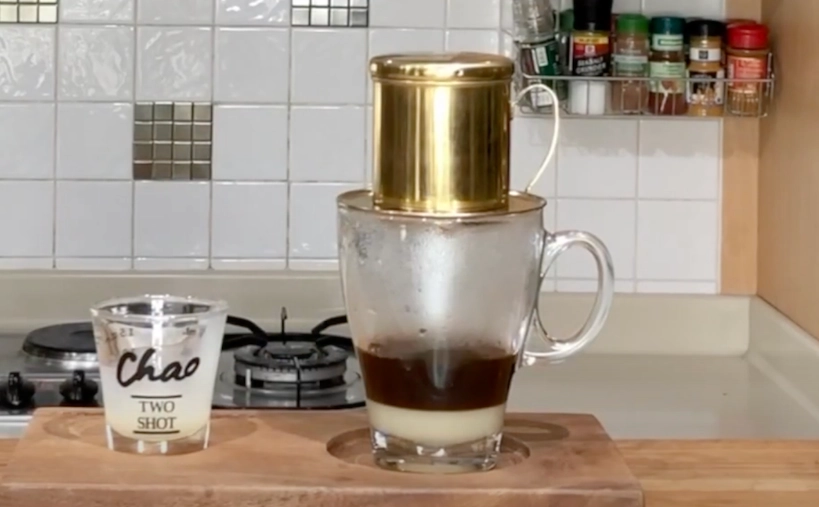
It’s as simple as combining intense coffee and condensed milk, then pouring it over ice for a refreshing addition to your summer routine.
Vietnam is a coffee-fueled nation, with locals and visitors alike starting each day with a satisfying cup of ca phe. Though the tradition was imported by French colonists as early as the 18th century, the Vietnamese have refined it into a uniquely Southeast Asian experience.
Follow along for a step-by-step guide.
What is Vietnamese Coffee?
Vietnamese Iced coffee (also known as ca phe sua da, cafe sua da, and cà phê sữa đá) is one of life’s great pleasures – not to mention one of my favorite iced coffee drinks. It’s strong, sweet, and refreshing, thanks to the unique phin brewing method and a hefty dose of sweetened condensed milk.
If you love Vietnamese iced coffee as much as I do, you’ll really love how easy it is to make at home!
Ingredients
- 2 tablespoons sweetened condensed milk
- 2 tablespoons ground dark roast coffee
- 8 ounces hot water
- 1 cup ice cubes
- 1 Vietnamese phin coffee dripper
- 2 glasses
AT A GLANCE
BREW TIME
5 – 10 minutes
YIELD
One 12-ounce iced coffee
What is the best coffee for Vietnamese coffee?
Vietnamese coffee is traditionally made with dark French roast coffee beans. Robusta coffee beans are often used for their strong flavor, either alone or blended with Arabica. After all, Vietnam is the world’s largest producer of Robusta coffee (1).
Robusta beans give Vietnamese coffee its characteristic bold earthy flavor and an extra kick of caffeine. Unfortunately, low-quality Robusta can have unpleasant woody or rubbery flavors, so it’s important you source a reliable brand.
I highly recommend Nguyen Coffee Supply, an artisan roaster that specializes in coffee from Vietnam. You can also find the Trung Nguyen coffee brand, which is common in Vietnam, online and in certain stores.
Alternatively, many Vietnamese Americans favor Cafe du Monde coffee and chicory blend. Millions of Vietnamese refugees settled in America following the Vietnam War and were forced to adapt to local ingredients. They discovered that the chicory in Café du Monde coffee shared a similar flavor profile as Robusta, providing a welcome taste of home (2).
What Is A Phin?
The phin is a traditional Vietnamese coffee maker used to make Vietnamese coffee. It is an impressively low-tech and inexpensive device—essentially, a simple stainless steel coffee press placed atop your mug. It acts like a combination of a drip coffee filter and a coffee press.
Two shots of espresso diluted with 4 to 6 ounces of hot water is the best option if you can’t track down a phin. Alternatively, make 6 to 8 ounces of coffee using any brewer with a metal filter, such as a Moka pot, French press, or an Aeropress outfitted with a metal filter.
How To Make Vietnamese Iced Coffee
There is nothing like enjoying authentic Vietnamese-style iced coffee on a hot and humid day. Here’s how to make one at home, just like they do in Saigon coffee shops or your favorite Vietnamese restaurant.
Looking for a more exotic Vietnamese drink? Try Vietnamese egg coffee!
Step 1: Heat The Water
Heat 8 ounces of water in a kettle to 195–205°F, the ideal temperature for extracting coffee. For a stronger brew, use 6 ounces of water.
Pro tip: If you don’t have a thermometer, boil water, remove it from the heat, and let it sit for 30 seconds to cool.
Step 2: Measure The Milk
While you wait for your water to heat, add two tablespoons of sweetened condensed milk to a heatproof glass.
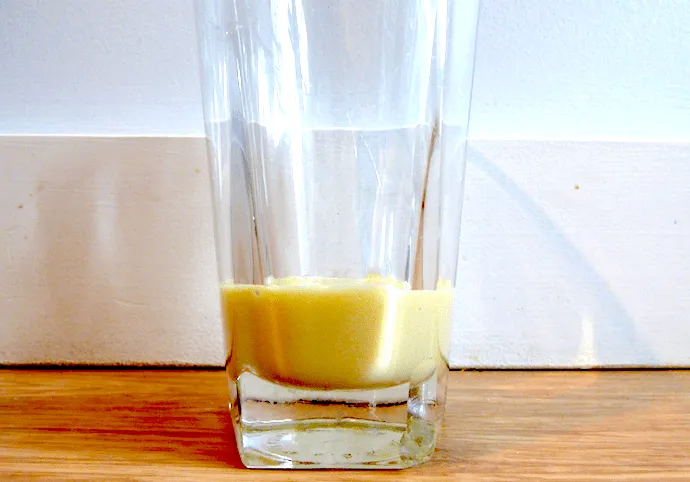
Pro tip: This measurement is just a guideline. Use up to 3 tablespoons if you have a serious sweet tooth, or lower it to 1 tablespoon for a less sweet variation.
Step 3: Brew Coffee
Add 2 tablespoons of ground coffee to the phin. I find that medium-fine coffee grounds are ideal, roughly the same as I use when brewing a V60 pour-over. But if you don’t have a burr grinder, even standard medium pre-ground coffee works well in this Vietnamese coffee filter.
Add the metal phin filter on top of the coffee, push it down, and give it a twist. The amount of pressure you use will affect the final brew, much like tamping espresso.
Place the phin on top of the glass with sweetened condensed milk, fill it nearly to the brim with hot water, and cover with the top. Wait three to five minutes as the coffee drips slowly into the glass.
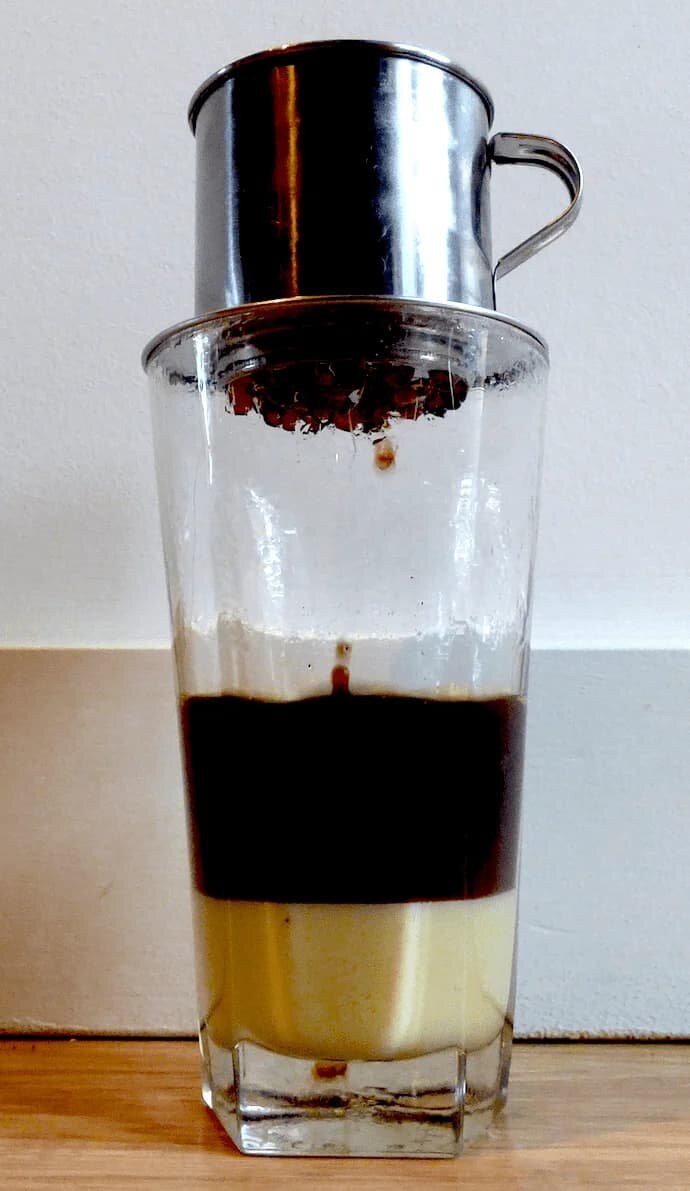
Pro tip: Depending on the size of your phin, you may need to pour in stages to avoid an overflow.
Step 4: Pour Over Ice
Use a spoon to stir and dissolve the sweetened condensed milk at the bottom of the cup. You can stop right here to enjoy a Vietnamese-style hot coffee, which is called cà phê sữa nóng.
Fill the second glass with ice cubes, and pour the sweetened coffee over it to chill. Serve and enjoy!
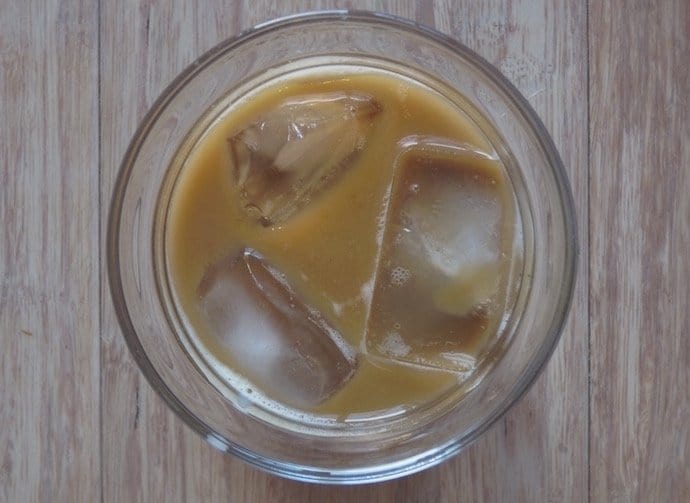
Pro tip: Keep the second glass in the freezer until it’s time to serve your drink. This will chill the iced coffee faster and avoid dilution from melting ice cubes.
Final Thoughts
I hope you enjoy this Vietnamese coffee recipe, whether you opt to serve it hot or cold. I was thrilled to discover how quick and easy it was to make this classic at home, and it transports me right back to my time traveling in Vietnam – minus the terrifying road crossings! For a true taste of the country, pair it with a delicious banh mi or a steaming bowl of pho.
FAQs
The exact amount of caffeine in Vietnamese coffee depends on the type of coffee and how the coffee is brewed. Robusta is a strong coffee, with about double the caffeine of Arabica beans. An 8-ounce cup of Vietnamese coffee made from Robusta beans has approximately 180 mg of caffeine.
Vietnamese coffee is different for two primary reasons. First is the common use of Robusta rather than Arabica. And second is the phin used to brew Vietnamese coffee. This combination results in a very bold coffee flavor.
It is also characterized by the addition of sweetened condensed milk, which mellows the intensity of the coffee. This is common in coffee drinks across Southeast Asia – for example, the Kopi Sanger and Nanyang Kopi.
The real name for Vietnamese iced coffee is cà phê sữa đá, which translates as “iced coffee with milk.” It is pronounced “kah-fey-suh-dah”. If you prefer your iced coffee black, you would order cà phê đen đá (pronounced “kah-fey-dehn-dah”). Interestingly, ca phe in Vietnamese is pronounced the same as café in French, because it was the French who initially introduced coffee to Viet Nam (3).
References
- World Coffee Research (n.d.). History of Robusta. Retrieved from https://varieties.worldcoffeeresearch.org/robusta-2/history-of-robusta
- Nguyen Coffee Supply. (2021, August 25). How Cafe du Monde Became a Vietnamese American Staple. Retrieved from https://nguyencoffeesupply.com/blogs/news/how-cafe-du-monde-became-a-vietnamese-american-staple
- Sang Coffee. (2023, March 14). The History of Coffee in Vietnam: A Story of Reclamation. Retrieved from https://eatdrinksang.com/blogs/news/the-history-of-coffee-production-in-vietnam
