
TYPES OF COFFEE PODS: AN EXPERT EXPLAINS COFFEE POD TYPES
What are the different coffee pod types, and is one better than the rest?
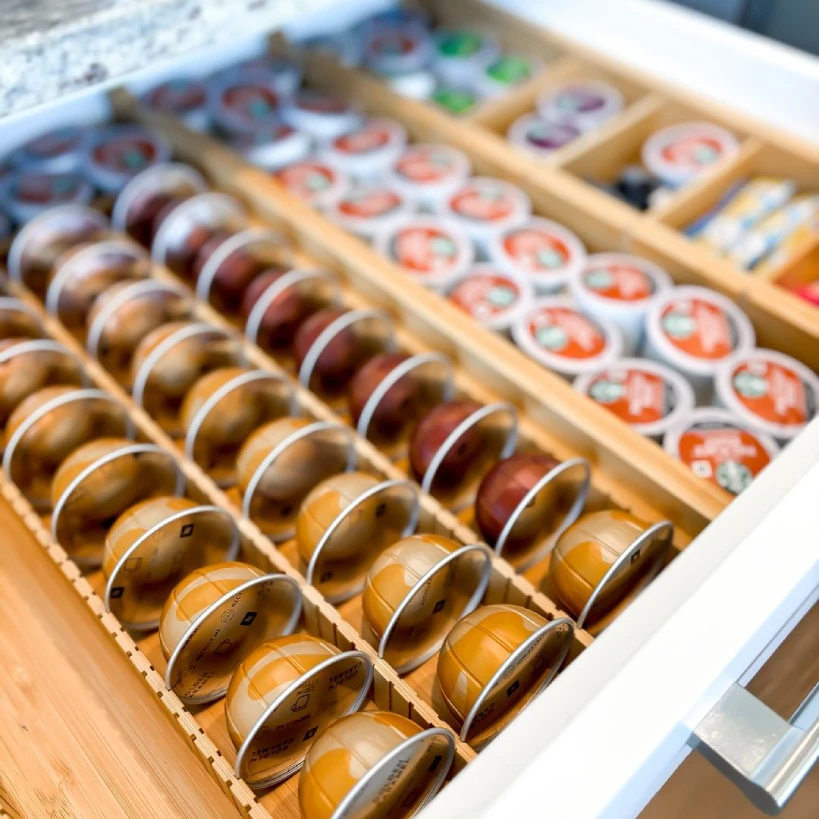
In an ideal world, we’d all have the time and money to drink freshly ground and brewed coffee at home each morning. But in the real world, the convenience of a coffee capsule is sometimes impossible to resist.
So how do you navigate the world of pods, pads, and capsules? I’m here to help. Let’s learn about the types of pods on the market and the capsule machines that brew them.
Coffee Capsules Vs Coffee Pods
I’ll start with a quick note on terminology to avoid any confusion. Once upon a time, coffee pods and coffee capsules were two distinct things.
Coffee capsules were little cups of ground coffee, usually made from aluminum or plastic, that you might put in a Keurig or Nespresso machine. Coffee pods were a pre-packaged dose of coffee grounds in a paper filter like a round teabag, which could be either hard or soft.
Over the past ten years, brands and consumers alike began using the terms “capsule” and “pod” interchangeably, so that is what I’ll do here. What was once a “coffee pod” is now sometimes called a “coffee pad” or “coffee bag.”
What Different Types Of Coffee Pods Are There?
Coffee pods and capsules come in many different types, but the two most common, by far, are Keurig K-Cups and Nespresso Capsules. I’ll take a closer look at each of those before branching into alternative pod options.
K-Cup Style Single-Serve Coffee Capsules
K-Cups were first invented in 1998 along with Keurig coffee machines, hence the “K” in the name. They are typically made from plastic with an aluminum lid and are used to brew a single serving of drip coffee.
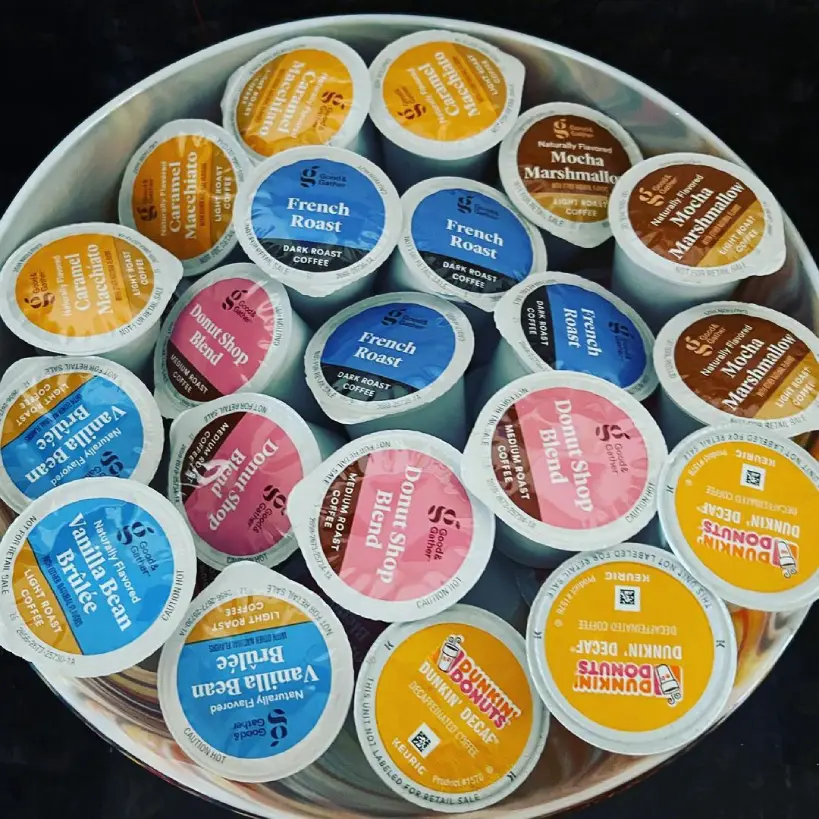
The original K-Cup patent expired in 2012 (1). So today, K-Cups are made by dozens of coffee brands and are compatible with many single-serve coffee machines outside the Keurig umbrella. This has also led to more material innovations, including fully recyclable and compostable capsules.
In 2014, Keurig briefly attempted to maintain market share by launching Keurig 2.0 brewers that only accepted special Keurig 2.0 capsules. This quickly flopped due to consumer unhappiness, though you may still find 2.0 products online.
Related: An in-depth comparison between pods and K-Cups.
Nespresso Style Coffee Capsules
Nespresso currently makes two styles of coffee capsules, and you’ll find many other brands making Nespresso compatible pods to fit their machines.
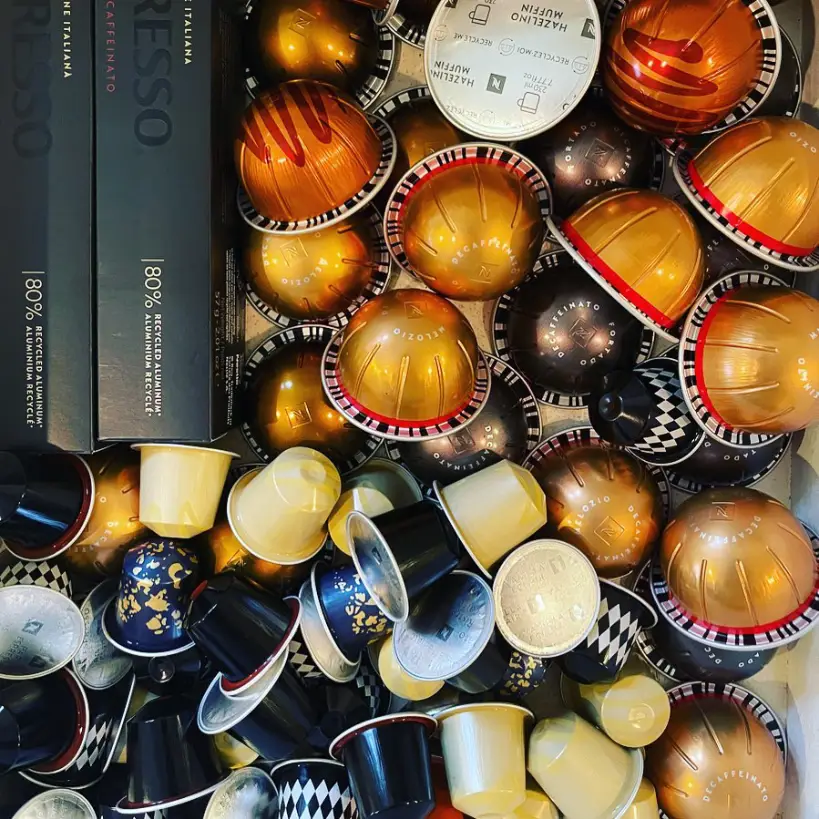
- Nespresso Original capsules are used in Nespresso OriginalLine machines (and other capsule-based espresso makers, like the Wacaco Nanopresso, for example). These small aluminum capsules produce a strong shot of espresso-like coffee with a thin layer of crema.
- Nespresso Vertuo capsules are a newer development, released in 2014 (2). These larger aluminum pods are compatible with Nespresso VertuoLine machines exclusively because they are capped with a scannable barcode. Vertuo pods come in different sizes and can brew larger servings of up to 12 ounces, but the resulting coffee is still stronger and fuller-bodied than a K-Cup brew.
Less Common Types Of Coffee Pods
Nespresso and Keurig-style capsules might rule the roost, but there are other pods available on the market if those don’t appeal. Just keep in mind that if you opt for a machine with a rarer type of capsule, it may be harder or more expensive to buy more pods.
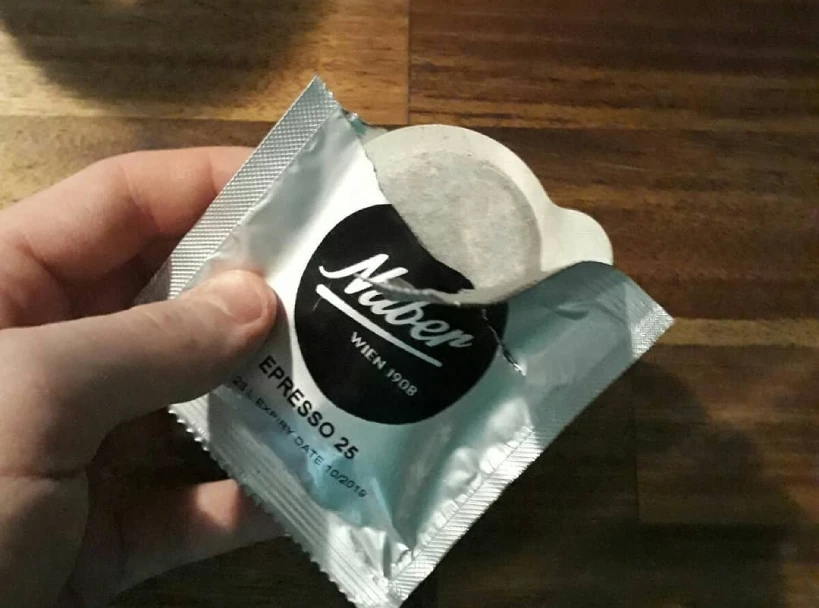
The most common outsider is the Easy Serving Espresso (ESE) pod, created by Illy to standardize espresso-making and eliminate human error. Resembling a tea bag but packed full of finely ground coffee, they’re great because they’re compatible with many standard espresso machines. For example, both Delonghi and Gaggia offer espresso makers that work with ESE pods or ground coffee, providing more flexibility than a Nespresso machine.
Other examples of espresso pods include Illy Iperespresso, Nescafe Dolce Gusto, Caffitaly or K-Fee pods, Lavazza A Modo Mia, and Tassimo T-Discs. Most of these are more popular outside North America, and each has a specific pod design and brand-associated compatible machine.
What Is The Most Popular Coffee Pod?
Nespresso remains the most popular coffee pod globally. In 2020, it was reported that over 14 billion Nespresso capsules were sold worldwide (3). However, there are regional differences. Nespresso is more popular in Europe, which has more of an espresso culture. Single-serve coffee machines like Keurig continue to dominate in North America, where consumers favor larger coffees.
Do All Coffee Pods Fit All Machines?
No, unfortunately, there is no universal coffee pod or coffee pod machine – such is the nature of the free market. So you’ll need to decide what type of coffee capsule you want to use before you purchase a pod coffee maker.
As a rough guideline, lean towards Nespresso if you prefer espresso and Keurig if you prefer regular coffee. But you’ll also want to consider coffee quality, selection, availability, and your budget.
What About Reusable Coffee Pods?
Coffee pods are a convenient way to make a quick cup, but they have downsides. One is that you’re not brewing with freshly ground coffee beans, so the coffee flavor is lacking. Another is the relatively high cost per serving, and finally, there is the waste and negative environmental consequences.
The energy output of manufacturing is so great, that no single-use item can compare to a reusable product.
For coffee lovers, the solution to all of these issues is a reusable or refillable capsule. These are made of either plastic or metal and are simply empty capsules that you fill with your own coffee as needed. As with regular capsules, you’ll need to find reusable pods that are compatible with your machine.
Final thoughts
Coffee capsules aren’t one-size-fits-all, so it’s important to have a plan before you buy a machine. Consider the style of coffee you enjoy, the types of coffee pods available in your area, the quality of coffee you demand, and your budget. Given the massive marketplace of coffee capsules, there’s sure to be a perfect pod for you!
And if you already have an espresso machine, see if it’s compatible with ESE pods or if an adapter is available. That could be an easy way to simplify your busiest mornings without totally committing to the coffee capsule life!
FAQs
Yes, Nespresso coffee pods come in two styles: Original and Vertuo. Original capsules work with Nespresso Original line machines. They hold 5 to 7 grams of coffee brew between 1.35 and 5 ounces of coffee. Vertuo capsules work with a new system called the Vertuo line, and they are made for brewing larger servings up to 12 ounces.
Coffee bags are like teabags for coffee. These soft coffee pods are made from filter paper and filled with ground coffee. They are a convenient way to make coffee because they only need to be steeped in water; they are not used with any type of machine. Some coffee bags contain a mixture of ground coffee and instant coffee.
Coffee capsules have a very long shelf life. While they will have an expiration date printed on the packaging, they are safe to use months or years after this date. Of course, coffee begins to lose its flavor as soon as it’s ground, so don’t have any great expectations about the taste.
References
- Linshi, J. (2014, June 23). Here’s What You Need to Know About the War on K-Cups. Retrieved from https://time.com/2913062/k-cups-war/
- PR Newswire. (2014, February 19). Nespresso Set To Revolutionize The North American Coffee Market With The Launch Of Vertuoline™. Retrieved from https://www.prnewswire.com/news-releases/nespresso-set-to-revolutionize-the-north-american-coffee-market-with-the-launch-of-vertuoline-246133981.html
- Cumming, E. (2020, July 14). How Nespresso’s coffee revolution got ground down. Retrieved from https://www.theguardian.com/food/2020/jul/14/nespresso-coffee-capsule-pods-branding-clooney-nestle-recycling-environment
