
HOW TO MAKE KONA COFFEE: THE BEST WAYS TO BREW A PERFECT CUP
I’ve mastered the art of the brewing process for the best Kona coffee, and today, I want to share my best tips and tricks with you!
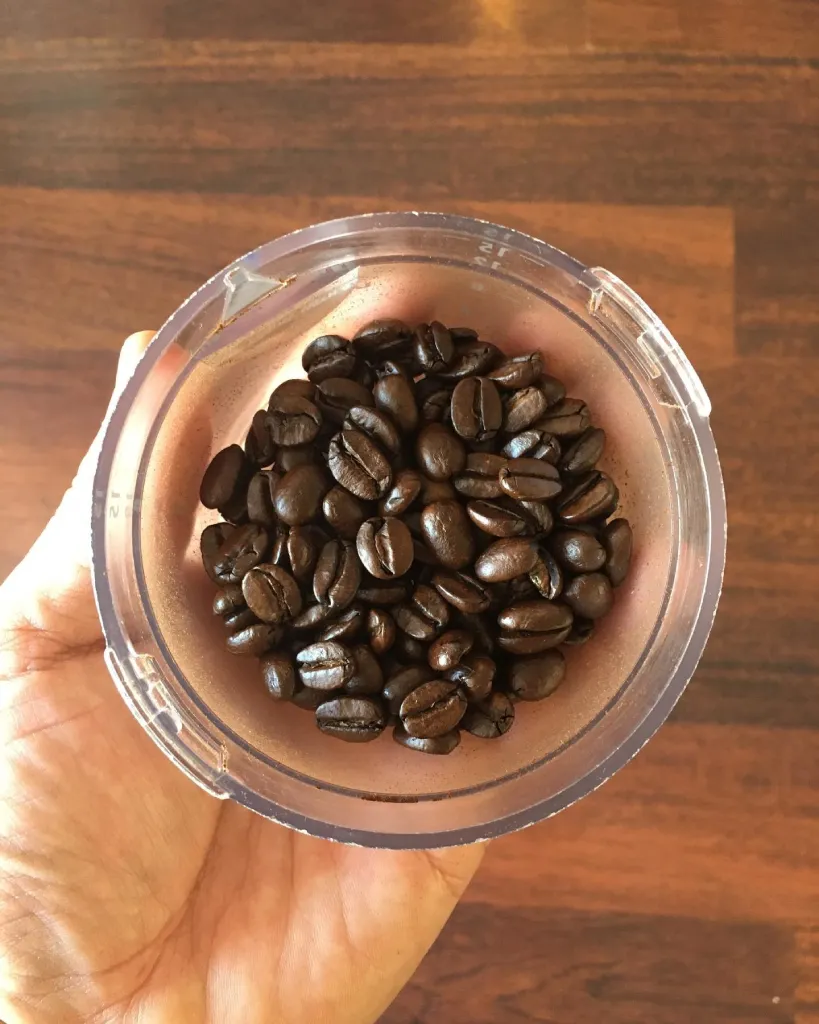
Congratulations, you took the plunge and bought expensive Kona beans! Now it would be a real shame to let that money go to waste by brewing them the wrong way.
Lucky for you, I’ve already done the dirty work, made mistakes, and learned the hard way. So read on for my best tips to guarantee the remarkable flavor of your Kona coffee more than justifies its cost.
How Do You Make The Perfect Cup Of Kona Coffee?
The perfect cup of coffee balances sweetness, bitterness, and acidity to deliver a smooth and flavorful Kona coffee experience. How do you achieve such perfection?
The first step is to buy the best 100% Kona coffee beans. Don’t settle for a cheaper 10% Kona blend; I promise it won’t meet expectations.
The next step is to choose a brewing method that suits your taste, so that’s where we’ll start. I’ve got a few suggestions based on the style of coffee you prefer.
What Is The Best Brewing Method For Kona Coffee?
The first decision to make is what brewer you want to use for your Kona beans, and that depends on how you like your coffee. These methods also work for coffee beans from other Hawaiian coffee regions.
French Press Method
My favorite Kona brewing method is the French press, particularly for medium or dark roasts. Because it doesn’t use a paper filter, all the coffee oils remain in the cup, guaranteeing you’ll experience the full range of flavors present in your premium beans. Plus, I love the rich texture and heavy body of an immersion brew.
Just make sure you have a good-quality coffee press. I recommend using one of the double-filter options, which leaves a few fines but no discernible grit in the cup.
Pour Over Method
I know not everyone loves the French press’s heavy body and silty remnants, and some shy away from this method over fears of high cholesterol (1). If you prefer a cleaner cup, a pour over dripper is another excellent way to showcase the delicate flavors of Kona coffee.
It yields a more subtly flavored brew with a lighter body, which is particularly great for more complex light roasted coffee.
Personally, I like the Chemex for Kona beans. The thicker double-bonded Chemex paper filters slow the drawdown, and this increased contact time produces a more flavorful extraction.
Aeropress Method
If your tastes fall somewhere in the middle, the Aeropress brews a shot of concentrated coffee with a body somewhere between a drip coffee and an espresso. It feels more substantial than the pour-over, but the paper filter keeps it less intense than the French press.
Dial In Your Grind Size
For a specialty coffee like Kona, I recommend buying whole beans and grinding them yourself rather than buying pre-ground coffee. This ensures that your coffee is fresh, as coffee rapidly goes stale once it is ground – a surefire way to ruin those prized Kona flavors.
Just as importantly, grinding at home allows you to dial in the grind size for your chosen coffee brewing method.
It is crucial to use a burr coffee grinder to grind your Kona beans, not a blade grinder. A burr grinder produces a far more consistent grind and thus a more even extraction. And it heats up less during grinding so you won’t impart an unpleasant burnt taste to your coffee.
The perfect grind might take some experimentation, but it’s worth the effort. Use coarsely ground coffee for a French press, medium to medium-coarse ground coffee for a pour over, and medium-fine grinds for an Aeropress.
Taste your coffee after brewing. If it tastes weak, watery, or sour, try using a finer grind. If it tastes bitter or astringent, aim for coarser coffee grounds.
How Much Kona Coffee Per Cup?
The best brew ratio depends somewhat on personal preference. The National Coffee Association recommends a coffee to water ratio of 1:18, and that’s a great starting point to evaluate your taste (2). For every 10 grams of coffee, you’ll want to use 180 grams of water. I’ve found that I prefer my Kona brews a little stronger, and I typically use a ratio of 1:16.
The best way to brew coffee accurately and consistently is to measure it by weight rather than volume. So if you don’t already have a coffee scale, your fancy Kona coffee beans are a great reason to add one to your brewing arsenal. But if a scale just isn’t in the budget right now, a good approximation is to use two tablespoons of coffee for every 8 ounces of water.
Don’t Overlook The Importance Of Water
In the quest for the best beans, grinder, and brewer, it’s easy to neglect coffee’s most significant component: water. When brewing specialty beans, use filtered water to avoid adding any unwanted flavors that might muddy the taste of your Kona coffee (3).
Every brew is up to 98% water…This means that the type of water we use has a dramatic impact on the flavour and quality of our coffee.”
It’s also important that your hot water is in the optimal brewing temperature range of 195 to 205 ℉ – unless you’re making cold brew. Too hot, and you’ll burn your coffee. Too cold, and it won’t extract properly.
What Is The Best Way To Drink Kona Coffee?
I highly recommend trying your Kona coffee black at first, even if you typically add cream or sugar to traditional drip coffee. If you’re not used to beans of this quality, you might find yourself surprised by their naturally sweet flavors and creamy body. Kona is known for its luscious profile of brown sugar, milk chocolate, honey, and ripe fruit.
If you still feel it needs a little boost, then go ahead and add milk, cream, or sugar—perhaps starting with smaller amounts than normal. Despite what some coffee connoisseurs might say, there’s nothing wrong with doctoring your coffee to make it a beverage you enjoy.
That said, if you’re going to add pumpkin spice-flavored creamer or the like to your perfect Kona coffee, I’d say just save your money and buy less expensive beans. At that point, you’re no longer tasting the Kona you’re paying top dollar for.
The Verdict
Buying premium specialty beans is the first step to enjoying delicious coffee, but the equally important second step is brewing them properly. I hope you use this handy guide when brewing Kona coffee at home so you can achieve that ideal balance of flavors. A perfect cup of Kona can be a truly transcendent experience for a coffee lover.
FAQs
Kona coffee is so special because of where it’s grown. The Kona region on the Big Island of Hawaii offers the perfect combination of climate, geography, and soil to produce specialty Arabica coffee beans.
No, Kona coffee isn’t healthier than any other varietal of Arabica coffee. Indeed, all coffee offers a number of proven health benefits, including an overall lower risk of mortality (4). However, if you find that Kona’s naturally delicious flavor profile breaks your addiction to high-sugar creamers, it may be a healthier option for you!
Kona coffee is graded based on the beans’ size, shape, color, moisture content, and defects. The best grade, Kona Extra Fancy, is awarded to the largest beans with the fewest flaws. This grading system was introduced after 1991 when authorities allowed the sales and marketing of Kona blends, which introduced many nefarious scammers to the profitable Kona coffee industry.
Store your coffee beans in a way that keeps them away from heat, light, oxygen, and moisture. Most coffee bags have a one-way valve that makes them an excellent short-term storage option. Store coffee in the freezer in an airtight container if you don’t plan to brew it within two weeks.
References
- Schaefer, A., McDermott, A. (2017, June 6). Coffee and Cholesterol: Is There a Link? Retrieved from https://www.healthline.com/health/high-cholesterol/coffee-link
- National Coffee Association. (n.d.). How to Brew Coffee. Retrieved from https://www.ncausa.org/About-Coffee/How-to-Brew-Coffee
- Pocasangre, F. (2018, July 4). Testing Water in Pursuit of Excellent Coffee. Retrieved from https://perfectdailygrind.com/2018/07/testing-water-in-pursuit-of-excellent-coffee/
- Freeborn, J. (2022, June 7). Drinking coffee, even with sugar, linked to lower mortality risk. Retrieved from https://www.medicalnewstoday.com/articles/drinking-coffee-in-moderation-linked-to-lower-mortality-risk
