
HOW TO BREW JAMAICA BLUE MOUNTAIN COFFEE FOR THE MOST FLAVOR
Specialty coffee isn’t cheap, so use this guide to make sure you treat your Jamaican Blue Mountain coffee beans right.
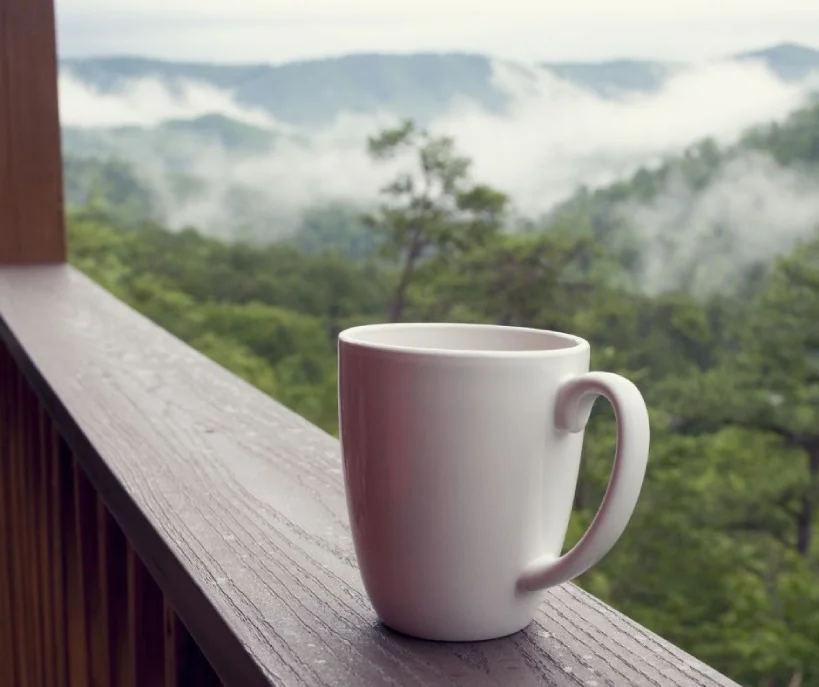
Authentic Jamaican Blue Mountain coffee is famous for its smooth acidity and complex nutty and floral flavors, but you won’t experience that if you brew it incorrectly. Instead, you’ll have bought expensive coffee that tastes like any other.
Don’t let that happen to you. Follow these tips to ensure you spend your money well.
How To Buy And Store Blue Mountain Coffee Beans
Look for 100% Blue Mountain coffee to ensure you’re getting the best Jamaican Blue Mountain coffee beans. Though it’s tempting to buy a blend to save money, don’t bother. Blends can have as little as 10% true Blue Mountain coffee beans. You can choose light, medium, or dark to suit your taste and coffee brewing equipment.
It’s important to store your coffee properly to keep it from going stale and losing its exceptional flavors. Ideally, keep it in a coffee canister away from heat, light, moisture, and oxygen. If you don’t plan to brew your coffee within a few weeks, I’d suggest sealing it in an airtight container in the freezer.
What Is The Best Brew Method For Jamaican Blue Mountain Coffee?
There are three ways to go when brewing specialty coffee beans: pour-over, immersion, or espresso. All three methods can brew the perfect cup of Jamaican coffee, so I’ll just help you choose the one that best suits your taste.
A pour-over brewer, like the Hario V60 or Chemex, is ideal for accentuating the subtle complexities of a coffee’s flavor, making it an excellent choice for specialty beans. You’ll enjoy a clean cup with brighter acidity, qualities particularly suited to a light roast (1).
Because the pour over method works well to highlight subtle flavor notes and aromas, you may want to choose a light roast.
If you prefer a more luxurious coffee experience with a heavier mouthfeel and intense flavors, try an immersion brewing method. The French press will yield a bold and full-bodied coffee. For a cleaner cup, consider a paper filter immersion method like the Aeropress or Clever Dripper.
If you’re an espresso lover, a quality home espresso machine can yield a delicious shot of Blue Mountain coffee. Try it with the peaberry grade with darker roasted coffee beans.
Don’t Overlook The Importance Of Good Water
Though often overlooked, water quality and temperature play a huge role in brewing coffee. After all, coffee is 98 percent water. Use filtered water to avoid interfering with the flavor profile of your brew, and aim for a brew water temperature between 195 and 205 ℉.
What is the best grind for Blue Mountain coffee?
When brewing premium coffee, it is always better to buy whole coffee beans and grind them at home – using a burr grinder, not a blade grinder.
Grinding the beans right before brewing ensures your coffee is fresh and flavorful and allows you to dial in the ideal grind size for your chosen brewing method.
Each brewing process has an ideal grind size. Use coarse or medium-coarse coffee grounds for immersion brewing, medium for a pour-over method, and fine for espresso. It may take some experimentation to dial in the specific size, especially for espresso.
How much Blue Mountain coffee per cup?
The ideal coffee-to-water brewing ratio, as defined by the Specialty Coffee Association, is 1:18, but you may find you prefer it slightly stronger or weaker. The best way to measure your brew ratio is using a coffee scale, which is far more accurate than measuring by volume.
I typically use 15 grams of coffee and 250 grams of water for a single-cup serving when I brew Blue Mountain coffee. If you don’t have a scale, a good approximation is 1 to 2 tablespoons of ground coffee for every 6 ounces of water.
Final Thoughts
Brewing specialty coffee is a bit more finicky than dumping pre-ground beans into your drip machine, but the results are well worth the effort. If you’ve spent extra cash for high-end Jamaica Blue Mountain coffee, follow the brewing tips in this guide to ensure you get the delicious coffee experience you deserve.
FAQs
You can tell if Jamaica Blue Mountain coffee is real by looking for the Seal of Certification, a stamp present on all genuine beans. This globally protected certification mark is administered by the Jamaica Agricultural Commodities Regulatory Authority (formerly the Coffee Industry Board of Jamaica). There are no recognized criteria for calling something a “Blue Mountain blend.”
Jamaica’s Blue Mountain coffee is special due to a unique combination of climate, geography, and Arabica coffee variety found nowhere else on Earth. The Blue Mountains of Jamaica enjoy high elevations, ample sunshine, plenty of humidity, and rich soil – perfect for coffee cultivation (2).
Jamaica Blue Coffee is often compared with Kona beans, as both are known for producing exceptionally smooth brews. Some coffee trees from Papua New Guinea, like the organic Marawaka bean, are genetically related to Jamaica Blue Mountain coffee, so the coffee will taste similar.
References
- Soque, N. (2019, January 25). Everything You Need to Know to Brew Great Pour Over Coffee. Retrieved from https://perfectdailygrind.com/2019/01/everything-you-need-to-know-to-brew-great-filter-pour-over-drip-coffee/
- Why Jamaican Blue Mountain Coffee is Typically More Expensive. (2019, September 9). Retrieved from https://www.spillerandtait.co.uk/blogs/news/why-jamaican-blue-mountain-coffee-is-typically-more-expensive
