
JAMAICAN BLUE MOUNTAIN COFFEE VS KONA: WHAT’S THE DIFFERENCE?
How do two of the world’s most famous coffee origins compare? Let’s look at Jamaica Blue Mountain and Kona coffee.
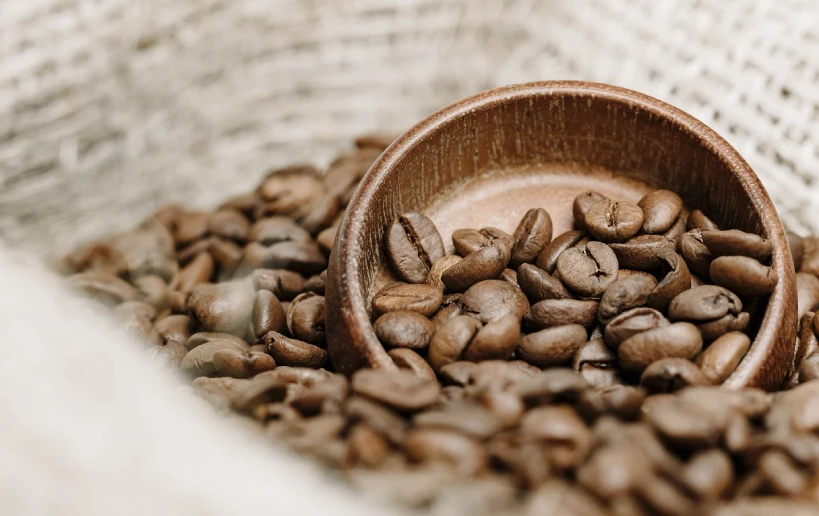
You don’t have to be a specialty coffee enthusiast to have heard of Blue Mountain and Kona coffee. They are two of the most sought-after beans on the planet, which makes for an interesting comparison.
Are they both popular because they’re similar? Or do they appeal to different kinds of coffee lovers? Most importantly, if you’re going to splurge on some fancy coffee, which origin should you buy?
In this article, I’ll explain the key differences and similarities between Blue Mountain and Kona coffee to help you decide where to spend your dollars.
Kona Coffee Versus Blue Mountain Coffee Beans
Before we start, I should warn you that the Kona and Blue Mountain coffee industries are both prone to scams, a side effect of their excellent (and expensive) reputations. Always be sure you’re buying 100% authentic beans and steer clear of “blends,” which can consist of as little as 10% of the real thing.
Now, let’s look at how these two famous coffees compare in five key categories.
Growing Region
The growing region is the most apparent difference between these two gourmet coffee beans; after all, both are named for the region in which they’re grown.
Jamaican Blue Mountain (JBM) coffee beans must be grown in one of four parishes within a particular elevation range in the Blue Mountains of Jamaica. All growers have to be certified by the Jamaican coffee regulatory body, which holds plantation owners accountable for their products and prevents fraudulent sales (1).
Kona Coffee must be grown in the Kona district on the Big Island of Hawaii on the slopes of the Mauna Loa or Hualalai volcanoes. The Hawaiian Department of Agriculture has a classification system for Kona beans to rank their quality and set guidelines for specific grades (2). Type 1 Kona Extra Fancy is the highest grade.
Though the two regions are in different parts of the globe, they share commonalities, including high elevations, that allow both to produce amazing coffee (3).
In coffee…at higher altitudes, metabolic development slows down and the fruit will ripen better. This will probably be reflected in a cleaner, brighter and smoother sensory profile.
Both islands are also blessed with an ideal climate, rich volcanic soils, and skilled coffee growers and processors.
Varietal
Kona and Blue Mountain coffees are genetically quite similar. Both are unique local mutations of the Typica variety of Arabica coffee.
Typica is one of the oldest Arabica varieties, prized for its high-quality flavors (4). However, it is challenging to cultivate profitably because it is low-yielding and relatively susceptible to pests and diseases. This is one reason JBM and Kona coffees are so expensive.
Flavor Profile
Jamaican Blue Mountain coffee is known for being exceptionally smooth with no bitterness and a sparkling mild acidity. While the precise flavor profile varies with the roast level and processing, you can expect balanced notes of chocolate, nuts, and herbs.
Kona coffee is also renowned for being smooth and balanced, but it tends to be a little heavier-bodied than Jamaican coffee and with a more syrupy mouthfeel. You’re more likely to find darker-roasted options from Kona and sweeter flavor notes like honey, caramel, chocolate, and ripe fruit.
Brewing Methods
The great thing about buying high-quality coffee is that it’s delicious using any brewing method, provided you follow the essential practices of good brewing:
- Buy whole beans and grind them with a burr grinder right before brewing.
- Use good-quality filtered water.
- Make sure your brew water temperature is between 195 and 205 F.
- Take the time to dial in key variables like grind size, brew time, and coffee-to-water ratio.
I like to brew Blue Mountain Coffee as a pour over, usually with my Kalita Wave or Origami Dripper. These methods highlight the subtle complexities of JBM beans, and I find they enhance the unique herbaceous aroma.
For Kona beans, I prefer an immersion method, which emphasizes their slightly creamier mouthfeel and richer flavors. I often opt for a French press or Aeropress, and I’ve enjoyed some stellar Kona peaberry espresso.
In the end, your taste should guide your choice of brewing method.
Price
Kona coffee and Blue Mountain coffee are both significantly more expensive than most other coffee beans, even other specialty beans. This is largely because of their rarity. The growing regions are small, and the terrain means harvesting and sorting are done by hand. Additionally, coffee workers in both locations are paid fair wages, which is sadly not the case in much of the world.
Jamaican Blue Mountain Coffee is usually the more expensive of the two. Not only is it grown in a more challenging and mountainous region, but roughly 80% is shipped directly to Japan, leading to a scarcity in the rest of the world.
Final Thoughts
In the showdown between Blue Mountain and Kona coffee beans, there are two winners. Each type of coffee is grown in unique conditions that allow its distinct and highly prized flavors to develop.
Wondering which one you should try? Blue Mountain coffee is more nutty and herbal, while Kona is sweeter and more fruit-forward. However, if you have the budget, I highly recommend trying both to find out firsthand which you prefer!
FAQs
You know your coffee is authentic if it has proof of authenticity. Real Blue Mountain coffee is easily identified by its Seal of Certification. Kona coffee doesn’t have an overarching certification process, so look for bags labeled “100% Kona.”
Most coffee grown in Kona and the Blue Mountains is not organic. As previously mentioned, the Typica variety is very susceptible to pests and diseases, making it more challenging to grow using organic techniques. But you can find organic beans if you really want them.
No, Kona and JBM coffee offer the same health benefits as any caffeinated Arabica coffee. However, if you usually buy cheap beans and make them palatable by adding a lot of sugar and cream, you may find the natural sweetness of these higher-quality coffees makes them easier to drink black.
References
- Jamaica Agricultural Commodities Regulatory Authority. (n.d.) Divisions Coffee. Retrieved from https://jacra.org/divisions/coffee/background/
- (2014, February 26). Department of Agriculture: Amendment and Compilation of Chapter 4-143 Hawaii Administrative Rules. Retrieved from https://hdoa.hawaii.gov/wp-content/uploads/2012/12/Chapter-4-143-5.24-14-final.pdf
- Haw, M. (2023, August 24). Why does high-altitude coffee taste different? Retrieved from https://newgroundmag.com/2023/08/high-altitude-coffee/
- Brown, H. (2020, April 28). The Typica Coffee Variety: What Is It & Why Is It so Important? Retrieved from https://perfectdailygrind.com/2020/04/the-typica-coffee-variety-what-is-it-why-is-it-so-important/
