
WHAT IS MICROLOT COFFEE? WHY COFFEE ROASTERS LOVE MICRO LOTS
If you’re interested in third-wave coffee or the world of specialty coffee, you’ve probably heard the term “micro lot.” But do you know what it means?
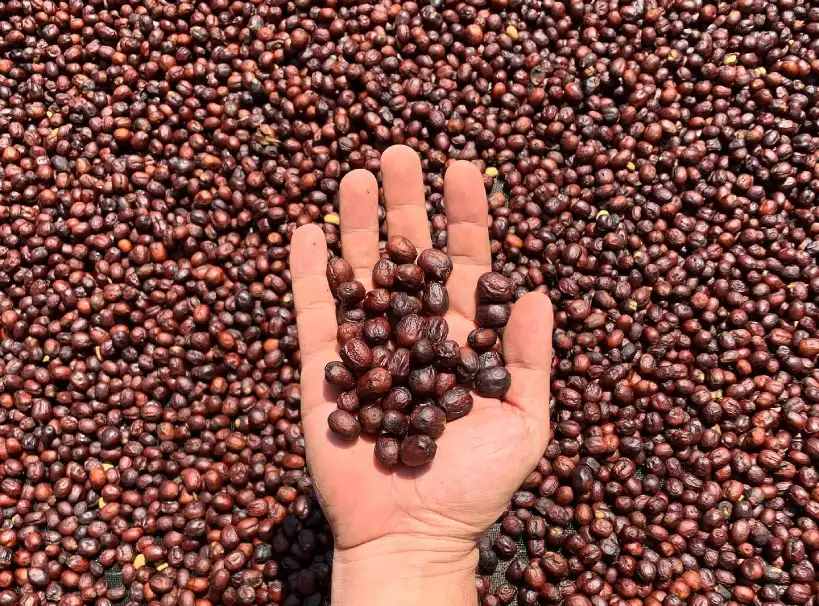
Is it just coffee harvested from a smaller plot? Or does it tell us something about the coffee itself? Confusingly, the answer is a bit of both. Keep reading to see what I mean.
What Does Micro Lot Coffee Mean?
Microlot coffee is not well-defined, like many terms in the specialty coffee industry. Indeed, there isn’t even consensus on “microlot,” “micro lot, “ or “micro-lot.”
The definition often varies depending on who you ask. This is a problem because, without a single meaning throughout the coffee supply chain, the term loses its value.
In general, a micro-lot of coffee is coffee traceable to a particular region — so specific that each bean experiences the same climate, soil, altitude, and processing.
We define microlot coffee in one of two ways. Most often, it is coffee grown on a small plot of a single farm. Alternatively, it is the coffee that’s been processed through a particular washing station on a single day. Regardless, the critical factors are that the coffee is traceable and pure. It foremost preserves the unique flavor characteristics of a specific region.
The definition of microlot doesn’t require a certain coffee quality, but most microlots are specialty grade. Growing and processing a small lot of coffee beans separately requires more time and expense from the farmer, so they aim to grow better coffees that fetch higher prices.
The polar opposite of a micro-lot is a blend, which can contain coffees from different regions, different countries, and even different continents.
Why Choose A Microlot Coffee?
The popularity of micro-lot coffee is rising with the emergence of coffee’s third wave (1). Coffee lovers are increasingly interested in the source of their coffee, including the growing region, conditions, and processing, because these factors give a coffee its unique qualities.
These days, single-origin coffee can mean many things. With a country like Brazil growing 30% of the world’s crop, a single-origin Brazilian coffee can be no different from a blend. After all, Brazil has states that grow more coffee than any country in the world.
A microlot coffee ensures the coffee drinker is getting a distinct taste experience.
Conscientious consumers also care about how their coffee is grown in regard to environmental, social, and economic sustainability. Micro-lots make it easier to track these factors.
The primary advantage of a micro-lot for coffee farmers is identifying and cultivating higher quality coffee lots to achieve higher prices. For a detailed look at the economics of micro-lots, check out this video.
Cultivating a micro-lot can also establish long-term relationships between producers and coffee buyers because the feedback from buyers is easier to implement on a small scale. According to Ubion Terra of O’Coffee Brazilian Estates, this is good for all involved (2).
It helps a lot in maintaining the quality or even improving the quality if you are connected directly… It helps both parties in this process.
For the buyer or roaster, a micro-lot coffee is a chance to offer customers something unique for which they’ll be willing to pay a premium. In many ways, the term microlot holds the same cachet once owned by “organic” or “fair trade,” terms that have fallen out of favor in the last decade.
Want to try a micro-lot coffee yourself? They’re often available through subscription services, or try our top picks for African coffee or coffee from Honduras.
What’s The Difference Between Microlot And Nanolot Coffee?
A nanolot coffee is just a smaller microlot. The definition is essentially the same – a crop of coffee that has experienced identical conditions throughout its production and processing – but the volume of coffee is even smaller. Nanolots often produce as little as a few bags of green coffee beans per season, making them exceptionally rare and valuable.
Final Thoughts
Third wave coffee is here to stay, so the odds are that micro-lots are as well. The most critical next step is to establish a consistent definition. Additionally, producers, buyers, and roasters can take advantage of modern technology to facilitate coffee tracing.
Given its potential to benefit everyone in the supply chain, plus the environment and communities at origin, “microlot” is a term well worth maintaining.
FAQs
Fair Trade coffee is any coffee that has been certified by a Fair Trade organization as having been bought at origin for a fair price. There are many such organizations, so the specifics of the certification vary. Alternatively, the direct trade model describes a direct relationship between a coffee producer and a roaster. It is often considered superior as it incentivizes higher coffee quality along with ensuring fair wages for coffee farmers.
Shade-grown coffee is not an official coffee certification, but it describes coffee that’s grown under a natural canopy of trees. As compared with a sun-drenched plantation, it is less resource-intensive and enhances biodiversity (3). Some also claim shade-grown coffee tastes better.
Single origin coffee is a broad term that refers to any coffee sourced from a single country. Under the umbrella of single origin, you’ll find coffee from a single region, a specific estate, or even a particular plot of land. Microlots and nanolots are extreme examples of single origin beans.
References
- McIntyre, E. (2017, January 19). What (Exactly) is “Third Wave Coffee”? Retrieved from https://magazine.crema.co/third-wave-f6479681dcf9
- Ospina, A.K.M. (2018, October 25). Understanding Single Origin, Single Farm, & Micro/Nano Lot Coffee. Retrieved from https://perfectdailygrind.com/2018/10/understanding-single-origin-single-farm-micro-nano-lot-coffee/
- Buechley, E.R. (n.d.). Why is shade-grown coffee good for birds and farmers? Retrieved from https://conbio.org/groups/sections/africa/act/why-is-shade-grown-coffee-good-for-birds-and-farmers
