
WHAT IS THERMOBLOCK? IS IT BETTER THAN THERMOCOIL AND BOILER?
The thermobloc vs. thermocoil boiler debate is real. Let’s see what’s it all about.
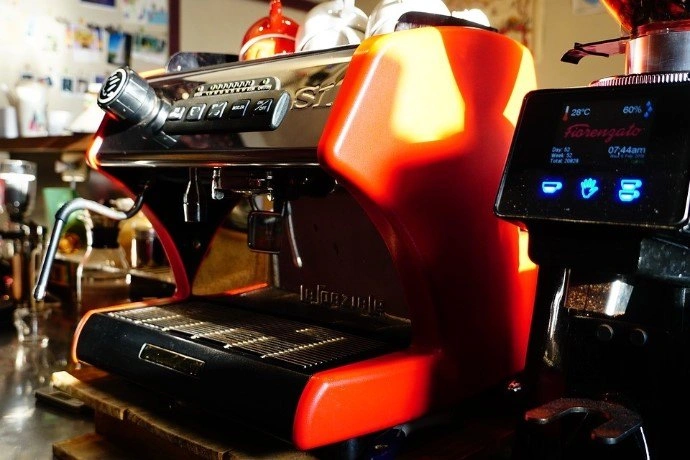
The key to fantastic espresso is consistency. The quality of coffee depends on a consistent grind, tamp, and brew temperature. How do great espresso makers deliver shot after shot at the perfect 200 ℉?
Today, three primary technologies are used for espresso machine heating systems: Thermoblocks, Thermocoils, and boilers. In this article, I’ll explore the benefits and drawbacks of each to help you choose the right type of heating element for your needs.
What Is A Thermoblock?
A thermoblock system is a block of metal embedded with heating elements. Brew water from the reservoir picks up heat as it travels through the block, exiting at the desired temperature. Though only in contact with the thermoblock for a short time, the water can flash heat to temperatures high enough to generate the steam for a steam wand.
The simplest thermoblocks are made from two plates of metal with a spiral route cut into it for the water to travel through.
A gasket compressed between the two pieces prevents the system from leaking. The thermoblock is often put near the group head to provide indirect heating of the brew chamber.
Aluminum, brass, and stainless steel are common materials for quality thermoblock heating systems. Some thermoblocks use a composite design with stainless steel pipes encased in an aluminum body.
Some automatic espresso machines use a thermoblock for steam and a boiler for the brew water. This allows the thermoblock to do what it does best – heat water quickly – while avoiding the pitfalls of its inconsistency.
What Are The Pros And Cons Of Thermoblock?
Thermoblock coffee machines tend to be less expensive to produce, and they heat the water for espresso very quickly. They are energy efficient as they only heat small amounts of water at a time. However, they lack consistency and durability compared to other heating methods.
What Is The Difference Between Thermoblock Vs Thermocoil?
Thermoblocks and Thermocoils are different heating systems that work on the same principle. In a Thermocoil heating system, a single water pipe runs through a metal block embedded with a heating element. The body of the thermocoil is usually aluminum, while the embedded pipe may be copper or stainless steel.
Thermocoils are a modern iteration of the Thermoblock and offer several advantages. Because they are one-piece units, they last longer and suffer fewer leakage issues. They heat up faster and have better water temperature consistency. The only downside is that they are more expensive, but the price is coming down as the technology evolves.
What Is The Difference Between A Thermoblock Vs Boiler?
Many home espresso machines come with Thermocoils and Thermoblocks, but high-end prosumer and commercial machines all use boilers. Thermoblock espresso machines are smaller, cheaper, and much faster to heat up, but boiler machines are the gold standard when it comes to temperature accuracy and stability (1).
A traditional boiler is essentially just a metal water tank coupled to a heating element. Most boilers are stainless steel, copper, or brass. Modern espresso machines use three standard boiler designs: single boiler, dual boiler, and heat exchanger.
Single Boiler
Single boiler espresso machines use one boiler to produce hot water for the extraction of espresso and milk steaming. Because you need different temperatures for brewing and steaming, having only one boiler means you can’t do both simultaneously. This makes a single boiler heating system a poor choice for latte and cappuccino fans (2).
Heat Exchangers
Heat exchanger systems were developed to overcome the inherent limitations of single boilers.
The boiler in these systems directly heats water for steam. The brew water runs through a copper line coiled inside the water in the main boiler. As the water travels along the line, it picks up heat from the steam reservoir to hit a temperature sufficient for espresso brewing, allowing a barista to pull a shot and steam milk at the same time.
Ernesto Valente’s Faema E61 was the first pump-driven espresso machine to use a heat exchange heating system (3). It was released in 1961, and his group head design remains prominent even today!
Double Boilers
Double boiler espresso machines have two boilers, each with their own heating unit – one for steam and one for coffee brewing. With separate espresso and steam boilers, not only can you brew and steam simultaneously, but you never have to worry about a long series of milk drinks interfering with your brew temperature.
Many commercial espresso machines use dual boilers as they must churn out consistent espresso shots and milk drinks all day.
Double boiler systems offer the best control of temperature and steam power, but they have several disadvantages. They are bulkier than other heating systems, involve considerable complexity and corresponding cost, have long preheating times, and are not very energy efficient.
The Verdict: Is Thermoblock Or Boiler Better?
The best heating system depends on where you are in your coffee journey. For many home users, it makes sense to choose a Thermoblock or Thermocoil machine for brewing espresso. They’re quick to heat up, cost-effective, energy-efficient, and compact.
For commercial users or more serious home coffee lovers, a traditional boiler machine is a better choice. What it lacks in convenience, it makes up for in unparalleled temperature stability and control.
FAQs
A ThermoJet is a proprietary technology available in the newest Breville espresso machines. We aren’t allowed to know the details of how it works, but it heats water to brew temperature in just 3 seconds!
A dual boiler can be better than a heat exchanger, depending on your needs. A double boiler will give better control over the brew temperature and steam pressure and suffer from fewer temperature fluctuations. However, compared to heat exchangers, they are bulkier, more expensive, and take longer to adjust the temperature.
Dual thermoblock machines use independent thermoblocks and heaters for the steam function and coffee extraction. While this doesn’t overcome their issues with temperature consistency, it means you can brew coffee and produce steam for frothing milk simultaneously.
References
- Aloe, RM. (2021, September 7). Water Temperature for Espresso. Retrieved from https://towardsdatascience.com/water-temperature-for-espresso-1abe656b54d3
- Stamp, J. (2012, June 19). The Long History of the Espresso Machine. Retrieved from https://www.smithsonianmag.com/arts-culture/the-long-history-of-the-espresso-machine-126012814/
- Guerra, A. (2019, July 11). Barista Guide To Buying a Home Espresso Machine. Retrieved from https://perfectdailygrind.com/2015/01/barista-guide-to-buying-a-home-espresso-machine/
