
BEST SUSTAINABLE COFFEE BRANDS: HOW TO BUY ETHICAL COFFEE
Here’s my list of sustainable and ethical coffee companies that care equally about people, the planet, and a delicious cup of coffee.
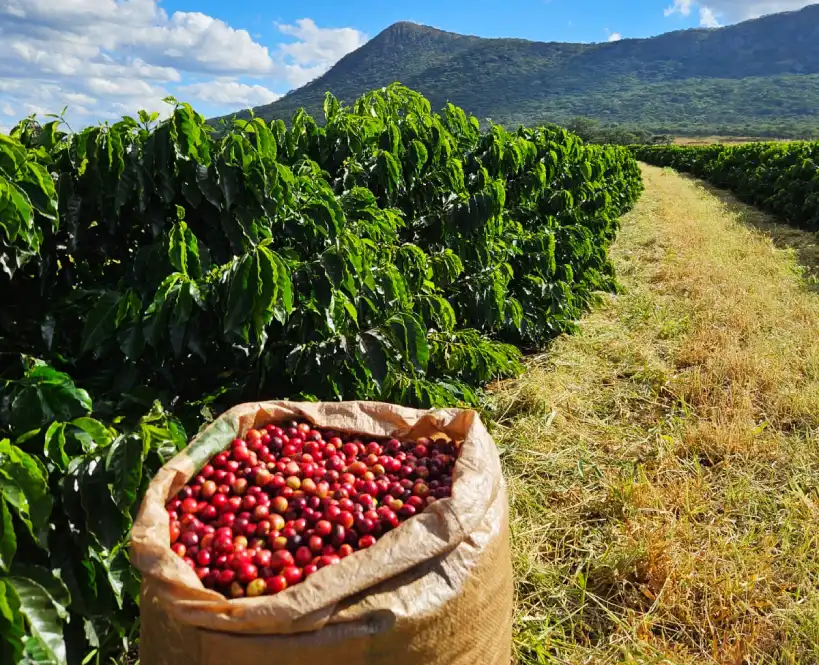
We all love great-tasting coffee. But, to paraphrase the famous saying, what if you could have your coffee and drink it too? I’m talking about amazing coffee that’s sourced, shipped, roasted, and packaged with an eye on sustainability.
In this article, I’ll round up 8 sustainable coffees that feel as good on your conscience as they taste in your cup.
At A Glance:
- OUR TOP PICK: DRIFTAWAY COFFEE
- FOR COLD BREW: Wandering Bear Coffee
- GREAT VALUE: Salt Spring Coffee
The 8 Best Sustainable Coffee Brands in 2026
Producing eco-friendly and ethically sourced coffee need not be a losing proposition, according to the president of the Committee on Sustainability Assessment, Daniele Giovannucci (1).
It is possible to get much closer to sustainability. We simply need the courage to make it a priority that is part of and not separate from profit
This is especially true with conscientious consumers like you who are willing to seek out and support sustainable brands. With that in mind, here are 8 fantastic brands who know that profits are only part of the equation.
| image | product | details | |
|---|---|---|---|
|
Driftaway Coffee Subscription |
|
|
|
Wonderstate Coffee |
|
|
|
Larry’s Coffee |
|
|
|
Counter Culture Coffee |
|
|
|
Stumptown Coffee |
|
|
|
Salt Spring Coffee |
|
|
| No products found. | Wandering Bear Coffee |
|

1. Driftaway Coffee Subscription
Location: Brooklyn, New York, USA
- Certifications: Direct Trade
- Roastery features: Energy-efficient roaster, Purchasing carbon offsets
- Packaging: 100% compostable
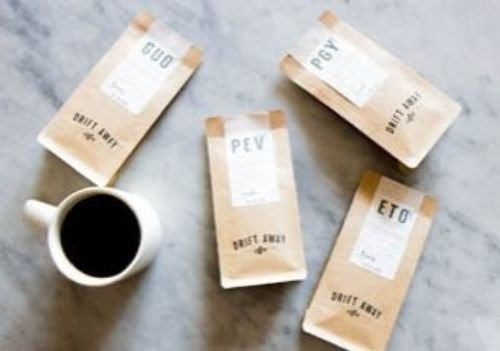
Driftaway Coffee’s tagline, “Sustainable Coffee for People and Planet,” tells you all you need to know.
Their list of sustainable practices is as impressive as their list of high-quality coffee!
Driftaway is working toward carbon neutrality by adapting its business and purchasing carbon offsets. E-commerce is already significantly more energy efficient than retail outlets, and they minimize shipping and travel to limit emissions.
As a woman-led business, they aspire to elevate the importance of women in the coffee industry – a topic near and dear to my heart. They attempt to source at least 50% of their green coffee from women-owned farms.
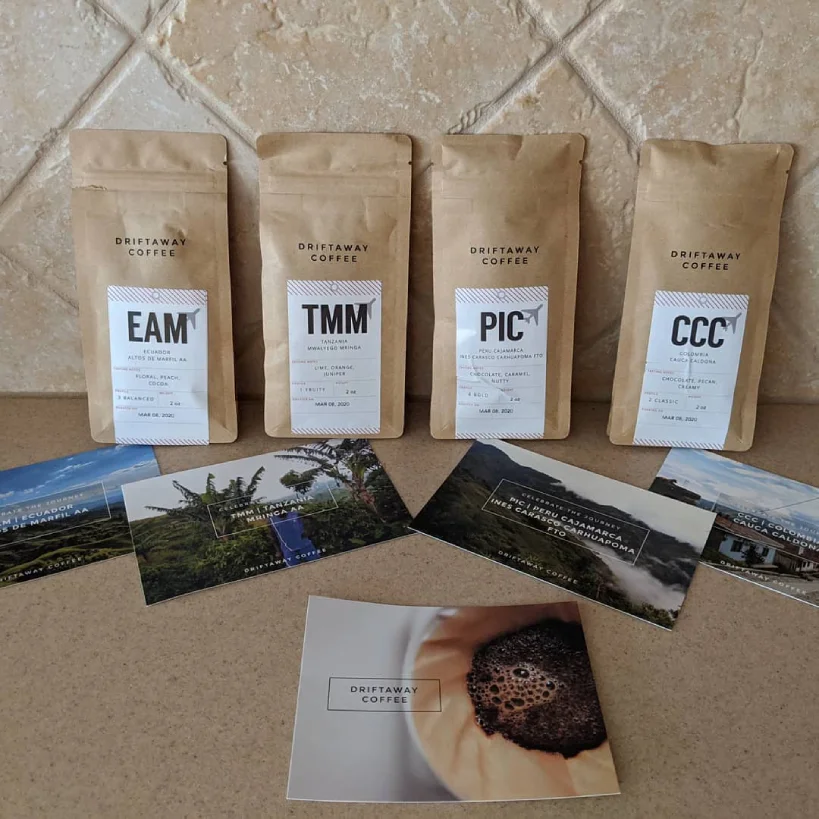
Most Driftaway coffee is roasted using the ultra-efficient Loring roaster, and for every pound roasted, they donate 5 cents to World Coffee Research. As of 2019, their packaging is 100% compostable.
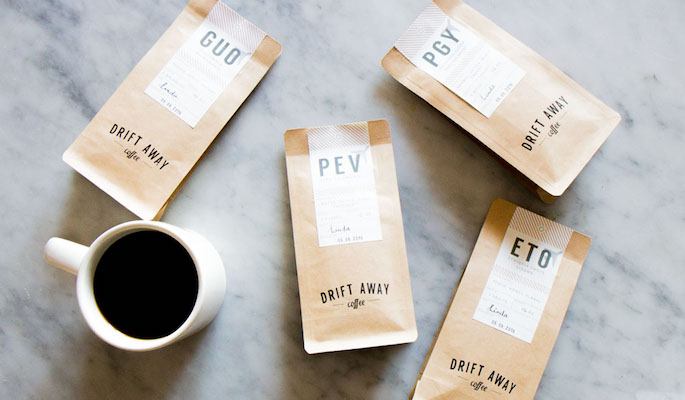
Give it a try! Home Brews Coffee readers can sign up for a Driftaway subscription using code HG50 to get 50% off their first order. You’ll receive five small bags of coffee to sample in a guided blind taste test led by a coffee professional. This will establish your taste profile, so Driftaway can send you coffee that matches your preferences.
2. Wonderstate Coffee
Location: Viroqua, Wisconsin, USA
- Certifications: Organic, Direct Trade
- Roastery features: 100% Solar powered
- Packaging: Compostable other than the zipper and valve

Wonderstate Coffee takes pride in going well beyond Fair Trade price minimums, skipping the third-party certification process in favor of what they call “sourcing for the collective good.” Coffee is chosen based on taste, ethos, and community practices.
Using this Direct Trade model, they pay producers an industry-leading 55% above Fair Trade practices and 29% above for organic coffee. This system puts farmers rather than market forces at the forefront. As a result, Wonderstate has access to some of the best coffees around the world. In fact, they won Roast Magazine’s “Micro Roaster of the Year” in 2010 (2).
Wonderstate’s Wisconsin headquarters is one of very few 100% solar-powered coffee roasters, and they purchase carbon offsets for their wholesale shipping. Each year, they donate 5% of their profits to community-based initiatives.
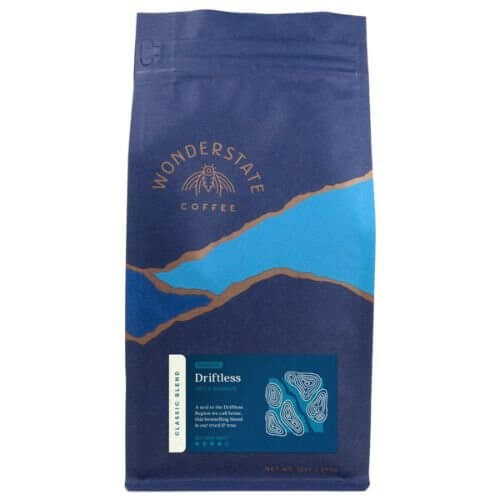
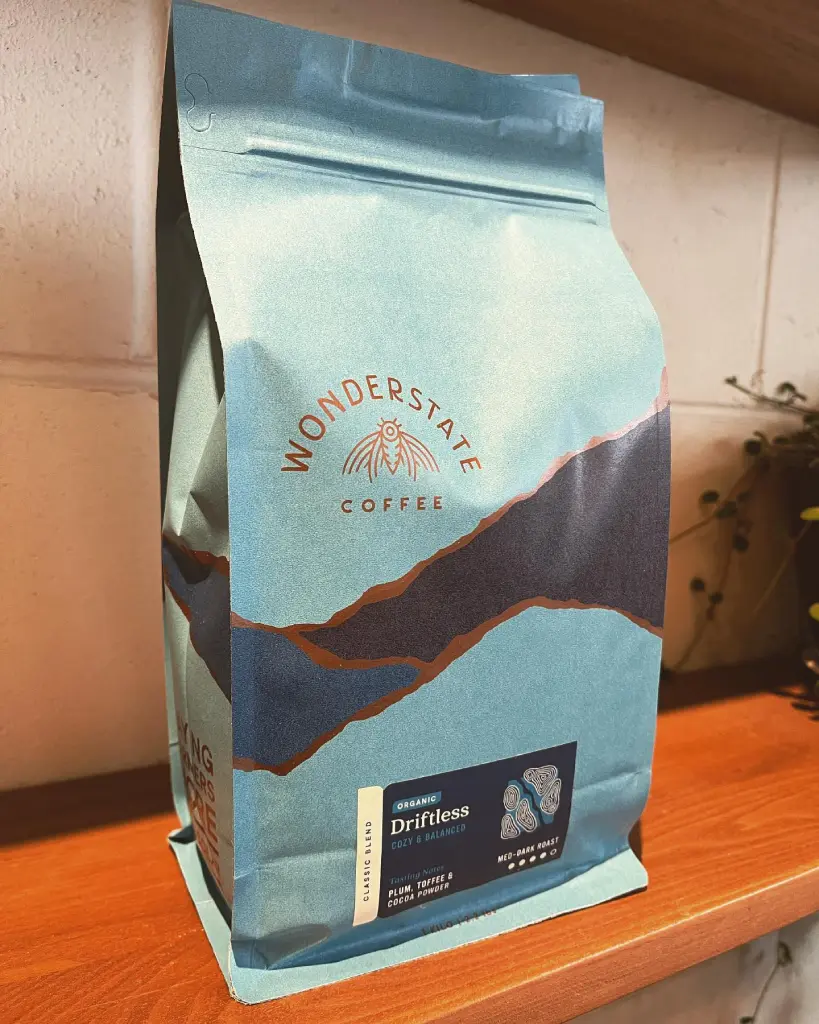
Give it a try! Wonderstate’s best-selling coffee blend is the Organic Driftless, a cozy and balanced medium roast. Blending Central and South American beans, it features the crowd-pleasing flavor notes of toasted almond, toffee, and cocoa powder, with a graham cracker finish.
3. Larry’s Coffee
Location: Raleigh, North Carolina, USA
- Certifications: B Corp, Organic, and Fair Trade
- Roastery features: Passive solar energy, rainwater-fed bathrooms, on-site compost
- Packaging: Biodegradable bags, Recyclable K-Cups
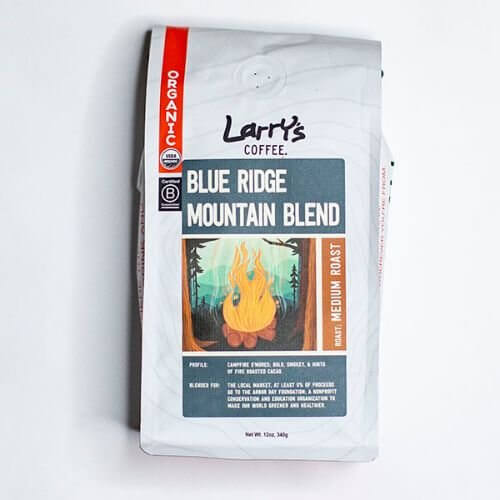
Larry’s Coffee’s sustainability practices extend to every aspect of coffee production, from ethical sourcing through distribution.
They source only organic, fair trade, and shade-grown coffee, including the ground coffee in their line of fully recyclable coffee pods.
Better yet, they buy exclusively from small coffee farms that would otherwise have little say in their treatment and pay. Their ethos is to treat farmers like partners, not suppliers.
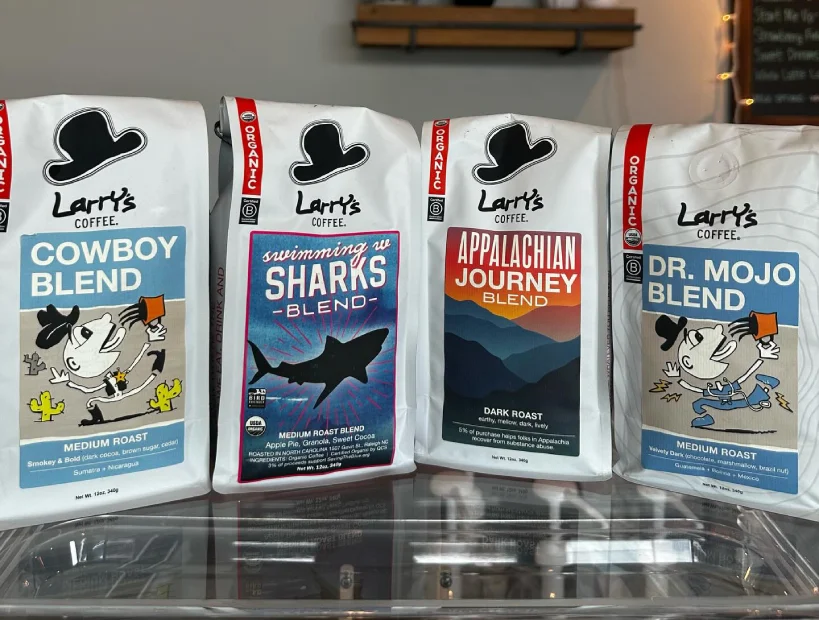
Just as impressive as their coffee sourcing is their roasting facility. It has a unique passive solar “clearstory,” uses rainwater to supply the bathroom, and has on-site composting to minimize food waste.
Give it a try! If you want to sample Larry’s Coffee, I’d recommend one of their excellent sample packs, which include three 12-ounce bags of coffee bundled at a substantial discount. It’s a great way to explore the diversity of the brand and track down your new favorite beans.
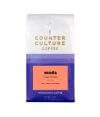
4. Counter Culture Coffee
Location: Durham, North Carolina, USA
- Certifications: Organic, B Corp, Direct Trade, Rainforest Alliance
- Roastery features: Minimizing waste through compost and recycling
- Packaging: 60% compostable Biotre
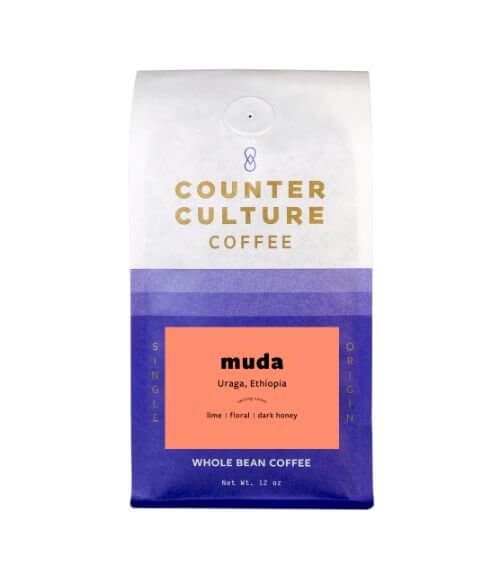
Counter Culture Coffee is one of the original sustainable coffee brands. They were founded over 20 years ago, paving the way for many others in the coffee industry.
In 1997, they were Sanctuary Coffee, one of the first brands to highlight shade grown and bird-friendly coffee. Five years later, they became the first certified organic coffee roaster in America. While Counter Culture continues to prioritize certified organic coffee, they’re also developing a more well-rounded gauge of sustainability on the farm.
In 2012, they received the Green Plus Sustainable Enterprise of the Year Award. More recently, they’ve recently launched a series of Climate Change Adaptation Workshops, using research-backed science to help fortify farms against a changing climate.
Most important, from a coffee quality standpoint, is their policy of guaranteed contracts with farmers. These provide farmers with the incentive to grow the best coffee and the financial freedom to experiment in the quest for greatness.
Give it a try! Counter Culture’s single-origin coffees are particularly impressive. I’m currently in love with the Ethiopian Muda coffee, a unique medium-light roast with notes of lime, florals, and dark honey.
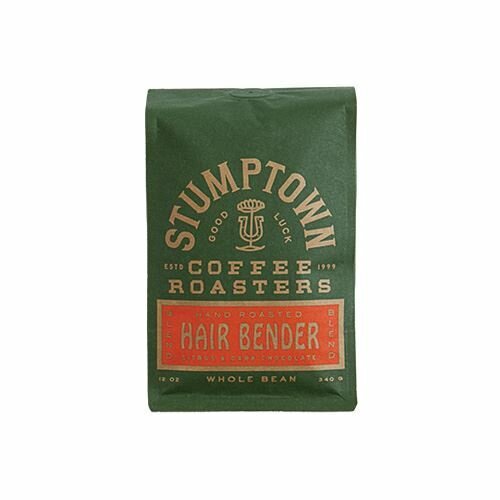
5. Stumptown Coffee
Location: Portland, Oregon, USA
- Certifications: Direct Trade, B Corp
- Roastery features: Powered by solar offsets, Emissions limited
- Packaging: 60% compostable Biotre
Stumptown has committed to sustainability throughout the coffee supply chain, factoring in economic, social, and environmental impact. They’re a member of the B Corporation club, having achieved the status in 2019.
Their sourcing relies on a Direct Trade model, which they helped pioneer nearly 20 years ago. They take a relationship-driven approach, with their team on the ground in growing regions roughly half the year, talking to farmers and seeking out the highest-quality beans. In 2019, they sourced over 90% of their coffee from farmers with whom they’d worked for 3+ years.
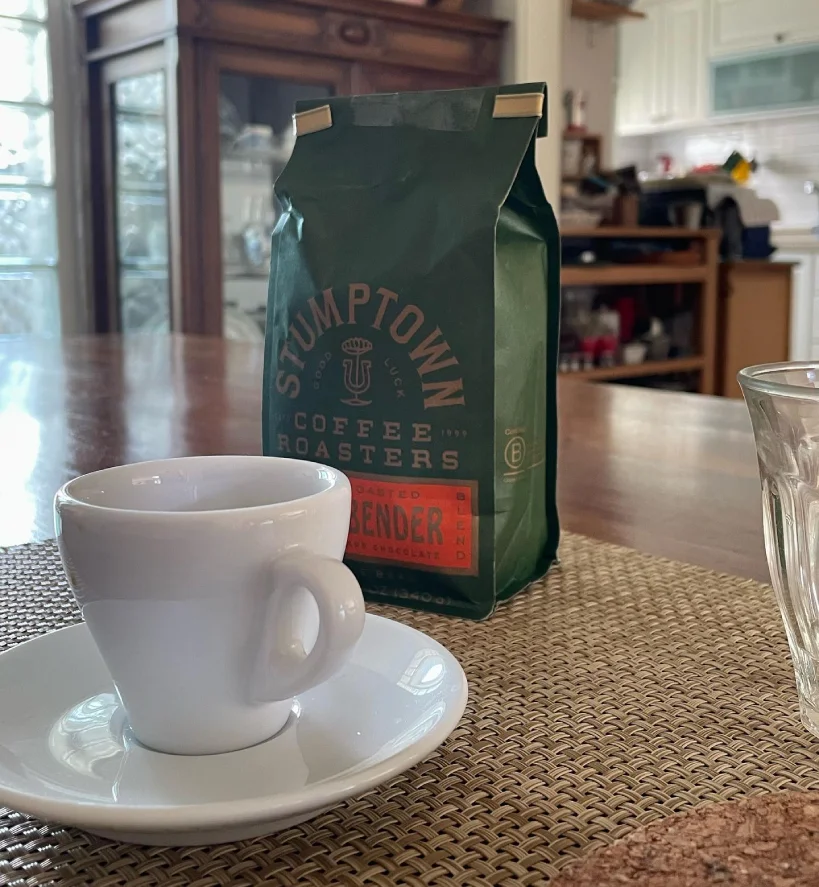
Instead of tying coffee prices to market forces, Stumptown pays farmers based on coffee quality using the international Q grading system. This ensures farmers receive fair wages and incentivizes them to produce the best coffee.
Give it a try! To sample what Stumptown is all about, grab a bag of their most popular blend, the Hair Bender. This sweet and balanced brew mixes beans from South and Central America, Africa, and Indonesia. With a rich flavor and luscious body, it’s perfect for espresso or French Press.
6. Salt Spring Coffee
Location: British Columbia, Canada
- Certifications: Organic, Fair Trade, B Corp
- Roastery features: 97% waste diversion
- Packaging: Recyclable (in B.C. only)
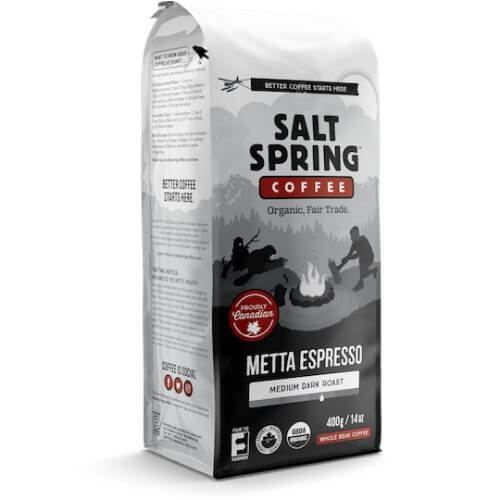
Salt Spring Coffee began as a small family-run business but quickly expanded thanks to a growing fan base. Based on Canada’s west coast, Salt Spring Coffee’s sustainability policy is embodied in their “quadruple bottom line” strategy: people, planet, profit, and purpose.
Salt Spring Coffee is not just a B Corp; they’ve been awarded B Lab’s Best for the World three times, meaning they go above and beyond what the certification requires. On top of that, they’re a member of 1% for the Planet, with at least 1% of their annual sales donated to environmental causes.
All Salt Spring Coffee is certified Fair Trade and Organic. They are active in coffee-growing regions, building relationships with coffee farmers and establishing sustainable farming practices. Twenty years ago, they started the Fair to Farmer Fund, providing money to coffee origin projects.
Give it a try! Salt Spring’s Metta Espresso is a personal favorite. It’s a classic medium-dark espresso blend of coffees from Sumatra and Latin America, with a heavy body, velvety mouthfeel, and smooth flavors of chocolate, caramel, and cherries.
7. Wandering Bear Coffee
Location: New York City, New York, USA
- Certifications: Organic
- Roastery features: n/a
- Packaging: Fully recyclable
Wandering Bear started as two graduate students trying to fuel their studies during the hot NYC summer. They set about to make the strongest and smoothest cold brew while minimizing their environmental footprint. Mission accomplished!
Wandering Bear sources certified organic coffee beans from small farms and co-ops in Colombia, Mexico, Nicaragua, and Peru. These regions are known for smooth and clean coffees with sweet flavors of chocolate, nuts, and ripe fruits.
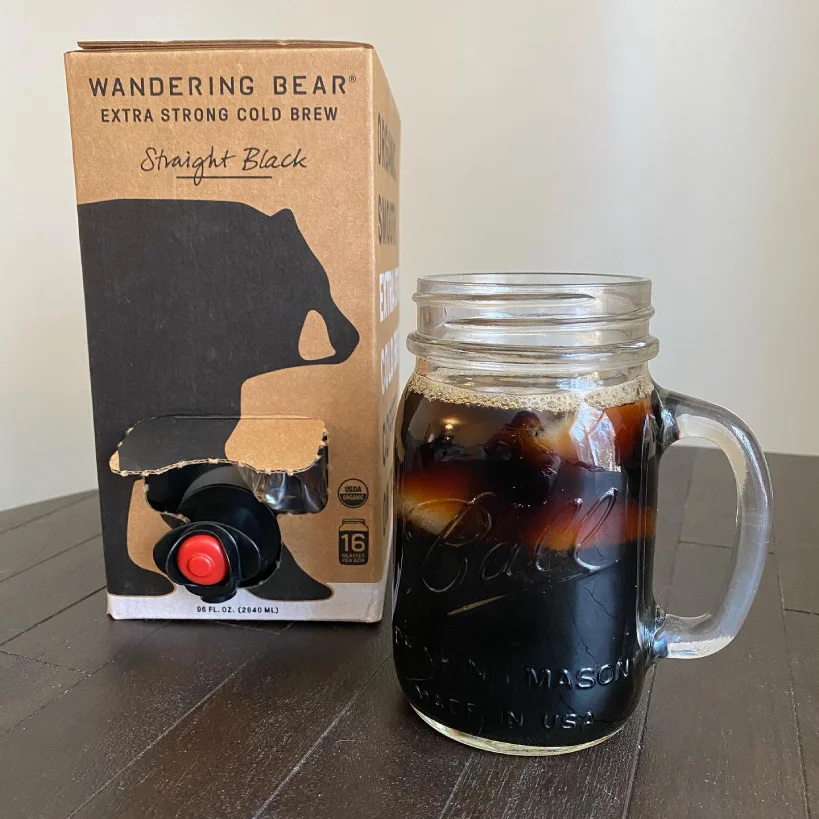
They made their name by being the first coffee company to offer boxed cold brew coffee on tap, which is not only ultra-convenient but cuts way down on packaging.
Wandering Bear now offers single-serve products to meet consumer demand, but they’ve maintained their sustainable ethos. Their K-Cups and resealable cartons are fully recyclable, with the carton lids made from sugarcane!
Read our full Wandering Bear Coffee review to learn more.
Give it a try! Wandering Bear Cold Brew is available black or flavored with hazelnut or vanilla, all of which are delicious. The 96-ounce box will keep you caffeinated for a while, and you can recycle it when you’re done.
How to Choose the Best Ethical Coffee Brands
Sustainable coffee is one of the most popular coffee trends among millennials, something brands are quick to exploit. It’s important to find a coffee company whose values align with yours in terms of social responsibility and environmental impact, which is often easier said than done.
I’m here to help you out with this buyer’s guide. I’ll clarify the technical stuff, like certifications and energy efficiency, so all you need to worry about is delicious flavor.
Check for Certifications (and Know What They Mean)
There are dozens of possible coffee certifications, but a few carry more weight than others. Here are some of the most common and what they promise.
Organic
Organic coffee is grown without the use of chemicals, including additives, pesticides, and herbicides. Because organic certification can be time-consuming and expensive, many small farmers using sustainable agriculture practices never receive the official designation. So don’t immediately discount a brand that isn’t labeled “organic.”
Rainforest Alliance
Compared with organic certification, a Rainforest Alliance certification is more holistic and lacks any specific criteria. Independent, third-party auditors award it to products that support social, economic, and environmental sustainability.
Fair Trade
Fairly traded coffee occurs when a coffee producer is paid a fair price for their coffee. There is no single Fairtrade certification, but rather several bodies capable of designating Fair Trade coffee. As a result, many feel that Fair Trade-certified coffee has lost its impact (3).
Direct Trade is a similar system but is in many ways better. In this case, the producers and purchasers build direct relationships free of middlemen. This not only ensures coffee farmers receive fair prices but also leads to better quality coffee for consumers.
Bird-Friendly
Bird-Friendly coffee is grown in a way that preserves or promotes habitat for birds. Awarded by the Smithsonian Migratory Bird Center, it is one of the most rigorous coffee certifications. The coffee must be organic, along with additional criteria like shade-grown, plant species diversity, and canopy cover.
B Corporation
B Corp is a designation awarded by the non-profit B Labs. It’s for a brand rather than a specific product. B Corporations are those that seek to create value in the world beyond shareholder profit – a fundamentally new philosophy for running a corporation (4).
Energy Efficiency Throughout the Product Chain
The best sustainable coffee companies take energy consumption into account throughout the supply chain, including shipping, roasting, and distribution.
Look for coffee brands that take pains to minimize their carbon footprint and those that purchase carbon offsets for the inevitable emissions inherent in the coffee business.
Top brands use green building strategies to make their headquarters super-efficient, often becoming community leaders in green design. This can include passive solar heating and light, solar power, other renewable energy sources, reclaiming rainwater, on-site compost and recycling, LEED certifications, and so on.
Don’t Forget About the Packaging!
Packaging accounts for 3% of a coffee product chain’s total carbon footprint, so brands genuinely concerned about climate change won’t overlook this factor.
Unfortunately, sustainable packaging is easier said than done. Good coffee packaging needs to be waterproof, airtight abrasion resistant, and shelf-stable for up to a year — no easy task for sustainable materials (5).
For eco-friendly coffee brands, look for recyclable or biodegradable coffee bags made from materials like rice paper, wood pulp, bamboo, cornstarch, cellulose, and sugarcane. Also, be sure to check what is recyclable in your area, as different plants have different capacities.
The Verdict
For a coffee company that truly values sustainability across the product chain while delivering exceptional specialty coffee, it’s hard to beat Driftaway Coffee.
Driftaway is an industry leader in transparency and traceability, providing consumers complete access to where their coffee was grown, who grew it, and what they were paid. Couple that with carbon neutrality, charitable donations, and compostable packaging, and the delicious flavor in the cup almost feels like a cherry on top!
FAQs
The most sustainable coffee chain is difficult to define, as it depends on your definition of sustainability and the criteria you prioritize. A 2021 report by Brightly evaluated seven major US coffee chains and rated Blue Bottle Coffee as the top sustainable chain (6).
The most ethical way to buy coffee is to look for brands that are completely transparent with their practices from farm to cup. Looking for coffee certifications is a great start, but it isn’t the whole story. For example, an organic-certified roaster might not treat coffee growers fairly. Or a Fairtrade coffee might come from a sun-drenched monoculture devoid of biodiversity.
Starbucks coffee is becoming more sustainable, but it still has a way to go compared to the brands on this list. They source some certified organic and fair trade coffee, but it’s a minority in their product line-up.
References
- Boydell, H. (2018, November 15). Sustainability in Coffee: What Are the Main Issues? Retrieved from https://perfectdailygrind.com/2018/11/sustainability-in-coffee-what-are-the-main-issues/
- Roast Magazine (2020). Roaster of the Year Competition. Retrieved from https://www.roastmagazine.com/roasteroftheyear/
- Subramanian S. (2019, July 23). Is fair trade finished? Retrieved from https://www.theguardian.com/business/2019/jul/23/fairtrade-ethical-certification-supermarkets-sainsburys
- Kim, S., Karlesky, M.J., Myers, C.G., Schifeling, T. (2016, June 17). Why Companies Are Becoming B Corporations. Retrieved from https://hbr.org/2016/06/why-companies-are-becoming-b-corporations
- Fornero, L. (2020, September 2). How Sustainable is Your Coffee Packaging? Retrieved from https://perfectdailygrind.com/2020/09/how-sustainable-is-your-coffee-packaging-mtpak/
- Brightly. (2021). Most Sustainable Coffee Chain Ranking. Retrieved from https://brightly.eco/most-sustainable-coffee-chain-ranking/
