
BEST COLOMBIAN COFFEE REVIEW: 7 PICKS FROM OUR COFFEE EXPERT
Our picks for best Colombian coffee brands include Driftaway, Peet’s and Out of the Grey Coffee.

Photo: Home Brews Coffee
Colombia is one of the world’s largest coffee producers, known for producing high-quality coffee. I know Colombian beans were the first I encountered when I started researching specialty beans. Clearly, that’s because of the region’s popularity. But what makes Colombia’s coffee so special? I’ll delve into that in this article.
So, read on for our picks of the top Colombian coffee brands, plus insider tips on buying, brewing, and enjoying.
The Best Colombian Beans in 2026
| IMAGE | PRODUCT | DETAILS | |
|---|---|---|---|
|
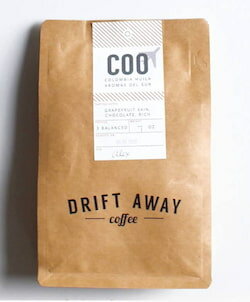
Driftaway Colombia Nariño Tablón De Gómez |
|
|

|
Out Of The Grey Colombia Viennese |
|
|
|
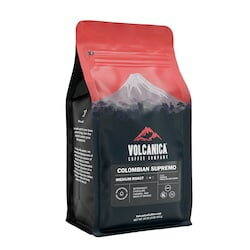
Volcanica Coffee Colombia Supremo |
|
|
|
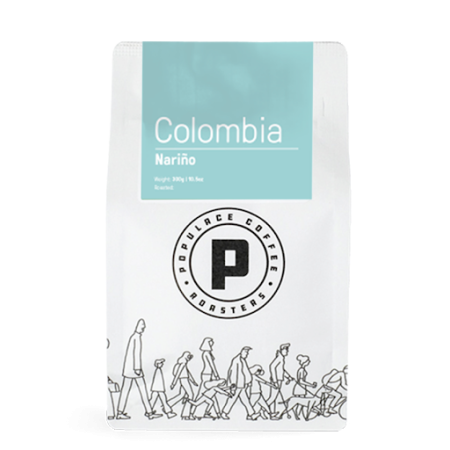
Populace Coffee Colombia Nariño |
|
|
|
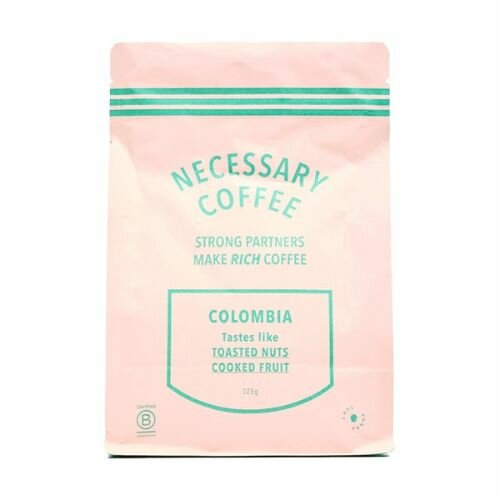
Necessary Coffee Colombia |
|
|
|
Blue Bottle Colombia Bilbao Los Vascos |
|
|
|
Peet’s Colombia |
|







Avoid picking up Colombian coffee from your local supermarket if possible. Why? Because it’s probably not the best quality, and it’s definitely not fresh roasted coffee. Instead, follow this review for the list of the best brands that have been hand-picked by our expert team.
1. Driftaway Colombia Nariño Tablón de Gómez
Roast level: Light-medium
- Tasting notes: Honey, lemon, golden raisin
- Ground or whole bean: Both
These specialty beans from Driftaway Coffee are sourced from high in the mountains of the Narino region in the south of Colombia. The harvest comes from several smallholder farms, which grow Caturra and Castillo beans at altitudes of 5,600-6,900 feet.
After wash processing and a light-medium roast, the beans develop the bright and balanced flavor profile that indicates good high-altitude Colombian beans. There’s a delicate aroma from honey, sweetness from golden raisins, and acidity from notes of lemon.
Driftaway is one of the most sustainable coffee brands on the market. It has introduced measures such as avoiding air travel for sourcing trips, using a reduced-emission Loring coffee roaster, and offsetting its carbon footprint with Cool Effect. Driftaway is a certified B Corporation, and they proudly report the prices paid to every coffee farmer – which are well above Fairtrade minimums.
2. Out Of The Grey Colombia Viennese
Roast level: Dark
- Tasting notes: Dark chocolate, citrus
- Ground or whole bean: Both
Dark roast lovers are often overlooked by the specialty coffee industry, with roasters preferring lighter roasts to show off the quality of their beans. But this premium Colombian coffee from Out of the Grey is a rare and noteworthy exception.
The Vienna roast provides the sweetness, body, and rich flavors of a dark roast coffee without sacrificing the single-origin character.
This coffee is a great choice for brewing with a metal filter to highlight its heavy body and syrupy mouthfeel – think French press, espresso machine, or Moka pot. It has the expected robust dark chocolate flavor but also a bright note of citrus acidity that takes it out of the ordinary.
Out of the Grey roasts and grinds to order, so your coffee always arrives at peak freshness. You can choose between six different grind sizes to match your brewing method, and you can even order a decaf version of these beans.
3. Volcanica Coffee Colombia Supremo
Roast level: Medium
- Tasting notes: Bittersweet chocolate, caramel, orange
- Ground or whole bean: Both
Volcanica Coffee is always a reliable brand for premium coffee at a reasonable price. They roast daily, grind to order, and ship for free, making them a great option for online coffee shopping.
The Volcanica’s Colombian supremo coffee is the perfect crowd-pleasing medium roast coffee. I can’t think of a coffee more likely to appeal to everyone – plus, it’s suitable for every brewing method. These beans deliver a smooth coffee with a rich mouthfeel and full body. It’s a delicately sweet coffee with notes of bittersweet chocolate, toasted nuts, and creamy caramel enhanced by just a hint of orange acidity.
This delicious coffee is fair trade certified and is also available in a decaf version that is no less flavorful, if you’re looking for an evening sipper.
4. Populace Coffee Colombia Nariño
Roast level: Light
- Tasting notes: Caramel, grapefruit
- Ground or whole bean: Both
A good light roast should be bright and lively with acidity without straying too far towards sour. Populace Coffee nailed it with this Colombian single origin. The beans are a blend of the Caturra, Castillo, and Colombia varietals, all produced by smallholder farmers at high elevations in the Nariño region.
We recommend brewing this one as a pour over to maximize its subtle flavors. This washed process coffee delivers a silky-smooth brew with a medium body. It features grapefruit acidity balanced by wonderful sweet notes of caramel and molasses.
5. Necessary Coffee Colombia
Roast level: Medium
- Tasting notes: Chocolate, toasted nuts, cooked fruit
- Ground or whole bean: Both
What defines a great espresso? Opinions might vary, but I’d venture a sweet, smooth, and full-bodied coffee. Add a thick layer of crema and a complex but well-balanced flavor. Sound good to you? Then you’ll want to pick up a bag of Colombian from Necessary Coffee.
Necessary Coffee is an offshoot of the renowned Passenger Coffee, founded to promote sustainable and approachable specialty coffee. That means sourcing top-quality coffees, paying coffee growers top-quality wages, and roasting with the skill to deliver crowd-pleasing flavors.
Their Colombian coffee is a perfect example of this ethos. It combines Caturra, Colombia, and Castilla varietals for a balanced cup with rich flavors of chocolate, toasted nuts, and jammy sweet fruit. It’s lower in acidity than many Colombian coffees, a perfect gateway into specialty brews.
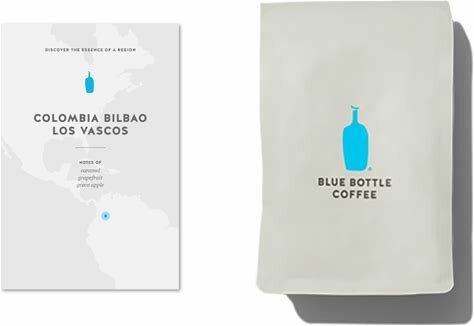
6. Blue Bottle Colombia Bilbao Los Vascos
Roast level: Light-medium
- Tasting notes: Caramel, grapefruit, green apple
- Ground or whole bean: Whole bean
Blue Bottle whole bean coffee isn’t cheap but is always worth the splurge. The brand never misses when it comes to sourcing the best quality coffee and roasting it to perfection. This light-medium roasted single-origin coffee from the Bilbao region in Colombia is stunning.
The beans are grown at high elevations up to 5900 feet, yielding bright flavors of grapefruit, green apple, and caramel.
It’s a vibrant certified Organic coffee that is exceptional when brewed cold. The long, slow, cold immersion tames the acidity while maintaining the flavor complexity. It’s featured in Blue Bottle’s canned cold brew and is also the bright component of their beloved Hayes Valley Espresso Blend. It’s also a delicious pour over or iced coffee option, but be prepared for more acidity than you might be used to.
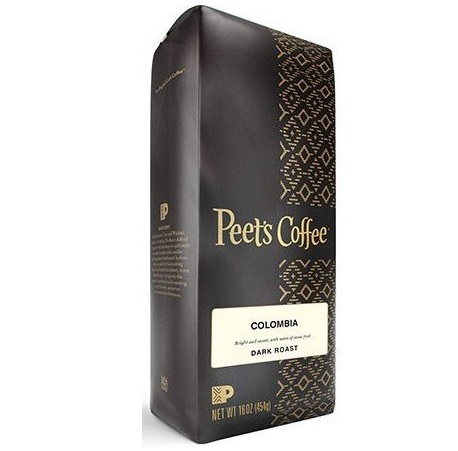
7. Peet’s Colombia
Roast level: Dark
- Tasting notes: Caramel, toasted nuts, citrus
- Ground or whole bean: Both
Peet’s Colombia is a high-quality coffee without the hipster price tag to match. These dark-roasted beans showcase the classic Colombian profile balancing sweetness and acidity, with notes of caramel, toasted nuts, and bright citrus. This is a robust and full-bodied coffee, perfect as an espresso or the foundation of a milk-based drink.
Not a dark-roast fan? Peet’s also offers a lighter roasted coffee blend, Colombia Luminosa, which incorporates Ethiopian beans for additional floral aromatics. The resulting bag of coffee is one of their most popular blends, with a pleasantly mild, smooth flavor and delicately sweet aromas.
Why Buy Colombian Coffee?
Colombia is one of the largest producers of specialty coffee in the world, which puts it in the unique position of exporting incredible beans at reasonable prices. The Colombian coffee is known for perfectly balancing sweetness and acidity. These are crowd-pleasing brews that are easy to sip and enjoy.
What To Consider When Buying Colombian Coffee Beans
The most important things to consider when buying single-origin Colombian coffee are quality and flavor.
Quality can be assured by sticking with reputable brand names like the ones on this list. Avoid Amazon, other online marketplaces, or the grocery store unless you can get reliable information about sourcing and roasting dates.
Flavor is more about personal taste. You can read tasting notes and reviews, but the best way to find your favorite beans is just to sample as much as you can. You’ll soon discover if you prefer nutty, fruity, or chocolatey coffees.
Consider your brewing method of choice when buying beans. Bright coffees that make exceptional pour overs may taste sour when extracted with an espresso machine. Darker roasts might be perfect in a latter but overly bitter as a cup of black coffee. And remember to match your grind size to your brewer if you’re buying ground coffee.
What type of roast should you get?
Good Colombian coffees are some of the most versatile around thanks to their inherently well-balanced flavor profile. So no roast level is off-limits!
It’s up to you to identify your personal favorite. Lighter roasts will taste brighter and more acidic, with fruit and citrus notes dominating. Darker roasts will be sweeter and feature chocolate, caramel, or nutty flavors.

Should you think about ethics?
Always aim to make ethical coffee purchases. Coffee production occurs primarily in developing nations, while consumption occurs in developed nations. This dichotomy makes it ripe for exploitation. Additionally, coffee in Colombia is heavily impacted by climate change, so consider sustainability when browsing coffee brands.
Companies with good ethics will be proud to report on their work. Do your research, and advocate with your wallet. We’re proud to endorse the brands on this list.
What Makes Colombian Coffee Special?
The coffee industry is big business in Colombia. They are the world’s third-largest producer, accounting for 12% of total global coffee production. This puts them behind only Brazil and Vietnam, but unlike those two, Colombia grows almost exclusively high-end Arabica beans.
Colombia produces some of the world’s best coffee beans. Why? The answer is largely environmental. Like all top coffee-growing regions, Colombia falls in the coffee belt. It is blessed with fertile soil, a mild climate, and high elevations, and coffee is grown mostly in the shade. These conditions are ideal for producing high-quality coffee beans with complex flavors and pronounced acidity.
Colombia’s two main growing regions are the highlands of the Sierra Nevada of Santa Marta and the slopes of the Andes mountains. Most coffee is produced in the large central region around Medellin, which is known as the Colombian coffee-growing axis or the Colombian coffee triangle.
However, according to a new study, global warming will likelyshift these boundaries (1). The elevations at which coffee beans are grown high in the Colombian Andes will need to increase.
The Andes Mountains cross the country from its southwest to northeast corner. In the future, it will be more beneficial to grow coffee higher up in the mountains.
Farmers who can’t afford to move risk losing their livelihoods, and Colombian coffee will suffer as a consequence (2).
Which is better, Colombian or Brazilian coffee?
Most experts would agree that Colombian coffee is better than Brazilian coffee. Of course, both nations make some truly fabulous and truly terrible coffees.
Brazil is the world’s largest coffee producer but lacks the high elevations needed to grow flavorful specialty coffee. It’s a “quantity over quality” green coffee beans producer, with about 30% of its coffee being lower-quality Robusta. In contrast, Colombia has some of the best coffee farms in the world, and the coffee exported is almost exclusively Arabica beans.
What does Colombian coffee taste like?
Traditional Colombian coffee flavor profile shares similarities with other South American coffees like coffees from Bolivia, Brazilian beans, and Venezuelan coffee. Tasters regularly describe it as mild and balanced coffee with a medium, silky body and cleanness in the cup. Acidity levels are medium to high, yielding a bright and lively brew.
The classic Colombian profile…brings together a mellow acidity and a strong caramel sweetness, perhaps with a nutty undertone.
Typical Colombian coffee flavor profile notes include chocolate, sugar cane or caramel sweetness, toasted nuts, floral hints, traces of tropical fruits, red berries, apples, or citrus. Aromas tend towards citrus, fruits, and hints of spice.
- Caturra beans are considered to be some of Colombia’s finest. This coffee has a medium body and bright acidity.
- Castillo coffee is worth mentioning for its popularity as well as controversy within Colombia (3). Bred to resist coffee rust, it shares a genetic heritage with robusta beans, which leads many to doubt its quality. Castillo coffee has a smooth body, fragrant aroma and citric acidity.
Is Juan Valdez coffee good?
The Colombian Growers Federation or Federación Nacional de Cafeteros de Colombia (FNC) created the character of Juan Valdez in 1959, an incredibly successful and long-running marketing campaign that no other coffee-growing nation has matched (4).
Colombian coffee and the Juan Valdez coffee brand are synonymous for many coffee drinkers, but that does more nuanced Colombian coffee a disservice. While Juan Valdez brews have better flavor than typical budget brands like Folgers or Maxwell House, they are far from the best the country produces.
Check out this Juan Valdez Coffee Organic Medium Roast if you want to try it yourself. We think it’s the best of the brand.
How To Make Colombian Coffee
Now that you’ve bought the Colombian coffee, it’s time to brew it. Colombian beans are incredibly versatile, making every brewing method viable. But certain roast levels take better to certain methods.
- Darker roasts make exceptional espresso, French press, and Moka pot brews. Being high in acidity and mild in flavor, these beans can be roasted dark and brewed strong without the risk of overt bitterness.
- Medium and lighter roasts shine in the drip coffee maker, as pour over brews, or in the Aeropress thanks to their balanced flavors and smooth, full-bodied mouthfeel. Colombia’s capital even hosts an Aeropress Championship to enhance the brewing culture within the country (5).
The high level of acidity also means Colombian coffees make wonderful cold brews. The cold brewing process tames the acidity without leaving you with a bland or flat-tasting cup.
How do Colombians brew coffee?
Tinto, which roughly translates to “inky water,” is the coffee of the people (6). It’s widely available on the streets in Colombia for as little as ten cents a cup. Tinto is not renowned for its high quality but rather for its contribution to the nation’s coffee culture. If you are in Colombia, you must try a cup of Tinto.
The Verdict
Colombia and coffee are inextricably linked, and I hope this article has given you some insight into why. Ideal growing conditions for coffee and a commitment to exporting only the finest Arabica coffee beans have left this South American nation with a well-deserved golden reputation.
Any of the coffees on this list are a wonderful way to sample coffee from Colombia for yourself. Our top pick is the Driftaway Colombia Nariño Tablón de Gómez coffee, a light-medium roast with delicate flavors of honey, lemon, and golden raisins. Plus, you’ll enjoy it even more knowing that Driftaway is one of the most sustainable coffee brands.
FAQs
Colombian Supremo is the top grade of Colombian coffee as classified by size. Supremo are the largest Colombian coffee beans, one rank higher than Excelso. The Colombian Supremo coffee designation is not necessarily correlated with the best flavor, but the largest beans are often the highest quality.
No, Colombian coffee isn’t high in caffeine. It has approximately the same amount of caffeine as any Arabica coffee, which is about 100 mg per brewed cup of coffee. Increase your coffee-to-water brewing ratio for more caffeine, or try the more highly caffeinated Robusta beans.
No, Colombian coffee isn’t known for having a strong flavor. It is more often described as mild, sweet, and smooth. However, there are always exceptions. Many darker roast Colombian coffees have bolder flavors and heavier bodies.
The type of coffee that comes from Colombia is almost exclusively Arabica, with the exception of a few individual coffee farms experimenting with Robusta. The most widely grown Arabica variety on the coffee farm in Colombia is Caturra, and Typica, Castillo, Colombia, Bourbon, and Geisha are also common.
Colombian Peaberry coffee is a special grade of Arabica coffee grown in Colombia. It occurs when the coffee cherry develops with only one bean rather than two. Many coffee enthusiasts believe the single bean absorbs more nutrients and produces a more flavorful cup of coffee.
References
- Ceballos-Sierra, F. & Dall’Erba, S. The effect of climate variability on Colombian coffee productivity: A dynamic panel model approach, Agricultural Systems, Volume 190, 2021, 103126, ISSN 0308-521X, https://doi.org/10.1016/j.agsy.2021.103126
- Frost, R. (2021, April 8). Could climate change spell the end of Colombian coffee? Retrieved from https://www.euronews.com/green/2021/04/08/could-climate-change-spell-the-end-of-colombian-coffee
- Knowledge at Wharton Staff. (2013, January 2). Coffee in Colombia: Waking Up to an Opportunity. Retrieved from https://knowledge.wharton.upenn.edu/article/coffee-in-colombia-waking-up-to-an-opportunity/
- Portal de transparencia FN Cafeteros de Colombia (FNC). (n.d.). Retrieved from https://federaciondecafeteros.org/
- Sherfey, J. (2016, May 25). 3 Top Recipes From The Colombia AeroPress Championship. Retrieved from https://sprudge.com/colombian-aeropress-championships-100478.html
- Wiley, C. (2017, March 31). Colombia Is Finally Starting to Drink Its Own Coffee. Retrieved from https://www.vice.com/en/article/8qjeka/colombia-is-finally-starting-to-drink-its-own-coffee
