
COFFEE FROM INDIA: ALL ABOUT THE BEST INDIAN COFFEE BEANS
Coffee production in India is becoming increasingly high quality, making this a great time to sample the up-and-coming origin!
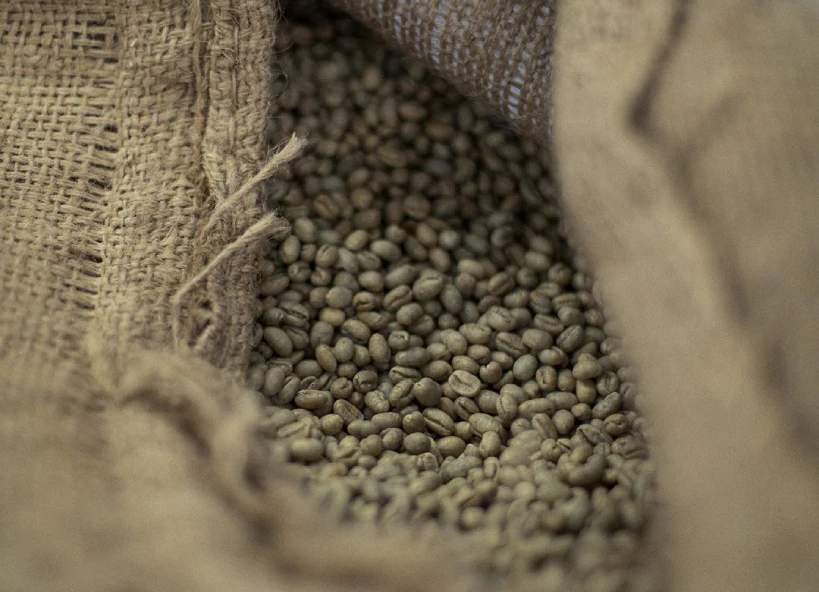
It may surprise you to learn that India is an emerging coffee growing region currently gaining some well-deserved attention from experts. The country has a long history of growing Robusta coffee beans, but in recent years, farmers have been producing high-end Arabica beans to rival the world’s best.
In this article, I’ll explore India’s expanding coffee production and suggest the best ways for you to taste the delicious results.
At A Glance:
- TOP PICK: Volcanica Monsson Malabar AA
- RUNNER UP: Deckan Coffee Indian Peaberry Giri Estates
- BEST FOR ESPRESSO: Out of the Grey Indian Monsoon French
The 3 Best Indian Coffees in 2026
For decades, India has provided the world with Robusta beans found in espresso blends and instant coffee. However, it has only recently emerged as a player in the specialty Arabica market. Here are three great coffees showcasing this latest development.
| image | product | details | |
|---|---|---|---|
|
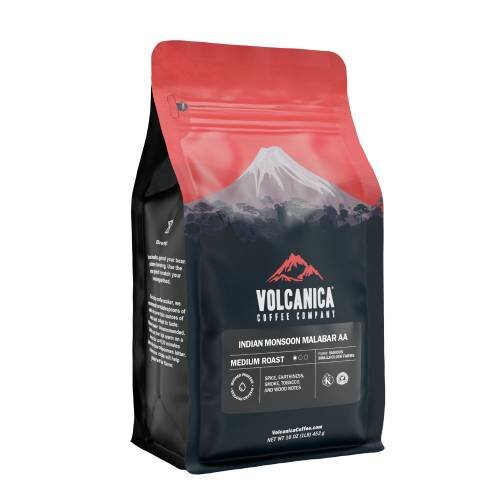
Volcanica Monsoon Malabar AA |
|
|
| No products found. | Deckan Coffee Indian Peaberry Giri Estates |
|
|
|
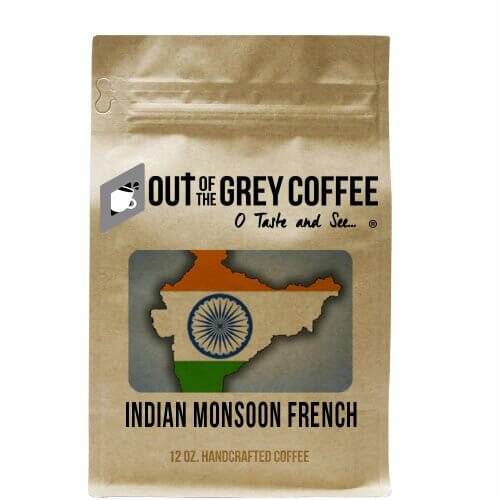
Out of the Grey Indian Monsoon French |
|


1. Volcanica Monsoon Malabar AA
Roast level: Medium
- Tasting notes: Spice, earthiness, tobacco, smoke
- Best for: French press, Moka pot, espresso
- Ground or whole bean: Either

To get a feel for India coffee, I suggest first sampling these unique beans. These coffee beans go through a specific process found nowhere else in the world, yielding a coffee with a distinct earthy flavor, low acidity, and full-bodied texture.
Volcanica Coffee’s Monsooned Malabar uses top-grade AA beans sourced from various small farmers. A Rainforest Alliance certification ensures this coffee was grown with a commitment to environmental, social, and economic sustainability.
When tasting this coffee, I detected notes of earthiness, warm spices, and smoke, with hints of aromatic wood and tobacco. This admittedly odd-sounding combination worked only because it was so beautifully smooth, with low acidity and pronounced natural sweetness. Try it with a brewing method that showcases its rich texture, like a French press or Moka pot.
2. Deckan Coffee Indian Peaberry Giri Estates
Roast level: Medium
- Tasting notes: Caramel, ripe fruit
- Best for: Pour over, Aeropress
- Ground or whole bean: Whole bean
Peaberry coffee is rare, so it’s always a special treat. It results from a natural mutation in which a coffee fruit produces a single bean rather than two. That single bean absorbs all the nutrients it usually shares, producing what many believe to be a sweeter and more flavorful brew.
This example from Deckan Coffee Roasters certainly supports that theory. It has a light acidity and a smooth body, but its defining characteristic is its surprising sweetness. I tasted rich caramel, juicy tropical fruit, and a hint of warm spice like nutmeg. If you usually add sugar to your brew, you might no longer find it necessary.
The coffee is grown in the Giri Mountains of the Karnataka region of southern India, one of the country’s main coffee regions. Because peaberries must be hand-picked and sorted, only the finest beans make the cut.
3. Out of the Grey Indian Monsoon French
Roast level: Dark
- Tasting notes: Chocolate, smoke, orange zest, stone fruit
- Best for: Espresso, cold brew
- Ground or whole bean: Either
Out of the Grey Coffee is a relative newcomer to the coffee scene, but in a few short years, it has grown from a small family-run cafe to a specialty roaster. This Indian Monsoon coffee is a fine example of their expertise in sourcing and roasting.
The beans are given a dark French roast to highlight the unique characteristics of Indian monsooned coffee.
Despite the heavy roast, I found this coffee to be very complex. A deep chocolate flavor with a touch of smoke was beautifully balanced by the sweetness of ripe peach and a hint of orange zest acidity.
The combination of intensity and complexity makes this a lovely choice for espresso – or even as the basis for a delicious cappuccino.
Buying Guide: All About Coffee From India
This guide has everything you need to know about the past, present, and future of the coffee farming industry in India. Read through it to learn all about this up-and-coming origin and how to buy the best India coffee beans.
History Of Coffee In India and Growing Regions
The story of how coffee came to India is one of the better ones in coffee history. It is said to have been smuggled there from Yemen, at great personal risk, hidden in the beard of Brother Baba Budan. Baba Budan established the first coffee plantations in Karnataka, in southwest India, in the 16th century (1).
Today India is the 7th largest coffee producer globally, and the southern region continues to dominate the cultivation of coffee plants. The leading coffee-growing areas are Karnataka, Kerala, and Tamil Nadu, with Karnataka accounting for over 70% of production. Some coffee is also grown to the east in Andhra Pradesh and Odisha.
Most coffee in the country is shade-grown. This is due to the climate’s demands, but a happy side effect is the rich biodiversity it promotes. In fact, the Western and Eastern Ghats are one of 25 biodiversity hotspots of the world.
What Coffee Comes From India?
The two main species of coffee are Arabica and Robusta, and both are grown extensively in India. Robusta is the leading coffee crop, accounting for about 70% of production, though this number is falling.
Specialty coffee fans generally prefer Arabica beans because they are sweeter and have more subtle flavors, like these bucket list coffees. But Robusta beans have their place as well. They’re easier to grow, providing a more reliable income for coffee growers, and often contribute a dark richness to espresso blends.
How are they different?
If coffee beans in India have a defining feature, it’s the Monsooned Malabar coffee – now a protected term. Long before talk of terroir or specialty origins became commonplace, India had this unique offering.
Originally, Monsooned Malabar coffee was a happy accident. Green coffee beans traveling from India to England on ships were exposed to the monsoons’ winds and rains along the Malabar Coast. This process caused them to swell, grow pale in color, and take on a distinct flavor. Today, this processing is done in a much more controlled fashion designed to mimic the exposure of an ocean journey.
Flavor
Gourmet coffee grown in India is usually described as sweet, mild, and lower in acidity than other coffees, though the specifics can vary between specific regions and farms.
The monsoon processing method, in particular, mutes the beans’ intensity and lowers the acidity. Anyone looking for an ultra-smooth brew will love this coffee (2).
The wetting process that the beans go through almost neutralizes the pH, which creates a very mellow cup.
The flavors tend to be earthy and woody, with notes of chocolate, spices, and nuts, and a syrupy body — similar to coffee beans grown in Thailand. Monsooned coffee is often compared with Sumatran coffee, which undergoes a similar wet process.
Taste and Quality
Coffee from India has historically been considered lower quality than specialty regions like Colombia or Ethiopia, but that is changing.
Both foreign and domestic drinkers are developing a taste for quality Indian Arabica coffee.
Coffee consumption is growing in India, particularly in the southern states, but they still export over 70% of beans. This is mainly to European countries like Italy and Germany, although North American and Asian buyers are fueling a market for specialty and micro-lot coffees.
Coffee Grades
The Coffee Board of India grades coffee in India using a complicated grading system that extends to all types of coffee beans, including Robusta. I won’t dive into the nuances, but essentially beans are graded based on their moisture and size. AA is the highest grade of Monsoon Malabar beans, and Peaberry beans are a unique category.
The Verdict
The coffee industry in India has been around for a long time, so it’s exciting to finally see high-end coffee production taking off. If you want to get in on the ground floor of what is sure to be an exceptional growing region, now is the time to try some coffee beans from India.
A great place to start is with this outstanding beans from Volcanica. It’s a taste of India’s coffee past and future all in one.
FAQs
South Indian filter coffee is a style of coffee served across southern India. Coffee is brewed in a traditional metal device similar to the Vietnamese phin that makes an ultra-strong brew. This is then mixed with frothed boiled milk and usually sugar (3).
The most famous coffee brand in India is Tata Coffee, which is over 100 years old. The brand is known for rich, bold, and aromatic coffee and is a many-time winner of the Coffee Board of India’s Flavour of India – Fine Cup Award.
India has a relatively young coffee culture, having long been a tea-drinking nation, but it is quickly growing. The most recognizable coffee drink is South Indian coffee. Traditionally, it was made with a combination of dark roasted coffee beans and chicory and sweetened with jaggery or honey.
References
- Vazalwar, M. (2017, October 31). India’s Specialty Coffee Journey: From Chicory to the Chemex. Retrieved from https://perfectdailygrind.com/2017/10/indias-specialty-coffee-journey-from-chicory-to-the-chemex/
- Mott, J. (2021, March 17). Micro lots & MonsoonMalabar: India’s future as a coffee origin. Retrieved from https://perfectdailygrind.com/2021/03/micro-lots-monsoonmalabar-indias-future-as-a-coffee-origin/
- Menon, A. (2020, November 21). South Indian Filter Coffee is Like No Coffee You’ve Had Before. Retrieved from https://food52.com/blog/25751-what-is-south-indian-filter-coffee
like
