
BEST COFFEE PERCOLATORS OF 2026: FOR STRONG COFFEE LOVERS
Do you love a piping hot and deeply flavorful percolated brew? Here are six tried and tested coffee makers just for you.
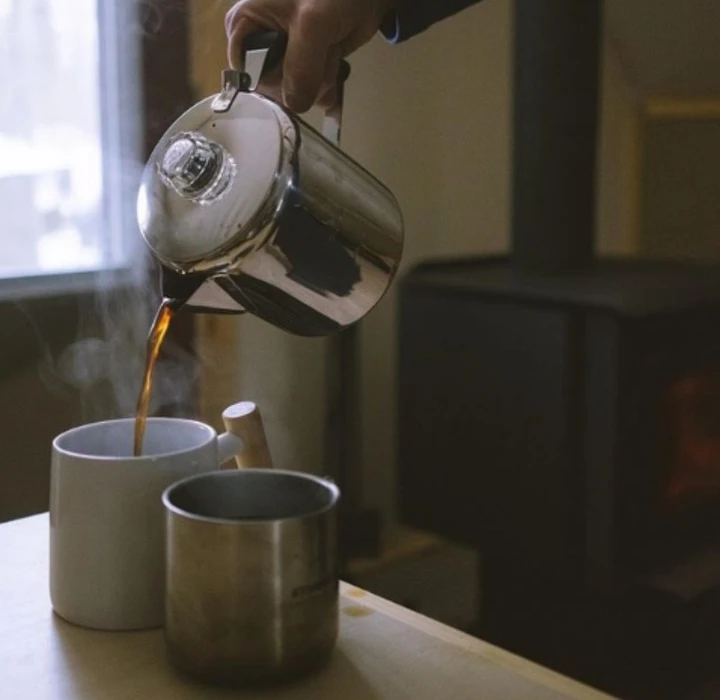
Coffee percolators often get a bad rap among coffee geeks. But if you love that extra-hot, extra-bold cup of coffee they’re known for, then you know there’s no substitute.
Avoiding the bitter coffee that gives these brewers their poor reputation is simply a matter of buying the right percolator. That’s why I’ve been buying and testing every top-rated percolator on the market for this review.
I’ll tell you the best coffee percolators to buy, what to avoid, and what features I thought were absolute must-haves.
At A Glance:
- TOP PICK: Presto Percolator
- BEST STOVETOP MODEL: Coletti Bozeman
- BUDGET PICK: Elite Gourmet EC812
The 6 Best Coffee Percolators Of 2026
The commonality between all percolators is that they all brew a very hot and strong cup of coffee. Beyond that, each is built with a specific coffee experience in mind. Whether you’re looking for a sleek, modern brewer for your countertop or a retro design for a campfire cookout, keep reading for my reviews of the top percolators this year.
By the way, there seems to be some confusion online about the difference between percolators and Moka pots, which are sometimes called “pressure percolators.” If you’re shopping for a Moka pot, check out my guide to the best stovetop espresso makers, of which my favorite continues to be the original Bialetti Moka Express.
| image | product | details | |
|---|---|---|---|
| No products found. | Presto Percolator |
|
|
| No products found. | Farberware FCP412 |
|
|
| No products found. | Coletti Bozeman |
|
|
| No products found. | Hamilton Beach 40616 12-Cup Percolator |
|
|
| No products found. | GSI Glacier Percolator |
|
|
| No products found. | Elite Gourmet Coffee Percolator |
|

1. Presto Percolator
Type: Electric
- Capacity: 6 cups, 12 cups
- Material: Stainless steel
The Presto Percolator was an easy choice for my top percolator of 2024. Even though a lot of the best electric coffee percolators look similar, this one stood out from the crowd as soon as I put it to the test.
It delivered the most reliable performance and the most premium feel – without a high price tag to match.
The Presto has clean lines and a timeless, elegant look that sets it apart from slightly more basic alternatives. I’m a fan of the curved spout, which is not only a classy touch but pours better than the simple “beak” spouts of the competition.
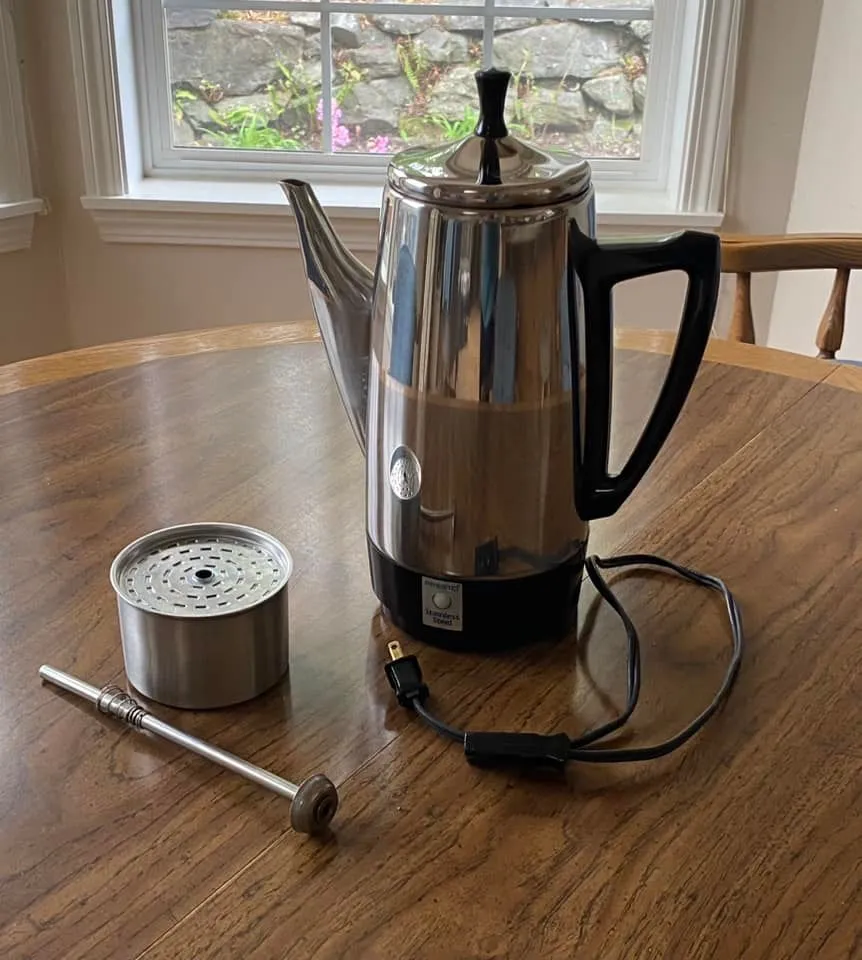
It’s available in two sizes, 6-cup and 12-cup, and like most electric percolators, the cord is detachable, so you can easily bring it to the table for serving.
The Presto is incredibly simple to use. Just add ground coffee and water and plug it in. It’s done when the ready-to-serve indicator light to switches on, at which point it automatically stops brewing and switches to Keep Warm mode. I enjoyed the coffee I brewed on my very first attempt, and it only got better as I dialed in the grind size.
2. Farberware FCP412
Type: Electric
- Capacity: 4 cups, 8 cups, 12 cups
- Material: Stainless steel
The Farberware FCP412 looks and performs similar to the Presto. It could easily be the best percolator for you, especially given that it’s available in a wider range of sizes. The only reason I gave this stainless steel percolator the runner-up spot was that I found it didn’t pour quite as well. I suffered the occasional dribble.
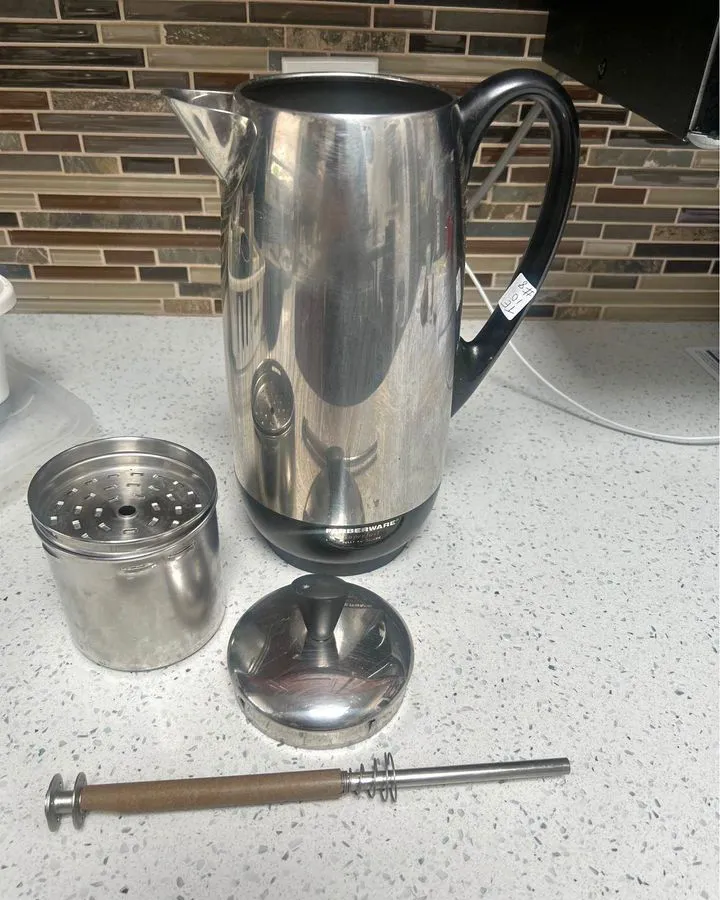
Aside from that small complaint, this is a fast and functional electric brewer that offers excellent coffee quality. The 12-cup model I tested claims to brew at a rate of about a cup a minute, but I found it even faster than that at maximum capacity. It took about 10 minutes to brew a full pot, after which it switched to Keep Warm.
3. Coletti Bozeman
Type: Stovetop
- Capacity: 6 cup, 9 cup, 12 cup
- Material: Stainless steel
Stovetop percolators are inherently simple, but the Coletti Bozeman has a few features that make it special.
The 12-cup Bozeman I tested is marked to indicate fill levels for 6, 8, 10, and 12 cups, making it easy to brew exactly the amount you want. This is great at the campsite when you likely don’t have a measuring cup on hand.
It doesn’t just have a clear glass knob but an entire glass top, so it’s easier than most to monitor the brewing progress. And the wooden cool-touch handle is as nice aesthetically as it is practical, especially when cooking on a campfire.
Finally, Coletti backs this stainless-steel brewer with a lifetime replacement guarantee, which I think is particularly impressive given that they market it as ideal for camping.
Percolators are perfect for making coffee when you’re enjoying the great outdoors. In fact, this is what percolated coffee is best known for.
They’re happy to replace it at any time, even if you damage it on a rough-and-tumble adventure—a clear indication of their confidence in its build quality.
4. Hamilton Beach 40616 12-Cup Percolator
Type: Electric
- Capacity: 12 cups
- Material: Stainless steel
Electric coffee percolators are all about convenience and consistency, and those two factors are what I loved most about the Hamilton Beach Electric Percolator.
Brewing is as simple as adding coffee and water and plugging it in. In fact, I found this brewer so quick and easy that I sometimes used it to make hot water for hot cocoa or tea because it was faster than my stovetop kettle.
It’s only available in a 12-cup size, so it’s most practical for serving a crowd or brewing yourself a big pot to last all day. While you can technically brew as little as 2 cups with this coffee machine, I found the flavor suffered when I made less than about half a pot (30 ounces).
After brewing, an indicator light alerts you that the coffee is ready to serve, and the percolator automatically switches into a keep-warm mode. One of the distinguishing features of this percolator is that Hamilton Beach uses a patented “gentle” keep-warm system. This minimizes the risk of overheating your brewed coffee, which can add burnt and bitter flavors, and is particularly valuable for anyone who likes to make a full pot to sip all day.
5. GSI Glacier Percolator
Type: Stovetop
- Capacity: 8 cup, 14 cup, 28 cup, 36 cup
- Material: Stainless steel
Percolators were the original camping coffee makers before modern innovations like the Aeropress or the Nanopresso. Thanks to their simple design, impressive durability, and ease of use, they’re still one of the best tools to have on a camping trip, especially if you’re planning to brew larger batches of coffee for a crowd.
The polished stainless steel GSI Glacier Stovetop Percolator actually comes in the largest size of any coffee maker I’ve ever encountered – a whopping 36 cups (180 ounces). I couldn’t resist testing this enormous model, and honestly, I wouldn’t recommend it. It was extremely hot and heavy when full, making it feel a little precarious to navigate around a campfire. Just buy a smaller size and brew twice if you need a bathtub full of coffee.
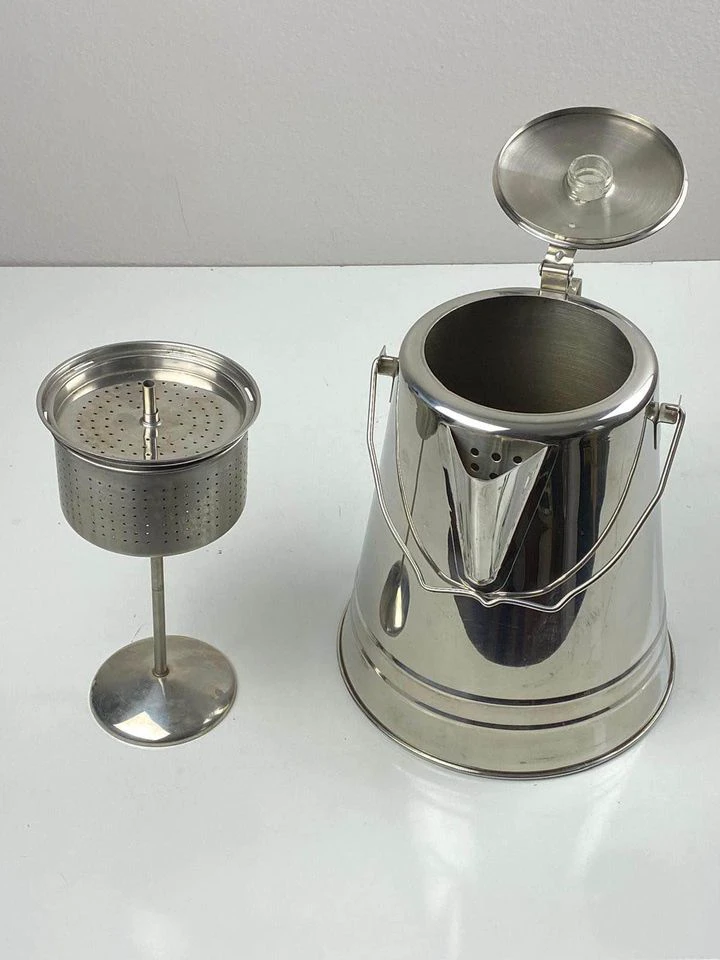
That aside, I loved using the more reasonable 14-cup model on a recent camping trip. It brews a steaming pot of thick coffee, perfect to jumpstart a chilly morning before a long hike. The clear cap makes it easy to monitor the rate of perking and adjust the heat. If you’re brewing on a fire, make sure you set the grate so you can move it to cooler and hotter locales as necessary.
GSI Outdoors is a well-established brand in the outdoor equipment space. All its products come with a lifetime warranty. The Glacier is made from dishwasher-safe heavy-gauge steel, so it’s virtually indestructible.
6. Elite Gourmet Coffee Percolator
Type: Electric
- Capacity: 6 cup, 8 cup, 12 cup
- Material: Stainless steel
If you want the simplicity of an electric percolator at a price point below even most stovetop models, turn to the Elite Gourmet EC812 electric 12-cup coffee percolator (or the smaller 6 or 8-cup versions). I was stunned to find an electric model at this price and even more stunned by how well it worked.
It has all the same features as the more expensive alternatives, including a ready-to-serve light, automatic Keep Warm function, and detachable cord.
Plus it has a glass top knob, something most electric percolators lack. I know this is less important in an electric model where you’re not controlling the heat, but I still like watching the brewing in action. I even prefer the Elite Gourmet’s more modern-looking design.
What’s the catch? I can’t speak personally to the longevity of this brewer, having only tested it for a few weeks, but after doing some research, it seems to develop leakage after long-term use. For that reason, I’d recommend this machine for a budget-focused coffee lover who only occasionally wants percolator coffee. If you plan to use a percolator daily, I’d splurge on something a bit more robust.
How To Choose The Right Coffee Percolator
There are a few key things to consider before buying a percolator. In this buyer’s guide, I’ll walk you through them to ensure you get the perfect coffee maker for your needs.
Which is better, a stovetop or an electric percolator?
The first decision to make is whether to buy a stovetop or an electric percolator. Each type has pros and cons, so your preference depends on how you plan to use your brewer.
Electric percolators have a heating element in the base and plug into a wall socket. The main advantage of this style is how easy it is to use. Once you’ve added the coffee grounds and water, it’s a hands-off process. Most electric coffee percolators even switch automatically into a keep-warm mode after brewing.
Stovetop brewers require a separate heat source, like a burner or campfire. They are more hands-on, which allows you to have more control over the brewing process. It might take some experimentation to find the ideal brewing time, but once you’ve dialed it in, you can make your coffee exactly as strong as you like it.
For a quick and easy guide, you can check our article on how to use a percolator.
The other great advantage of stovetop coffee percolators is that they don’t require electricity. This makes them popular brewers for travel, campfire cooking, or any time you want to make a great cup of coffee outdoors.
How Many People Are You Serving?
Coffee percolators come in a vast range of sizes, more so than any other style of brewer. The size you should buy depends on how many people you plan to serve, how portable you want your brewer to be, the storage and counter space in your kitchen, and how fast you want your coffee.
It’s worth investing in a large percolator if you’re planning to brew for a big crew. A coffee percolator is one of the easiest ways to make coffee for a crowd.
Most large percolators have the flexibility to brew smaller servings, making them a versatile option. But if you’ll only ever be brewing a cup or two at a time, a smaller brewer will be less expensive, faster, and more energy efficient – not to mention, more practical if you plan to use it when traveling or camping.
Why Does Material Matter?
The most common coffee percolator materials are stainless steel, enamel, and aluminum.
Stainless steel is the highest quality choice. It’s nearly impossible to damage, doesn’t rust, and won’t leach any flavors into your coffee (1). It’s easy to clean and maintain and has a polished, classy look. The trade-offs are that stainless steel is typically the most expensive option and can be cumbersome when used for a large percolator.
Enamel is only used for stovetop-style percolators. Its main advantage is that it is less expensive than stainless steel. Ceramics also retain heat well, making them an excellent choice for stovetop percolators that don’t automatically keep coffee warm (2).
Aluminum coffee makers have a bad reputation, as some consumers worry about aluminum metal leaching into their coffee. However, scientific studies have largely debunked this fear (3).
Aluminum is a metal that will gain and lose heat quickly. So, naturally, pots of this type heat quickly, but also cool quickly.
Aluminum is great for large-capacity percolators because it’s inexpensive, durable, exceedingly lightweight, and it heats and cools very quickly (4).
The Top Knob Material
Many percolators offer a clear glass or resin-based top to view your percolating coffee during brewing. This is especially important when buying a stovetop model because you need to observe the frequency of the perks to adjust the temperature correctly. A clear top is less crucial in an electric model, though it can be fun to watch the perking in action.
The Verdict
Coffee percolators are considered a bit of a retro throwback in this modern era of third-wave coffee shops and home espresso bars. But there’s a reason they’ve endured for so long. For lovers of their unique style of hot and bold-tasting coffee, there’s simply no substitute.
If that’s how you like your morning java, my recommendation is the Presto Electric Percolator. With its sturdy stainless steel construction and user-friendly features, it’s a brewer you’ll be enjoying for years to come.
FAQs
Percolators became less popular following the invention of the automatic drip coffee machine in the 1970s. Compared to percolators, drip coffee makers were faster, easier to use and clean, and (depending on your taste) brewed better-tasting coffee.
The top coffee to use in a percolator depends on how you like your coffee, but I recommend a flavorful medium roast, either a blend or a single origin. A dark roast can taste too bitter, while a light roast is prone to tasting watery or astringent. Of course, those problems can be mitigated by dialing in the grind size and/or adjusting brew time.
The main drawback of a percolator is its high brewing temperature. The water (and brewed coffee) in the lower chamber must be boiling to keep the brewing process going. So this brewing method risks over-extraction or a burnt-tasting brew. Generally, people who use percolators tend to enjoy this slightly smoky coffee flavor profile (5).
You can use pre-ground coffee in a percolator, but you’ll get better results if you use coffee that is ground slightly coarser. Similar to a French press, the metal filter basket of a percolator lets finer grounds into your brewed coffee. Plus, coffee brewed with freshly ground beans tastes better. Alternatively, you can buy special paper filters for many percolators that eliminate any sediments or coffee oils from the final cup.
References
- Free, M.L. (2001, March 12). Why doesn’t stainless steel rust? Retrieved from https://www.scientificamerican.com/article/why-doesnt-stainless-stee/
- Ceramic or Glass Coffee Cups? (2015, May 16). Retrieved from https://driftaway.coffee/coffeecup/
- Stahl T, Falk S, Rohrbeck A, Georgii S, Herzog C, Wiegand A, Hotz S, Boschek R, Zorn H, Brunn H. Migration of aluminum from food contact materials to food—a health risk for consumers? Part II of III: migration of aluminum from drinking bottles and moka pots made of aluminum to beverages. Environ Sci Eur. 2017; 29(1): 18. Retrieved from https://www.ncbi.nlm.nih.gov/pmc/articles/PMC5388725/
- Hornbacher, A. (n.d.). Steel Versus Aluminum Weight, Strength, Cost, Malleability Comparison. Retrieved from https://www.wenzelmetalspinning.com/steel-vs-aluminum.html
- How to Keep Percolators Rising to the Occasion. (1998, December 12). Retrieved from https://www.latimes.com/archives/la-xpm-1998-dec-12-hm-53098-story.html
