
BEST COFFEE FILTER: EXPERT PICKS FOR A GREAT DRIP COFFEE
How much impact does your choice of filter have on your coffee? Probably more than you think!
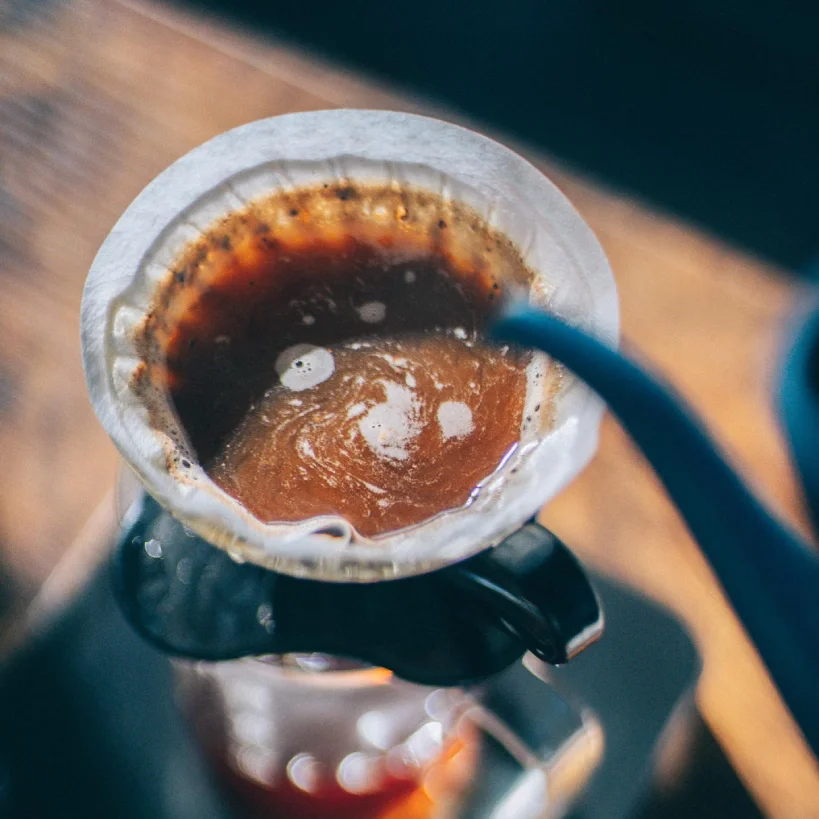
Buying the right coffee filter starts with choosing the one that fits your brewer, but that’s only the beginning. Your choice of filter also affects the body, mouthfeel, and flavor of your coffee.
Coffee filters come in many forms. I’ve spent years brewing coffee using paper, metal, and cloth filters of all shapes and sizes, and I’m here today to pass along my knowledge.
In this article, I’ll introduce eight of the best filters and, more importantly, teach you how to choose the right one to brew coffee to your taste.
At A Glance:
- TOP PICK: BeanNest Pour Over Dripper
- FOR PERFECT POUR OVERS: Hario V60 Paper Filters
- BEST SINGLE SERVE: Noalto Reusable Coffee Pod
The 8 Best Filters For Drip Coffee In 2026
In this guide to the best coffee filters, I’ve tried to select a great option in every category, so there’s something for you regardless of how you brew filter coffee.
My picks are followed by a buyer’s guide, which I think is the most useful part of this article. It walks you through choosing the filter you need to get the best cup of coffee for your taste.
| image | product | details | |
|---|---|---|---|
| No products found. | BeanNest Pour Over Dripper |
|
|
| No products found. | Melitta Paper Cone |
|
|
| No products found. | Barista Warrior |
|
|
| No products found. | Melitta Paper Basket |
|
|
| No products found. | GoldTone Reusable Mesh Coffee Filter |
|
|
| No products found. | Noalto Reusable K-Cup |
|
|
| No products found. | XFasten Organic Cloth Filters |
|
|
| No products found. | Hario V60 Paper Filters |
|

1. BeanNest Pour Over Dripper
Material: Stainless steel
- Shape: Cone
- Use for: Pour over
- Available sizes: Small, medium, large
Maybe this is a weird choice for my favorite filter, given that it’s actually a coffee maker, but I just love this practical 2-in-1 design.
The BeanNest Pour Over Dripper is the result of a partnership between a barista and an engineer, and it shows. At first glance, it looks like it might leak or leave too many fines in the cup, but it works perfectly, producing a rich and aromatic brew with just the right amount of body.
It’s ideal for travel or camping. It’s virtually unbreakable, weighs hardly anything, and doesn’t require any accessories. Though, of course, you can always put an additional paper filter inside for a lighter-bodied cup.
There are several designs similar to the BeanNest on the market, but having tried my fair share of them, I think this one offers the best combination of coffee quality and user experience.
2. Melitta Paper Cone
Material: Paper
- Shape: Cone
- Use for: Drip coffee machines, pour over drippers
- Available sizes: #1, #2, #4, #6
It’s hard to argue against Melitta when it comes to paper filters. Indeed, if you scroll down, you’ll see I also recommended them for the basket-shaped option.
Melitta Bentz actually invented and patented the first paper coffee filters in 1908, and that century of expertise is obvious (1). It’s still the top paper coffee filter brand worldwide thanks to premium paper that’s thicker than the industry standard and a double-crimped seam.
I’ve never known a Melitta filter to tear, burst, or flop over in my automatic drip coffee machine. They aren’t flashy, but they’re well-designed, well-made, widely available, and remarkably low-priced.
The basic Melitta cone paper filter is available in every size, either bleached or unbleached.
3. Barista Warrior
Material: Coated stainless steel
- Shape: Cone
- Use for: Pour over
- Available sizes: One size
Barista Warrior consistently produces high-end coffee accessories, befitting the name. I love the simplicity and versatility of this metal mesh cone filter. It works as well in my Chemex as it does in my V60, producing a rich and full-bodied brew with the barest hint of fines.
It uses a two-layer filter system, with a fine mesh inner and a laser-etched outer. The result is the bold flavor of a French press brew but with a cleaner mouthfeel and no grit or sediment.
Barista Warrior metal filters are stainless steel with either a copper or black titanium coating. The coating doesn’t impact flavor, durability, or price, so go ahead and choose the aesthetic you prefer. I’m a sucker for copper.
The silicone upper ring is conveniently grippy and heatproof, and I admire the choice of silicone to keep it plastic-free.
4. Melitta Paper Basket
Material: Paper
- Shape: Flat-bottom basket
- Use for: Drip coffee machine
- Available sizes: Regular, junior
Everything I praised about the Melitta cone-shaped filters applies equally to these basket-shaped alternatives. There’s a good reason Melitta dominates the market.
These filters come in bleached or unbleached format, are strong enough to hold 12 cups worth of wet coffee grounds without ever tearing, and cost about a penny each. What more could you ask for from a coffee filter?
The Regular (8-12 cup) size is suitable for the vast majority of coffee brewers, but if you have a small brewer, choose the Junior (4-6 cup) size instead.
5. GoldTone Reusable Mesh Coffee Filter
Material: Stainless steel and BPA-free plastic
- Shape: Flat-bottom basket
- Use for: Drip coffee machines
- Available sizes: 8-12 cups
Do you crave the heavy-bodied and richly aromatic brew of a French press with the convenience of an automatic drip machine? Try switching out your paper filters for a reusable metal mesh filter basket.
GoldTone is the industry leader in metal mesh filters. In fact, many coffee makers from top brands are sold with a GoldTone filter included. If you’re not that lucky, you’ll be happy to hear that it’s a dirt cheap add-on.
GoldTone metal coffee filters are made in the USA using surgical-grade metal woven mesh and BPA-free plastic. After brewing, it’s easy to remove using the foldable handle and easy to cleani using running water or the dishwasher.
6. Noalto Reusable K-Cup
Material: Stainless steel
- Shape: K-Cup
- Use for: Single-serve coffee machines
- Available sizes: One size
My dislike of K-Cups is well-documented on this site, both for their environmental footprint and their weak, stale coffee (2). A reusable coffee filter solves both problems, while also saving you a ton of cash in the long haul.
My current favorite refillable K-Cup is a relatively new stainless steel model from Noalto. It feels like a premium upgrade from the heavily plastic versions I’ve used in the past, without being substantially more expensive.
The Noalto filter is compatible with Keurig 1.0 and 2.0 machines, but if your machine uses the new Multistream technology, you’ll need to buy a different version with five holes in the lid.
Clean-up is marginally more complicated than simply tossing a used K Cup in the trash. But it takes only a minute or two (the Noalto is dishwasher safe) and comes with a dose of good karma.
7. XFasten Organic Cloth Filters
Material: Organic hemp
- Shape: Cone
- Use for: Drip machines, pour over
- Available sizes: #4
Cloth coffee filters don’t have a long history in North America, but I’m here to tell you that their time has come. Even James Hoffmann, former World Barista Champion, has declared them his favorite kind of coffee filter.
The reason I love it is this perfect hybrid of clarity and texture.
Cloth filters yield a clean yet intensely rich and flavorful coffee by filtering out the sediments while leaving in many coffee oils.
I’m currently sold on hemp as opposed to cotton filters. It requires less water to grow, which is a win for the environment, and it’s more durable than cotton so each filter lasts longer (3).
Using hemp even eliminates some of the maintenance and cleaning challenges of typical cloth filters. Hemp is naturally mildew and bacteria-resistant, so you won’t have to worry about these unappetizing additions to your coffee.
8. Hario V60 Paper Filters
Material: Paper
- Shape: Cone
- Use for: Pour over
- Available sizes: 01, 02, and 03
Hario V60 conical filters were crafted to work in conjunction with the iconic Hario V60 pour-over brewer, which means they were designed with the artisanal coffee enthusiast in mind.
I love the crisp and vibrant cup of a well-made V60 brew, and the filter plays an important role in that result. The paper quality, thickness, and shape are just right to highlight a complex specialty coffee.
Though produced for the V60, these filters for Hario work well with any conical pour-over brewer, provided you purchase the correct size. I use V60 filters with my Origami dripper and Goat Story Gina coffee maker. Hario sells bleached or unbleached paper coffee filters.
How To Choose The Best Coffee Filter
The most crucial part of buying a coffee filter is getting the right size and shape for your coffee maker. From there, you can take the wheel. Do you prefer metal, cloth, or paper? Do you want bleached or unbleached? How important is environmental friendliness or convenience?
How Do I Know What Coffee Filter To Use?
Generally, coffee filters are used in one of two contexts, an automatic drip coffee maker or a pour-over brewer. Most drip machines rely on flat-bottom filter baskets, while most pour-over drippers use conical filters, but there are exceptions in either case. When in doubt, consult your owner’s manual.
In recent years, we’ve seen the emergence of the single-serve capsule filter. These are mostly for use in machines that are compatible with K Cups, like Keurigs, but there are also versions based on Nespresso pods.
Coffee pods are one of the best examples of unnecessary single-use plastics that are polluting our planet
Given the extensive environmental footprint of the non-recyclable K Cups, these reusable filters are a much-needed addition to the marketplace.
Coffee Makers With Proprietary Filters
Some coffee makers recommend branded filters. For example, the Aeropress uses paper disc filters, the Kalita Wave uses Wave filters, and Chemex uses double-bonded Chemex paper filters. You can swap these with off-brand alternatives and reusable options, but I suggest brewing as intended at least once.
Related: Aeropress Paper vs Metal Filter: Which is Better?
P.S. If you’re still looking for a suitable coffee machine, we’ve reviewed some great options, including the best grind and brew coffee makers and top-rated coffee makers with a thermal carafe. If pour-over coffee is more your style, we’ve got you covered with a list of amazing pour over coffee makers.
Which Coffee Filter Shape Is Best?
The two most common coffee filter types are conical and flat-bottom. Research has demonstrated that the different shapes actually affect the flavor of the coffee by altering the water flow through the bed of coffee (4).
Conical baskets were found to bring out more tea-like and floral flavors, while flat-bottom baskets highlighted roasted or smoky notes.
That said, with the exception of a few brewers like the Breville Precision Brewer or Origami Dripper, you don’t usually have the option to change filter shape. I’d recommend changing your coffee beans as a more practical way to adjust flavor profiles.
Buying The Right Filter Size
Basket filters come in two sizes. The Regular is sized for a standard drip coffee maker, which brews 8 to 12 cups. Junior baskets are available for smaller 4 to 6-cup coffee makers.
Conical filters come in a wider variety. The most common sizes are #1, #2, #4, and #6.
- #1 filters are made for single-cup brewing.
- #2 filters are used for 2 to 6-cup coffee makers or up to 2-cup pour-overs.
- #4 is the most popular size, being the conical equivalent of the 8 to 12-cup basket.
- #6 is used for large quantities of coffee, typically pour-over brews of 10+ cups.
There are two standard sizes of single-serve filters, both designed to brew a single serving. The most common is the K Cup size and shape, while the alternative is a refillable Nespresso capsule.
Filter Materials: Paper, Metal, or Cloth?
While your brewing method selects the size and shape of your coffee filter, the filter material is a personal decision. There are paper, metal, or cloth filters available, and each has pros and cons.
We’ve also made a video about different coffee filter types and how they affect the taste of your coffee:
Paper
Using a paper filter removes most of the coffee oils and sediments from your cup, yielding a light, crisp, and clean cup of coffee. A paper filter is best for appreciating the subtle complexities of a specialty brew.
Paper filters are also better for brewing lower-quality ground coffee, as removing the coffee oils eliminates more bitter or off flavors. But, of course, I recommend buying the best coffee you can afford.
Paper filters have the advantage of being cheap and easy to clean up. But they are one-time-use only, which means their cost adds up over time. And they’re not as environmentally friendly if you don’t have a compost.
Metal
Metal coffee filters are usually made from fine stainless steel mesh, which strains out most coffee sediments but allows the coffee’s flavor-packed oils and micro-sediments to enter the cup.
The result is a richer and more aromatic brew, with a more substantial, mouth-coating body.
Unlike paper filters, metal filters generate no waste, and when cared for properly, they can last a lifetime. Cleaning a metal filter might be slightly more tedious than simply throwing out a disposable coffee filter, but rinsing one only takes a minute or two, and they’re often dishwasher safe.
Cloth
Cloth filters have a long history in coffee brewing but have only recently become more popular in North America.
In many ways, cloth filters are a compromise between paper and metal. They remove more sediments than a metal filter, yielding a clean cup while maintaining the oils that would be eliminated by a paper filter. You’ll enjoy a flavorful and aromatic brew with a medium body.
The downside of cloth filters is that they are more challenging to maintain. They need to be thoroughly rinsed after each use and then, ideally, stored in water in the fridge to prevent the growth of mildew. With proper care, expect to get around 100 brews from a cloth filter.
Which is better, bleached or unbleached coffee filters?
Bleached paper filters are bright white, achieved using either chlorine or oxygen. Both methods add processing steps and generate chemical waste, so neither is particularly good for the environment. However, the oxygen bleaching process is less harsh (5).
The advantage of bleached filters is they won’t leave any paper taste in your brewed cup, even if you forget to pre-rinse the filter.
Unbleached paper filters are identifiable by their natural brown color. While many consumers are concerned that unbleached filters leave a paper taste in the coffee, this is easily avoided by simply rinsing the filter with hot water before brewing—a step that I recommend for a great cup of coffee anyway.
The Verdict
The style of coffee filter you choose can significantly impact your cup of joe, but now that you’ve read this article, you have everything you need to make the best choice for your coffee maker and taste.
My favorite coffee filter this year is the BeanNest Pour Over Dripper, an ingenious two-in-one product that makes it easy for anyone to brew delicious coffee. This stainless steel filter lasts forever, goes anywhere, and yields a consistently rich and flavorful brew.
FAQs
The brand of coffee filter can make a difference. For example, Chemex brand filters are uniquely thick, which produces the clean and light-bodied cup of coffee that characterizes that brewer. I’ve also noticed that discount brands use flimsy paper that tears easily when it’s wet. However, for something like a basic #4 conical paper filter, two brands around the same price point are likely offering near-identical products.
Yes, the type of coffee filter paper matters. Thicker paper yields a cleaner cup than thinner paper, often with a bolder flavor because it slows the rate of extraction. The paper’s chemical treatment also matters. Unbleached paper can add a woody or papery taste to your coffee if you don’t rinse it.
There is no overall healthiest coffee filter, in my opinion. However, if you are at risk of high cholesterol, a paper filter is likely a better choice for you. It removes a coffee oil called cafestol, which has been associated with raising cholesterol levels (6). If you’re concerned about chemical treatments, choose unbleached or oxygen-bleached paper.
References
- Moses, C. (2018, September 5). Overlooked No More: Melitta Bentz, Who Invented the Coffee Filter. Retrieved from https://www.nytimes.com/2018/09/05/obituaries/melitta-bentz-overlooked.html
- Godoy, M. (2015, January 28). Coffee Horror: Parody Pokes at Environmental Absurdity of K-Cups. Retrieved from https://www.npr.org/sections/thesalt/2015/01/28/379395819/coffee-horror-parody-pokes-at-environmental-absurdity-of-k-cups
- Palmer, B. (2011, April 12). Can Hemp Clothing Save the Planet? Retrieved from https://slate.com/technology/2011/04/hemp-versus-cotton-which-is-better-for-the-environment.html
- Burgess-Yeo, S. (2019, February 26). Can Filter Basket Shape Affect The Flavor of Your Coffee? Retrieved from https://perfectdailygrind.com/2019/02/can-filter-basket-shape-affect-the-flavor-of-your-coffee/
- Nemeth, B. (2017, August 8). The Great Paper Coffee Filters Debate: Bleached vs Unbleached. Retrieved from https://perfectdailygrind.com/2017/08/the-great-paper-coffee-filters-debate-bleached-vs-unbleached/
- Schaefer, A., McDermott, A. (2017, June 6). Coffee and Cholesterol: Is There a Link? Retrieved from https://www.healthline.com/health/high-cholesterol/coffee-link#benefits-of-coffee
