How to Cold Brew: Complete Guide for Beginners
It’s 7 AM, the sun is already doing too much, and the last thing you want is a steaming hot cup of anything near your face. You’ve seen those tall glasses of dark, glossy cold brew at coffee shops — the ones sitting in a pool of ice, slightly diluted with oat milk, looking almost offensively refreshing. And you’ve paid the $6 price tag enough times to wonder: can I just make this at home?
Yes. You absolutely can. And once you do, you’ll never go back.
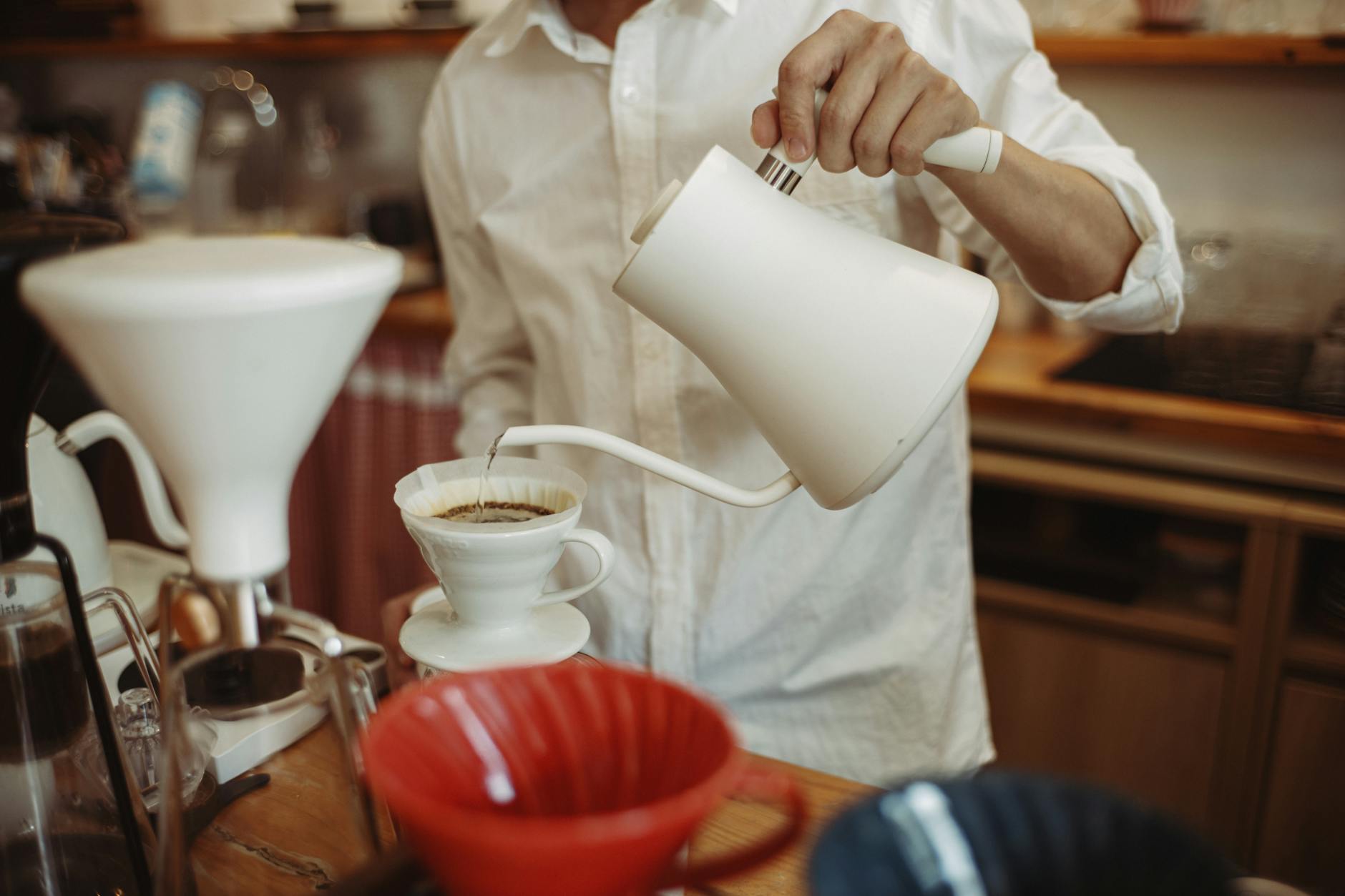
Cold brew is one of the most forgiving brewing methods in the coffee world. Unlike dialing in an espresso shot or nailing the bloom on a pour over coffee, cold brew asks very little of you technically. No precise water temperature to chase. No specific pouring technique. Just coffee, cold water, time, and a little patience. This guide walks you through everything — from choosing your beans to fixing a batch that came out wrong.
What Is Cold Brew, Really?
Cold brew is not iced coffee. This is the first thing to get straight. Iced coffee is hot-brewed coffee that gets poured over ice — it’s fast, it works, but it tends to turn bitter and watery as the ice melts. Cold brew, on the other hand, is made by steeping coarsely ground coffee in cold or room-temperature water for an extended period, usually 12 to 24 hours.
Because heat is never involved, cold brew has a fundamentally different flavor profile. The long, slow extraction pulls out the smooth, chocolatey, and naturally sweet compounds in coffee while leaving behind much of the harsh acidity and bitterness that comes from hot brewing. The result is a concentrate that’s rich, mellow, and incredibly versatile.
People who normally find coffee too acidic — or who deal with acid reflux — often discover they can enjoy cold brew with no issues at all. That’s not a coincidence. Studies suggest cold brew can have up to 67% less acidity than its hot-brewed counterparts.
What You’ll Need Before You Start
The Coffee
You don’t need anything exotic. A medium or dark roast works beautifully for cold brew — those roast levels bring out the chocolate, caramel, and nutty notes that taste incredible cold. Lighter roasts can work too and tend to highlight more fruity or floral qualities, but they’re a bit less forgiving if your steep time or ratio is off.
The most important thing is freshness. Coffee that’s been sitting in a bag for three months isn’t going to taste great no matter what method you use. Look for a roast date on the bag — ideally, you want coffee roasted within the past four to six weeks.
The Grinder
If there’s one piece of equipment worth investing in for any brewing method, it’s a good coffee grinder. A burr grinder — not a blade grinder — gives you a consistent, even grind, which matters for cold brew more than people think. Inconsistent grinds mean some particles over-extract while others under-extract, leading to a muddy, off-tasting brew.
For cold brew, you want a coarse grind — roughly the texture of raw sugar or coarse sea salt. Most coffee grinders have a numbered setting; for cold brew, you’d typically dial it toward the coarser end of the range. If you’re only going to use your coffee grinder for cold brew, you don’t need anything fancy. A mid-range burr grinder in the $40–$80 range does the job well.
The Vessel
You don’t need a dedicated cold brew maker, though they’re convenient. A large mason jar, a French press, a pitcher with a lid — any of these work. The French press is a particularly elegant option because it doubles as your steeping vessel and your filter in one step. More on that in a moment.
Water
Here’s the part where water temperature actually becomes relevant — not because you need to heat anything, but because you have a choice. You can steep at room temperature (around 68–72°F / 20–22°C) or in the fridge (around 38–40°F / 3–4°C).
Room-temperature steeping is faster, typically 12–15 hours. Fridge steeping takes longer, usually 18–24 hours, but gives you more control and is a safer option from a food safety standpoint, especially in warmer climates. Either way, filtered water makes a noticeable difference in the final taste — tap water with a strong chlorine smell will come through in the cup.
The Basic Cold Brew Ratio
The standard starting point is a 1:4 ratio — one part coffee to four parts water by weight. This produces a concentrate that you’d typically dilute 1:1 with water or milk when serving.
So if you want to make about 32 ounces of cold brew concentrate (which will yield roughly 64 ounces of finished cold brew after dilution), you’d use:
- 4 ounces (about 115 grams) of coarsely ground coffee
- 16 ounces (about 450 grams) of cold or room-temperature filtered water
If you prefer a less concentrated brew that you can drink straight without diluting, bump the ratio to 1:8 — one part coffee to eight parts water. This gives you a ready-to-drink cold brew with good flavor and less intensity.
Don’t stress too much about being exact when you’re starting out. Cold brew is forgiving. Taste your batch after steeping and adjust the ratio on your next attempt based on what you find.
Step-by-Step: How to Make Cold Brew at Home
Step 1 — Grind Your Coffee
Set your coffee grinder to coarse. Grind your coffee fresh, right before you begin the steep. Pre-ground coffee loses its volatile aromatics quickly, and those compounds are part of what makes cold brew taste complex and interesting rather than flat.
Step 2 — Combine Coffee and Water
Add your ground coffee to your vessel first, then pour the cold water slowly over the top. Give it a gentle stir to make sure all the grounds are saturated. You’ll notice some grounds floating — that’s normal. As long as they’re wet, they’re extracting.
Step 3 — Cover and Steep
Cover your vessel with a lid, plastic wrap, or a plate — anything to keep it sealed. Place it in the fridge for 18–24 hours, or leave it on the counter for 12–15 hours if you’re steeping at room temperature.
Resist the urge to over-steep. Going past 24 hours, especially at room temperature, can start to bring out astringent, over-extracted flavors. Set a timer and check it.
Step 4 — Filter Your Brew
This step varies depending on your vessel:
- French press: Simply press the plunger down slowly and pour. You may want to do a second pass through a paper filter or fine mesh strainer to catch any remaining fine particles.
- Mason jar or pitcher: Pour the mixture through a fine mesh strainer lined with a paper coffee filter or cheesecloth. This takes a few minutes but gives you a cleaner, clearer concentrate.
- Dedicated cold brew maker: Follow the manufacturer’s instructions — most have a built-in filter sleeve you just lift out.
Don’t rush the filtering by squeezing or pressing the grounds too hard. That introduces bitterness. Let gravity do the work.
Step 5 — Store and Serve
Transfer your filtered concentrate to a clean jar or bottle and store it in the fridge. Cold brew concentrate keeps well for up to two weeks when refrigerated properly. Ready-to-drink cold brew (made at the 1:8 ratio) is best consumed within one week.
To serve, pour over ice and dilute with water, milk, oat milk, or whatever you prefer. For a quick morning pick-me-up, a splash of concentrate over ice with a bit of whole milk is hard to beat.
Common Mistakes and How to Fix Them
It Tastes Weak or Watery
This usually means your ratio was off — too much water relative to coffee. Or your grind was too coarse, limiting extraction. Try increasing the amount of coffee in your next batch, or steeping for a few extra hours. If your grind is borderline medium-fine rather than coarse, you might be getting under-extraction from poor contact surface area.
It Tastes Bitter or Harsh
Over-extraction. This happens when you steep too long, grind too fine, or use water that’s slightly warm throughout the entire steep. Make sure your fridge is cold enough, use a coarser grind, and don’t go past 24 hours total.
It Tastes Muddy or Gritty
Your filter didn’t catch enough fine particles. Run it through a second filter — a paper pour over coffee filter laid inside a fine mesh strainer works well. This is also more likely to happen if your grind had a lot of powder-like fines, which points back to grinder quality.
It Lacks Depth or Smells Flat
This is almost always a coffee freshness issue. Old, stale coffee simply cannot produce a rich, aromatic cold brew. Buy fresh, check roast dates, and store your beans in an airtight container away from heat and light.
Cold Brew Variations Worth Trying
Vanilla Cold Brew
Add a split vanilla bean or a teaspoon of pure vanilla extract to your coffee and water mixture before steeping. The vanilla infuses gently over the long steep and adds a natural sweetness that plays beautifully with darker roasts.
Cinnamon and Cardamom Cold Brew
Add a cinnamon stick and three or four whole cardamom pods (lightly crushed) to your steeping vessel. This creates a warmly spiced concentrate reminiscent of Middle Eastern coffee traditions. Serve over ice with a splash of condensed milk.
Nitro-Style at Home
This one requires a whipped cream dispenser with N2O chargers. Pour finished cold brew into the canister, charge it with nitrogen, shake, and dispense over a glass. The texture becomes velvety and creamy without any milk — it’s the closest you’ll get to a cafe nitro experience at home.
Cold Brew Tonic
Equal parts cold brew concentrate and tonic water over ice with a squeeze of lemon. This sounds unusual and is genuinely excellent — the quinine in the tonic enhances the coffee’s natural bitterness in a really interesting, bright way.
Cold Brew vs. Other Brewing Methods: A Quick Comparison
It helps to understand where cold brew sits in
Compared to drip coffee, cold brew takes significantly longer but requires almost no equipment and almost no skill. Drip is faster and more forgiving of variable beans, but cold brew tends to extract a smoother, less acidic cup — particularly useful if your stomach is sensitive to regular coffee. Compared to espresso, cold brew lacks the crema and intensity, but it’s far more accessible and doesn’t require a machine that costs several hundred dollars. French press sits closest in philosophy — both are immersion methods, both are low-tech — but cold brew’s extended steep time and absence of heat produces a fundamentally different flavor profile: less body, less bitterness, more clarity.
Iced coffee, which is simply hot-brewed coffee cooled down and poured over ice, is the most common point of confusion. The difference is meaningful. Hot brewing extracts differently — faster and more aggressively — which means iced coffee tends to taste sharper and more acidic once chilled. Cold brew concentrate diluted over ice is consistently rounder and sweeter. Neither is objectively better, but they are genuinely different drinks, and once you’ve had both side by side, you’ll understand immediately which one you’re in the mood for on any given day.
Conclusion
Cold brew is one of the few brewing methods where patience does most of the work. You measure, combine, wait, and strain — that’s the whole process. The payoff is a concentrated, low-acid coffee that keeps well in the fridge for up to two weeks and works as the base for everything from a simple glass over ice to a nitro pour or a tonic cocktail. Start with a coarse grind, a 1:4 ratio, and twelve hours in the refrigerator. Adjust from there. After two or three batches you’ll know exactly what you like, and the process will take you about five minutes of active effort.