Best Budget Espresso Machines for UK Kitchens in 2025
Good espresso at home used to mean spending the best part of a grand on a machine that took up half your worktop and required a barista qualification to operate. That’s no longer the case. The budget end of the espresso market has improved dramatically over the past few years, and in 2025 there are genuinely excellent machines available for under £200 — some pushing proper café-quality results for under £150. Whether you’re in a compact London flat or a larger home in the north with more worktop space to spare, there’s something worth considering at every price point.
This guide covers the best budget espresso machines available in the UK right now, what to look for before you buy, and a few honest notes on what “budget” actually means when it comes to espresso. Spoiler: the machine is only part of the story.
What Counts as Budget in 2025?
For the purposes of this article, budget means under £250. That bracket includes entry-level machines from respected brands like De’Longhi, Sage, Breville, and Melitta, as well as some lesser-known options that punch well above their weight. Above £250, you start moving into semi-professional territory — machines with dual boilers, PID temperature control, and pre-infusion features that are genuinely brilliant but represent a different category of investment entirely.
Within the budget bracket, you’ll find two main types of machine: pump-driven espresso makers and manual or semi-manual lever machines. Pod machines like Nespresso are technically espresso-adjacent, but they don’t give you the same control or coffee quality as a proper ground-coffee machine, so they’re not covered here.
What to Look for Before You Buy
Pump Pressure
Espresso requires water pushed through finely ground coffee at around 9 bars of pressure. Most budget machines advertise 15 or 19 bars, which sounds impressive, but what matters is consistent, stable pressure at the group head — not the peak figure printed on the box. Don’t get too hung up on the numbers. Instead, look for reviews that specifically mention shot consistency and extraction quality.
Boiler Type and Heat-Up Time
Thermoblock systems heat water on demand and are common in budget machines. They heat up quickly — often in under 30 seconds — but can struggle to maintain perfectly stable temperatures across an extended brew session. Single boiler machines with a brass or stainless boiler take longer to heat up (typically 45 seconds to two minutes) but often produce more thermally stable shots. For home use, where you’re pulling one or two shots at a time, a good thermoblock is perfectly adequate.
Steam Wand Quality
If flat whites and lattes are your goal, pay close attention to the steam wand. Many budget machines include a panarello or Pannarello-style wand — a plastic sleeve over the steam tip that auto-froths milk by drawing in air. These are simple to use but produce a coarser foam that’s more airy bubble than silky microfoam. A bare single-hole or two-hole steam tip gives you more manual control and, with practice, results closer to what you’d get in a café.
Portafilter Size
A 58mm portafilter is the industry standard. Many budget machines use 51mm or 54mm baskets. Smaller portafilters aren’t a dealbreaker, but the aftermarket for accessories — tampers, baskets, distributor tools — is much larger for 58mm, and you’ll have more room to experiment as your technique improves.
Build Quality and Longevity
Budget machines are often built with more plastic than their premium counterparts. That’s fine for the casing, but check whether the portafilter, group head, and steam wand are metal. Plastic components in high-heat areas tend to degrade faster and can affect flavour over time.
The Best Budget Espresso Machines Available in the UK
De’Longhi Stilosa EC230 — Around £80–£100
The Stilosa is the starting point for anyone serious about home espresso on a tight budget. It’s a 15-bar pump machine with a manual steam wand, a 1-litre water tank, and a compact footprint that suits smaller kitchens. The build quality is decent for the price — the portafilter is plastic-handled but functional, and the machine heats up in roughly 40 seconds.
Results straight out of the box are better than you might expect, particularly once you dial in your grind size and dose. The Stilosa works best with a pre-ground espresso blend rather than whole beans ground on the fly — if you’re using a budget grinder, you’ll need to experiment. It’s widely available from Argos, John Lewis, and Amazon UK, and frequently drops below £80 during sale periods.
- Best for: First-time espresso drinkers, students, small households
- Limitations: Plastic portafilter, panarello-style wand not ideal for latte art
- Approximate price: £80–£100
De’Longhi Dedica Style EC685 — Around £130–£160
The Dedica has been a staple recommendation in UK coffee circles for years, and it remains one of the best-value espresso machines you can buy in 2025. It’s slim — just 15cm wide — which makes it ideal for narrow worktops, and the stainless steel finish looks far more expensive than it is.
The thermoblock heats up in around 35 seconds, and the machine accepts ESE pods as well as ground coffee, giving you flexibility. The steam wand comes with a removable panarello attachment; take it off and you have a manual wand that, with a bit of practice, can produce genuinely good microfoam for flat whites. The 54mm portafilter is a slight limitation for aftermarket accessories, but De’Longhi’s own range covers most bases.
One important note: the Dedica is quite sensitive to grind size and tamping pressure. Pair it with a decent burr grinder — even something like the Rhinowares Hand Grinder at around £35 — and you’ll notice a significant improvement in shot quality over using pre-ground coffee.
- Best for: Anyone who wants a slim machine with genuine steaming capability
- Limitations: 54mm portafilter, requires some technique to get the most from the steam wand
- Approximate price: £130–£160
Melitta Caffeo Solo E950 — Around £150–£180
Melitta is less flashy than De’Longhi or Sage in UK marketing terms, but the Caffeo Solo is a genuinely impressive machine for the price. It’s a bean-to-cup espresso machine with a built-in conical burr grinder — meaning you grind fresh beans directly into the brewing unit with every shot. At this price point, that’s remarkable value.
The grinder has five settings, which is enough for most home use, and the machine produces a decent crema with a good-quality medium-dark espresso roast. It doesn’t have a steam wand, so it’s primarily a straight espresso and lungo machine. If black coffee drinks are your priority — espresso, ristretto, lungo — and you want fresh-ground convenience without a separate grinder, the Caffeo Solo is hard to beat under £200.
- Best for: Espresso and lungo drinkers who want fresh-ground convenience
- Limitations: No steam wand, limited milk-based drink capability
- Approximate price: £150–£180
Sage Bambino — Around £200–£250
At the top end of the budget bracket sits the Sage Bambino, and it earns its place here comfortably. Sage (known as Breville outside the UK) makes machines that are genuinely beloved by home baristas, and the Bambino is their most accessible model.
It uses a thermojet heating system that reaches brewing temperature in three seconds — faster than anything else in this category. The 54mm portafilter produces consistent, well-extracted shots, and the steam wand is a proper manual affair with four-hole tip that makes producing café-quality microfoam genuinely achievable, even for beginners. Sage includes a magnetic tamper and dosing funnel in the box, which are nice touches.
The Bambino is available from John Lewis, Sage’s own website, Currys, and various kitchen specialists. It regularly appears in Black Friday deals and can drop to around £180 during promotions. If your budget can stretch to £200, this is likely the best single purchase you can make in the entire budget espresso category.
- Best for: Anyone serious about espresso and milk drinks who wants professional-level results at home
- Limitations: Higher price point within budget category, 54mm portafilter
- Approximate price: £200–£250
Wacaco Nanopresso — Around £60–£75
Not a traditional countertop machine, but worth including for its sheer ingenuity. The Nanopresso is a portable, hand-powered espresso maker that uses manual pumping action to generate up to 18 bars of pressure — enough for a genuine, crema-topped espresso shot. It’s small enough to fit in a bag, requires no electricity, and produces results that would embarrass many plug-in machines costing three times the price.
It’s particularly popular with people who travel frequently for work, commuters who want proper coffee in the office, and those in rented accommodation without the worktop space for a full machine. Compatible with NSPresso capsules via an optional adaptor (sold separately), or use your own finely ground coffee with the standard basket. Available from Amazon UK and various outdoor/travel retailers.
- Best for: Travel, offices, small spaces, camping
- Limitations: Manual effort required, no steam capability, small shot volume
- Approximate price: £60–£75
The Grinder Question
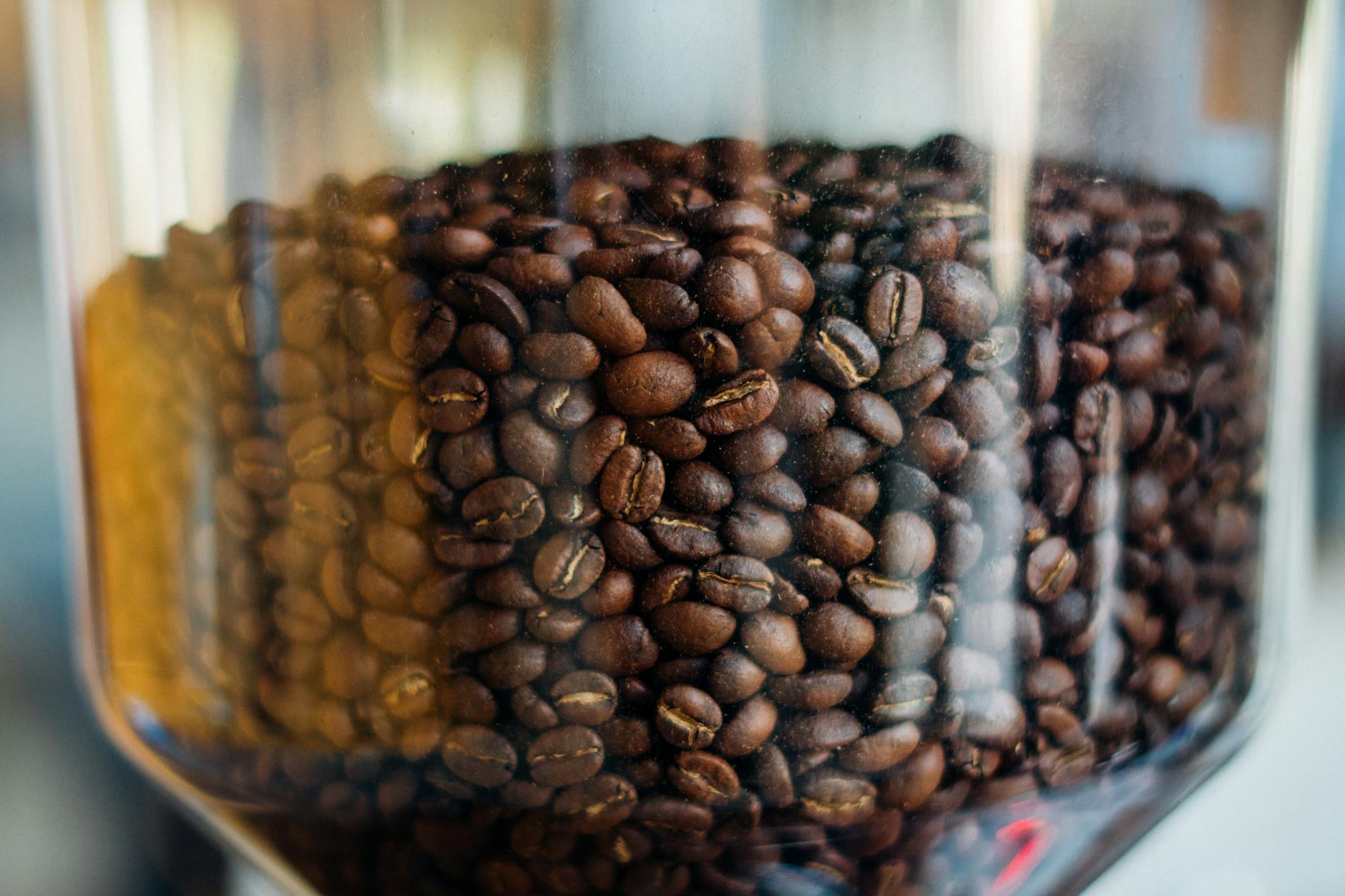
No article about home espresso is complete without addressing the grinder, because it matters more than most people realise. Espresso extraction is extremely sensitive to grind particle size. Too coarse and the shot runs fast and tastes thin and sour. Too fine and it chokes the machine, producing a slow, bitter, over-extracted result.
Pre-ground espresso coffee from a supermarket is ground to a middle-ground setting that works adequately but rarely brilliantly. For noticeably better results, you want to grind fresh, just before brewing.
Budget burr grinders worth considering in the UK include:
- Rhinowares
Mini Hand Grinder – inexpensive, portable and capable of a surprisingly consistent grind for the money. It is slower than an electric grinder, but for one or two coffees a day it can be an excellent entry point. - Hario Mini Slim Plus – another manual option that is widely available in the UK. It is compact, easy to store and well suited to those with very limited kitchen space.
- De’Longhi KG79 – one of the most commonly recommended budget electric burr grinders. It is not a specialist espresso grinder, but with a little adjustment it can work reasonably well for pressurised basket machines.
- Sage Dose Control Pro – a step up in price, but often worth stretching to if you want more control and better long-term performance.
If your chosen espresso machine uses pressurised baskets, you have more flexibility. These baskets are designed to create crema artificially and are more forgiving of inconsistent grind size. That is one reason they appear so often on affordable machines. If, however, you want to move towards a more traditional barista-style setup with non-pressurised baskets, grinder quality becomes much more important.
Final buying advice
For most UK buyers shopping on a budget in 2025, the best approach is to think in terms of value rather than the lowest possible price. A machine that costs a little more but offers stable temperature, a proper steam wand and readily available spare parts will usually be the better purchase over time.
If you want the easiest route to acceptable espresso and milk drinks, a compact bean-to-cup machine may suit you best. If you care more about learning, tweaking and gradually improving your coffee, a manual espresso machine paired with a decent burr grinder is the smarter choice. And if you are working with a very tight budget, it is often better to buy a simple, dependable machine and spend the rest on fresh beans and a grinder, rather than stretching for features that sound impressive but add little in daily use.
Ultimately, the best budget espresso machine for a UK kitchen in 2025 is the one that fits your space, your routine and your expectations. Buy with a clear idea of how hands-on you want the process to be, avoid bargain-bin machines with poor temperature control, and prioritise consistency over gimmicks. Do that, and even on a modest budget, you can make genuinely enjoyable espresso at home.