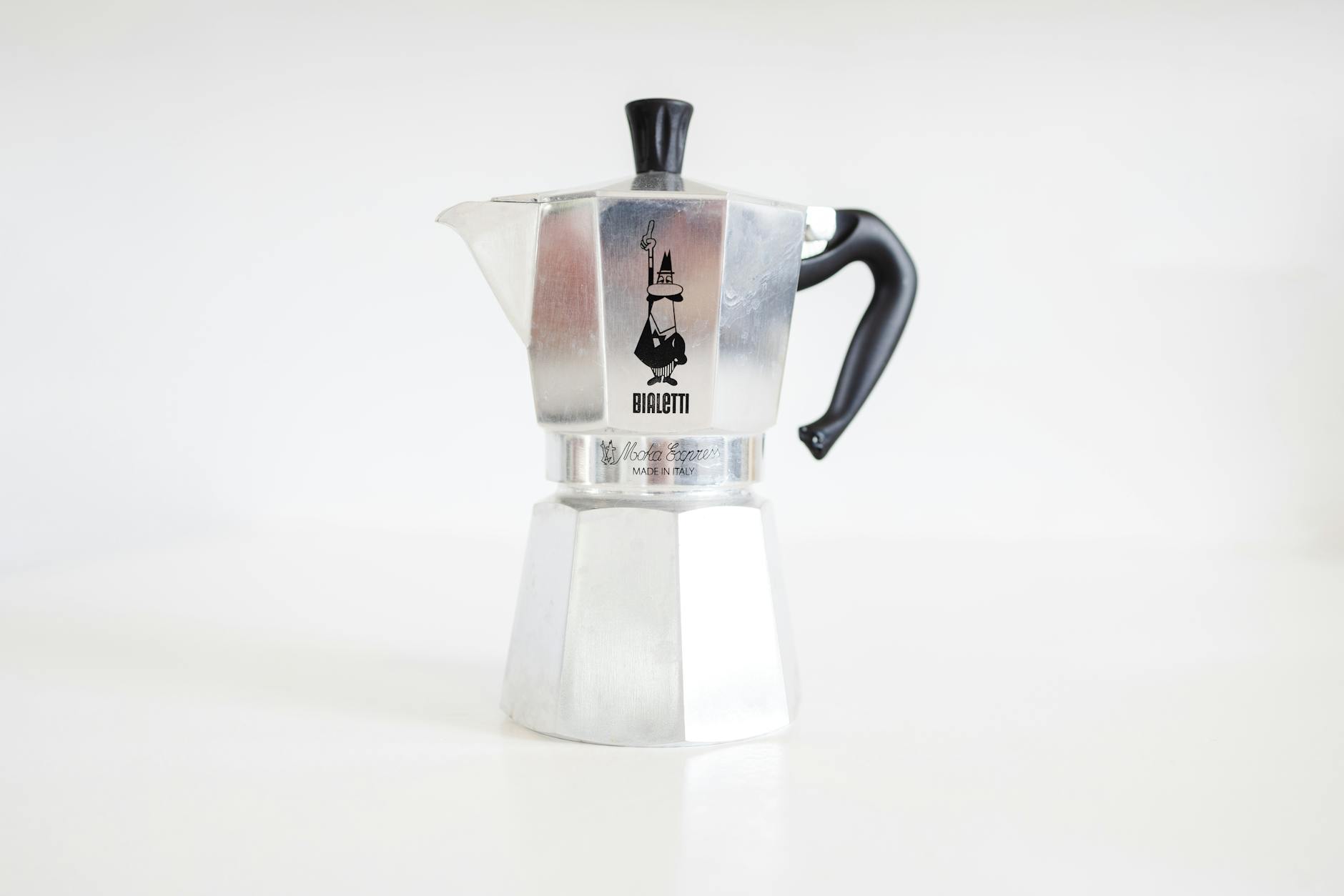
Moka Pot Brewing Guide: Stovetop Espresso Done Right
The moka pot is one of those rare kitchen objects that manages to be both beautifully simple and quietly misunderstood. Invented in Italy in 1933 by Alfonso Bialetti, it has spent decades sitting on British kitchen shelves — sometimes used brilliantly, more often producing a bitter, scalded brew that puts people off stovetop coffee for good. That is a shame, because when you get it right, a moka pot produces a rich, concentrated, intensely flavoured cup that sits somewhere between a strong filter coffee and a proper espresso. It is not quite either, but in its own way, it is something worth mastering.
This guide will take you through everything you need to know: choosing the right pot, sourcing good coffee in the UK, dialling in your technique, and avoiding the most common mistakes. Whether you have just picked up your first Bialetti from a John Lewis homeware sale or you have been brewing stovetop for years and suspect something is going wrong, there is something here for you.
Understanding What a Moka Pot Actually Does
Before getting into technique, it helps to understand the mechanism. A moka pot has three chambers. The bottom chamber holds water. A filter basket sits above it, packed with ground coffee. The top chamber collects the brewed coffee. When the pot heats up, pressure builds in the lower chamber, forcing hot water upward through the coffee grounds and into the top. The whole process takes around four to six minutes depending on your hob, the size of your pot, and how much water you have used.
This is not espresso in the technical sense. A commercial espresso machine pushes water through coffee at around nine bars of pressure. A moka pot generates somewhere between one and three bars. What you get is a concentrated, full-bodied brew with a heavier mouthfeel than filter coffee but without the true crema of a proper espresso pull. Some people call it stovetop espresso, which is a useful shorthand even if it is not strictly accurate. Think of it as a category of its own.
Understanding this distinction matters because it changes how you use the coffee. Moka pot coffee works brilliantly on its own in a small cup, with a splash of hot water as an Americano-style drink, or with steamed milk as a kind of rustic flat white. What it does not do well is replicate the thick, syrupy texture of a machine-pulled espresso shot for latte art or classic Italian espresso service.
Choosing Your Moka Pot
Size
Moka pots are sold by cup size, but do not be fooled — these are espresso-sized cups, not mugs. A three-cup moka pot produces roughly 150ml of brewed coffee. A six-cup produces around 300ml. If you are brewing for one person who wants a decent-sized drink, a three-cup is usually sufficient. For two people, go for a six-cup.
One important rule: always brew a full pot. The pressure dynamics work correctly only when the basket is filled properly and the water chamber is at the correct level. Brewing a half-filled pot leads to poor extraction and often a burnt, metallic flavour.
Material and Build
The classic Bialetti Moka Express remains the benchmark. Made from aluminium with a plastic handle, it costs around £25 to £35 depending on the size, and you can find it in most UK department stores, kitchen shops, and online. It works on gas and electric hobs but not induction.
If you have an induction hob — increasingly common in UK kitchens following the push toward electric cooking — you will need either a stainless steel moka pot or a small induction disc placed under an aluminium pot. The Bialetti Moka Induction (roughly £35 to £50) is a well-made stainless option designed specifically for this. Alternatively, brands like Pedrini and De’Longhi make solid induction-compatible stovetop pots at similar price points.
Stainless steel pots are generally more durable and easier to clean. Aluminium pots, particularly once seasoned through regular use, can produce a slightly fuller flavour — though this is subtle and largely subjective. Either will serve you well.
The Coffee: Grind, Origin, and Roast
Getting the Grind Right
Grind size is the single most important variable in moka pot brewing. Too fine, and you risk over-extraction — a bitter, harsh cup — and you increase the risk of the safety valve blowing under excess pressure. Too coarse, and the coffee will taste thin and sour, under-extracted and watery.
You are aiming for a grind that sits between espresso and filter. Think of it as slightly coarser than espresso: it should resemble fine table salt rather than powder. If you are grinding at home, this is usually two or three clicks coarser than your espresso setting on a burr grinder.
If you are buying pre-ground coffee, look for bags labelled specifically for moka pot or stovetop brewing. Many UK roasters now include this on their packaging. Avoid generic supermarket espresso blends, which are often ground too fine and produce harsh results.
Choosing Your Coffee
The UK specialty coffee scene has grown considerably over the past decade, and sourcing excellent coffee for your moka pot has never been easier. A few reliable starting points:
- Pact Coffee — a London-based subscription roaster offering freshly roasted beans delivered to your door, typically priced around £8 to £12 per 250g bag. Their medium roasts work particularly well in a moka pot.
- Has Bean Coffee — based in Stafford, one of the UK’s most respected independent roasters. Their single origin offerings let you experiment with flavour profiles. A 250g bag runs from around £9 to £14.
- Monsoon Malabar from any good independent roaster — an Indian coffee with a distinctive earthy, low-acid flavour that has long been popular in stovetop brewing. Worth seeking out if you find high-acidity coffees too sharp.
- Supermarket options — Lavazza Qualità Rossa and illy Classico are widely available in Waitrose, Tesco, and Sainsbury’s at around £5 to £8 per 250g, and both produce a decent moka pot brew. They are not specialty grade, but they are reliable.
Roast Level
Medium to medium-dark roasts generally perform best in a moka pot. Light roasts, which are common in specialty coffee shops, can taste overly sour and thin in this brewing method because the higher-acidity, complex flavours they carry do not extract optimally at the pressures involved. A medium roast gives you sweetness, body, and enough complexity without tipping into the charred bitterness of a very dark espresso blend.
That said, rules exist to be broken. If you prefer light roast coffees and want to experiment, try brewing slightly finer and using pre-heated water (more on this below) to improve extraction.
The Brewing Process, Step by Step
Step 1: Start with Hot Water
This is the tip that makes the biggest difference and is most frequently overlooked. Rather than filling the bottom chamber with cold water from the tap, use water that is already hot — either from a recently boiled kettle allowed to cool for a minute, or just off the boil. This shortens the time the coffee spends in contact with the heating element before brewing begins, reducing the risk of scorching the grounds and producing that metallic, bitter taste that gives moka pots a bad reputation.
Fill the bottom chamber up to just below the safety valve. Do not cover the valve. In the UK, tap water quality varies considerably by region. If you live in a hard water area — much of London and the South East — filtered water will make a noticeable difference to taste and will also protect your pot from limescale build-up over time. A Brita jug or an integrated kitchen filter both work well.
Step 2: Fill the Basket Without Tamping
Spoon your ground coffee into the filter basket and fill it to the top. Level it off with your finger or a flat edge. Do not tamp it down. This is a crucial difference from espresso preparation. Tamping creates too much resistance for the low pressure a moka pot generates, resulting in uneven extraction or, worse, a blocked pot and pressure issues.
The coffee should sit loosely and evenly, just to the rim of the basket. Wipe away any stray grounds from the rim and the surrounding edge, as grounds sitting on the rubber gasket can cause sealing problems over time.
Step 3: Assemble and Apply Heat
Screw the top chamber onto the base. Use a cloth to hold the base if you have filled it with hot water — it will be warm to the touch. Place the pot on the hob over a medium-low heat. On a gas hob, make sure the flame is contained beneath the base of the pot and not licking up the sides, which can damage the handle.
Leave the lid open so you can watch what is happening. This is not strictly necessary, but it is a good habit while you are learning. You will be able to see the coffee beginning to emerge into the upper chamber and gauge the pace of extraction.
Step 4: Watch and Listen
After two to four minutes, you should start to see coffee appearing in the upper chamber. It will come out dark and concentrated at first. This is correct. As brewing continues, the colour will lighten slightly. The moment you begin to hear a hissing, sputtering sound — sometimes described as a gurgling — the extraction is nearly complete.
At this point, remove the pot from the heat immediately. Some brewers run cold water over the base of the pot to halt the process quickly, though if you have used medium-low heat throughout, simply removing it from the hob is usually sufficient. The residual heat in the lower chamber will push the last of the water through without scorching.
Do not let the pot sit on the heat until it spits and spatters loudly. This over-extracts the coffee and burns the final fraction of water through the grounds at too high a temperature. The goal is to catch it just as that gurgling begins.
Step 5: Stir and Serve
Before pouring, give the coffee in the upper chamber a quick
stir with a small spoon. The first coffee to emerge is often stronger and heavier, while the last portion is lighter. Stirring evens out the concentration so each cup tastes balanced.
Pour immediately into pre-warmed cups. Moka pot coffee is intense, rich and full-bodied, somewhere between espresso and filter coffee in strength and texture. You can drink it neat, dilute it slightly with hot water for a longer cup, or add steamed milk for a homemade flat white-style drink. It also works particularly well over ice.
Troubleshooting Common Moka Pot Problems
Bitter coffee: Usually caused by too fine a grind, too much heat, or leaving the pot on the stove too long. Try a slightly coarser grind and lower the heat.
Weak coffee: This can come from coffee that is too coarse, stale beans, or underfilling the basket. Use freshly roasted coffee and fill the basket properly.
Coffee spurting violently: The heat is likely too high, or the coffee bed may be packed too tightly. Reduce the flame and avoid tamping.
No coffee coming through: Check that the pot is assembled tightly, the filter plate is clean, and the grind is not excessively fine. Also make sure the safety valve is unobstructed.
Cleaning and Care
Rinse your moka pot with warm water after each use and dry it thoroughly before reassembling. Avoid detergent unless absolutely necessary, especially with aluminium models, as it can affect the surface and leave unwanted flavours. Never put a traditional moka pot in the dishwasher unless the manufacturer specifically says it is safe.
Regularly inspect the rubber gasket and filter plate. If the seal becomes brittle or the pot begins leaking steam from the sides, replace the gasket. A well-maintained moka pot can last for many years and produce consistently excellent coffee.
Final Thoughts
The moka pot rewards attention more than precision. You do not need specialist equipment or café-level technique, just fresh coffee, sensible heat and a willingness to stop the brew at the right moment. Once you learn its rhythm, it becomes one of the simplest and most satisfying ways to make strong, flavourful coffee at home. Treat it gently, keep it clean, and your stovetop espresso will be done right every time.