7 Common Espresso Mistakes UK Home Baristas Make (And How to Fix Them)
Home espresso has never been more popular in the UK. With the third-wave coffee movement firmly embedded in cities like London, Manchester, Edinburgh, and Bristol, more people than ever are investing serious money in home setups — Sage machines, Fellow grinders, La Pavoni levers — and then wondering why their espresso tastes nothing like the flat white they had at their local speciality café.
The gap between owning good equipment and producing good espresso is wider than most people expect. The machine sitting on your worktop is only as capable as the person operating it, and most home baristas — even enthusiastic ones — are quietly making the same handful of mistakes. The good news is that every single one of them is fixable, often without spending another penny.
Here are the seven most common espresso mistakes UK home baristas make, and exactly what to do about each one.
1. Using Supermarket Beans That Are Too Fresh — Or Too Old
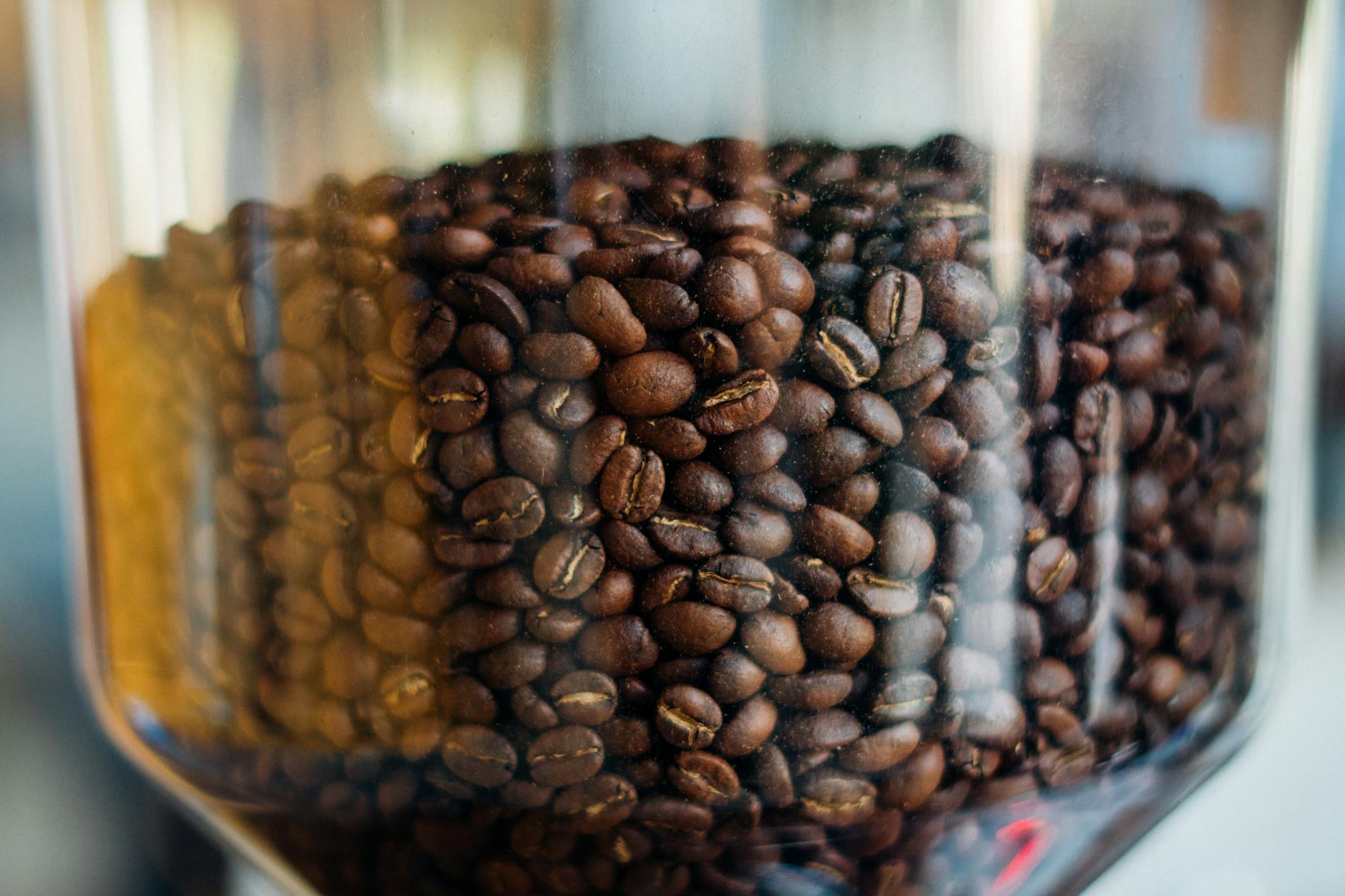
This one catches people at both ends of the spectrum. Walk into any Waitrose or Tesco and you will find bags of coffee labelled “espresso blend” with a best-before date that tells you very little about when the beans were actually roasted. Freshness in coffee is measured from the roast date, not the best-before date — and most supermarket coffee is already weeks or months old by the time it reaches the shelf.
On the other hand, some home baristas buy directly from speciality roasters — Union, Square Mile, Hasbean, Pact — and immediately use beans that arrived that morning. Here is the problem: coffee that is too fresh, typically within four to seven days of roasting, contains excess CO₂ that causes uneven extraction, sour shots, and a phenomenon called channelling where water finds the path of least resistance through your puck rather than flowing evenly.
The Fix
- Buy from a speciality roaster that prints the roast date clearly on the bag. Union Hand-Roasted, Dark Arts, and Hasbean all do this.
- Rest your beans. For espresso, most roasters recommend resting for at least 7–14 days post-roast. Some darker roasts can handle use from day 5; lighter roasts often benefit from resting 10–21 days.
- Store beans in an airtight container away from direct sunlight. The OXO Pop containers available from most UK kitchen shops work perfectly. Do not store beans in the fridge — the temperature fluctuation and moisture cause more harm than good.
- Aim to use a bag within two to three weeks of opening it.
2. Ignoring Water Quality
The UK has some of the hardest water in Europe, particularly in London, the South East, and the Midlands. If you live in these areas and you are pulling shots with straight tap water, you are fighting a losing battle — and potentially damaging your machine at the same time.
Hard water, high in calcium and magnesium carbonates, causes limescale to build up rapidly inside your boiler and group head. It also affects extraction: the mineral content of your water directly influences which flavour compounds are pulled from the coffee. Too hard and your espresso tastes flat and chalky. Too soft — common in parts of Scotland and Wales — and it can taste hollow or sharp.
The Fix
- Use filtered water. A Brita jug filter is a reasonable starting point. The Brita Maxtra+ filter costs roughly £5–£6 per cartridge and reduces limescale significantly.
- For better results, invest in a water filter specifically designed for espresso machines. The BWT Penguin filter (around £35–£50 for the unit) is popular in UK home barista circles and adds a measured amount of magnesium, which is known to enhance espresso sweetness and clarity.
- If you want to go further, Third Wave Water minerals (around £15 for a starter pack) dissolved in distilled water gives you a precisely calibrated brewing water. This is the gold standard for dialling in a new coffee.
- Check your local water hardness at your utility provider’s website. Thames Water and Anglian Water both publish hardness maps. This tells you how aggressively you need to act.
3. Grinding With an Inadequate Grinder
There is a widely repeated rule in the home espresso community, and it is true: your grinder matters more than your machine. A £600 grinder paired with a £200 espresso machine will produce better results than the reverse. This is a difficult pill to swallow when you have just spent £500 on a Sage Barista Express and assumed the built-in grinder was sufficient.
Built-in grinders are convenient, but they are a compromise. Blade grinders — still sold in UK supermarkets for under £20 — produce inconsistent particle sizes that make balanced extraction essentially impossible. Even entry-level burr grinders can struggle with espresso’s need for fine, consistent, repeatable grinding.
The other issue is grind retention: many cheaper grinders hold stale grounds inside the grinding chamber, meaning the first grams out of the chute are yesterday’s coffee. This ruins consistency shot to shot.
The Fix
- If you are serious about espresso, budget at least £150–£200 for a standalone grinder. The Baratza Sette 270 (around £350), the Niche Zero (around £500), and the DF64 (around £200–£250 from UK importers) are all popular choices in the UK home espresso community.
- If budget is a constraint, the Timemore Sculptor 064 or the 1Zpresso J-Max are quality hand grinders capable of espresso-level grinding for around £100–£180 each. Hand grinding takes two to three minutes per shot but produces excellent results.
- Purge your grinder. If you are using a grinder with meaningful retention, run a few grams through before your actual dose to flush out stale grounds.
- Grind directly before you brew. Ground coffee goes stale within minutes at espresso fineness due to its vastly increased surface area.
4. Getting the Dose and Yield Wrong
Walk into any speciality café in the UK and you will see the barista weighing both their dry coffee dose and their finished liquid espresso. This is not pretension — it is the most reliable way to produce consistent, repeatable espresso. Yet at home, most people simply fill the portafilter basket by eye and guess when to stop the shot.
Espresso is defined by its ratio of dry coffee to liquid yield. Most modern espresso is brewed at ratios between 1:1.5 and 1:2.5 depending on the style. A 1:2 ratio means 18 grams of ground coffee produces 36 grams of liquid espresso. A 1:3 ratio — sometimes called a lungo or used for lighter, fruitier coffees — produces 54 grams of liquid from 18 grams of grounds. Each ratio produces a dramatically different result in the cup.
Pouring by time alone is unreliable because flow rate changes as your puck ages during a shot, as grind size drifts with temperature, and as your basket wears over time.
The Fix
- Buy a small set of scales. The Hario V60 Drip Scale costs around £35 and fits under most portafilters. The Acaia Lunar (around £175) is the professional standard but far from essential.
- Start with a 1:2 ratio: 18g in, 36g out. Adjust from there based on taste. Sour? Try a higher yield or finer grind. Bitter? Try a lower yield or coarser grind.
- Weigh your dose every time until muscle memory takes over. Basket volume is not a reliable indicator of how much coffee you are using.
- Check that your basket size matches your intended dose. A 58mm double basket rated for 18g will behave very differently if you pack 14g into it — you will get a thin, under-extracted puck and a very fast, sour shot.
5. Tamping Incorrectly — Or Obsessing Over It
Tamping generates more anxiety in home espresso communities than almost any other variable, and most of that anxiety is misplaced. Home baristas either tamp unevenly — pressing at an angle, creating a sloped puck surface — or they obsess over applying precisely 30 pounds of pressure based on advice they read somewhere in 2009 that has since been largely debunked.
The truth is that tamp pressure matters far less than tamp levelness. A lopsided tamp creates channels through the puck where water flows preferentially, extracting some grounds far too quickly while leaving others almost untouched. The result is a shot that is simultaneously over-extracted and under-extracted — harsh, sour, and muddy at the same time.
The Fix
- Use a calibrated tamper with a spring mechanism. The Barista Hustle Pushbox (around £35), the Normcore V4 (around £45), and the Sage Precision Tamper (around £50) all click at a set pressure and ensure you apply the same force every time. This removes pressure as a variable entirely.
- Focus on level distribution before you tamp. Use the Weiss Distribution Technique (WDT) — a simple tool with thin needles (or even a straightened paper clip) stirred through the grounds in the basket to break up clumps before tamping. This dramatically reduces channelling.
- After tamping, check the puck surface visually. It should be
level and smooth, with no cracks or uneven spots. If you see imperfections, redistribute and tamp again.
7. Not Keeping Your Machine Clean
This is the mistake that sneaks up on you. Coffee oils build up in the group head, portafilter, and shower screen, turning rancid and tainting every shot you pull. That bitter, sour edge you can’t quite explain? It’s often old coffee residue, not your technique.
UK water, particularly in hard water areas, also leaves limescale deposits that restrict flow and damage heating elements. A £1,000 machine can produce terrible espresso if it’s not maintained properly.
The Fix:
- Backflush with a cleaning detergent like Puly Caff or Cafetto at least once a week. This forces cleaning solution through the group head to dissolve oils. Most machines come with a blind basket for this purpose.
- Remove and soak your shower screen and dispersion plate monthly. These parts trap the most residue and are often overlooked.
- Descale your machine every 2-3 months, or more frequently if you have hard water. Use a proper descaling solution, not vinegar, which can damage seals and leave lingering odours.
- Wipe down the group head gasket and portafilter basket after every session. This simple habit prevents buildup before it starts.
Final Thoughts
The beauty of home espresso is that small adjustments yield dramatic improvements. You don’t need to fix everything at once — pick one mistake from this list, address it properly, and taste the difference. Most UK home baristas find that dialling in their grinder and improving their distribution technique alone transforms their espresso from drinkable to genuinely excellent.
Remember, even professional baristas spend years refining their craft. Give yourself permission to experiment, make mistakes, and learn. Your perfect espresso is just a few adjustments away.